Pear Leaf
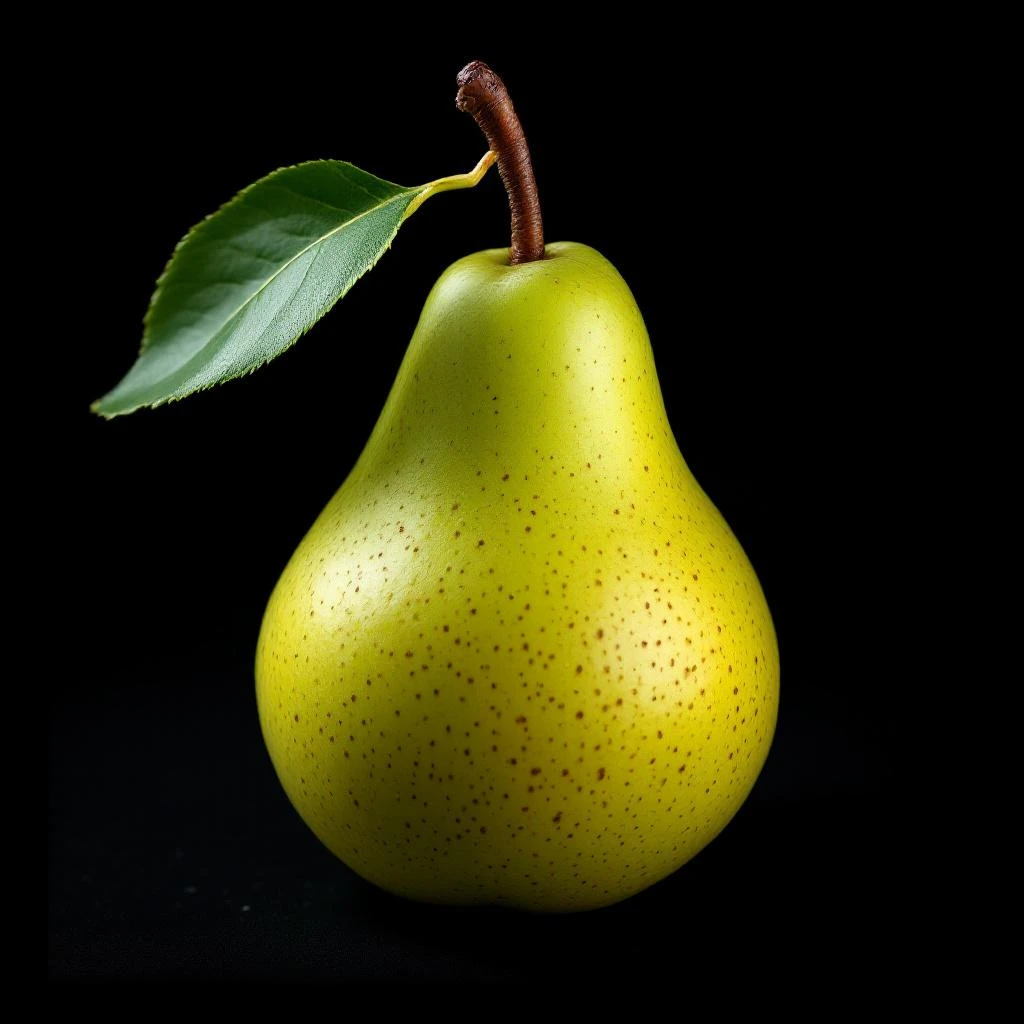
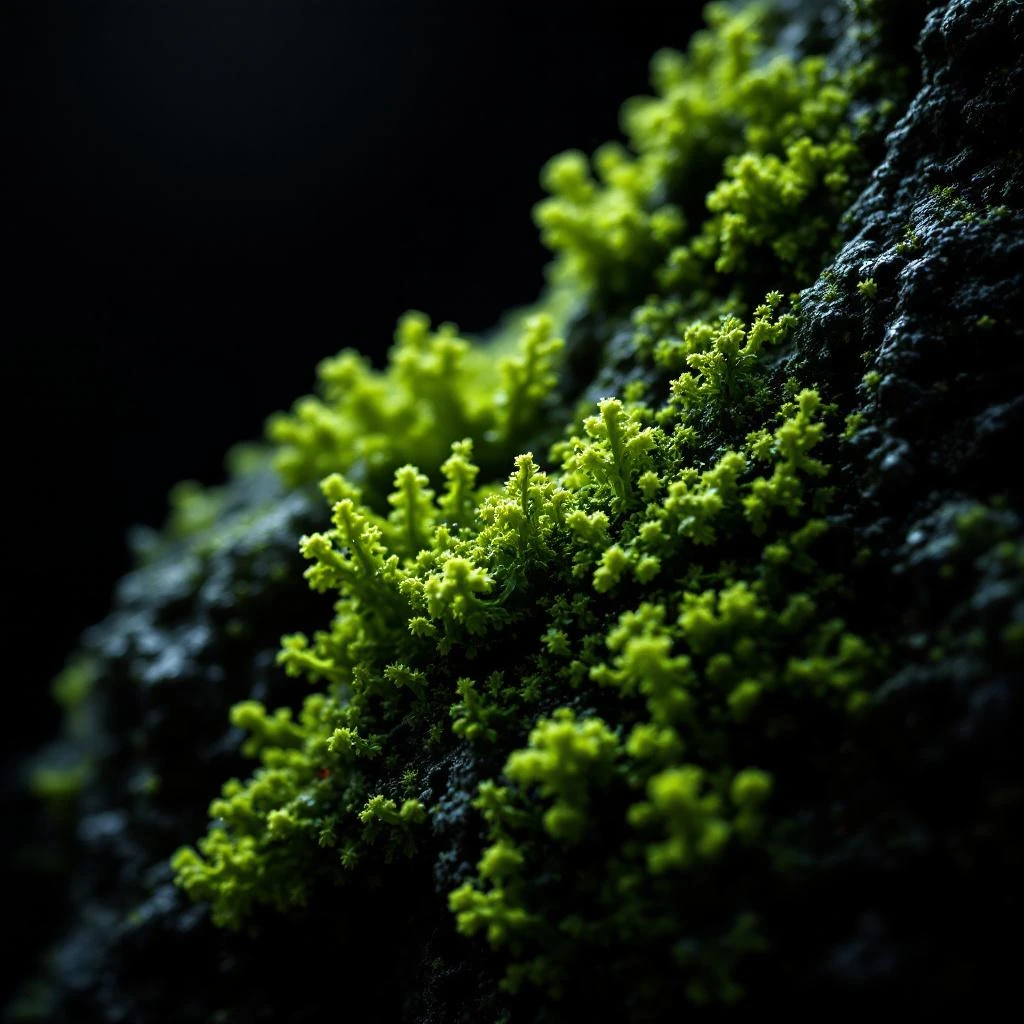
Pear Leaf captures the fresh, verdant scent of orchard foliage. This green, slightly floral note brings an aromatic crispness to fragrance compositions, evoking the quiet energy of leaves stirred by a morning breeze.
Character
How it smells
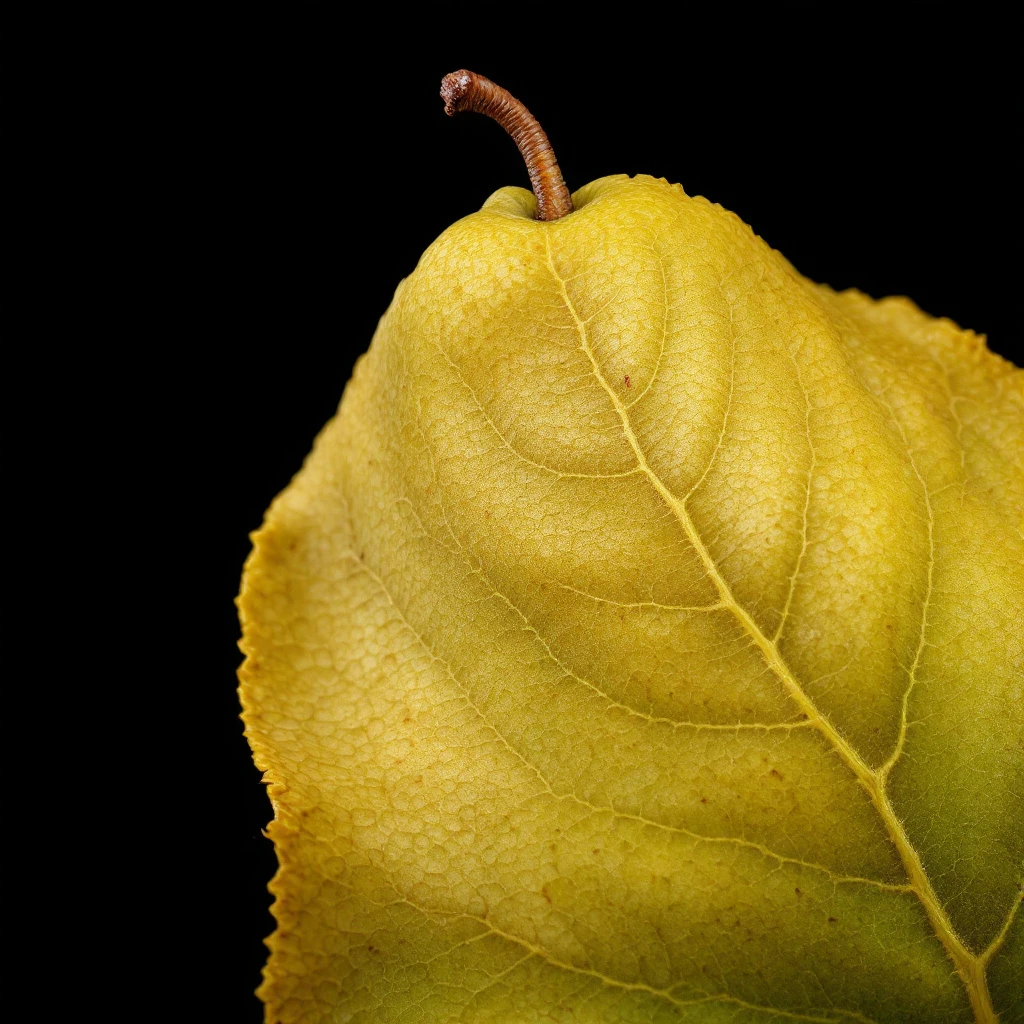
Green, crisp, and quietly aromatic.
Pear trees can live over 100 years, and their leaves have been used in traditional medicine across Europe and Asia for centuries.






Origin
China
Pear trees (Pyrus communis) trace their cultivated origins to Western China, spreading along ancient trade routes through Central Asia to Persia and eventually across the Mediterranean. While perfumers have worked with pear fruit and blossoms for centuries, using the leaf material represents a more recent evolution in naturalistic perfumery.
Traditional folk practices across Europe and East Asia valued pear leaves in ceremonial and medicinal applications, recognizing their aromatic properties beyond mere botanical aesthetics. Modern perfumers began systematically exploring leaf-derived materials in the late twentieth century as the fragrance industry sought to expand its palette of green, natural-smelling ingredients.
Wears it best
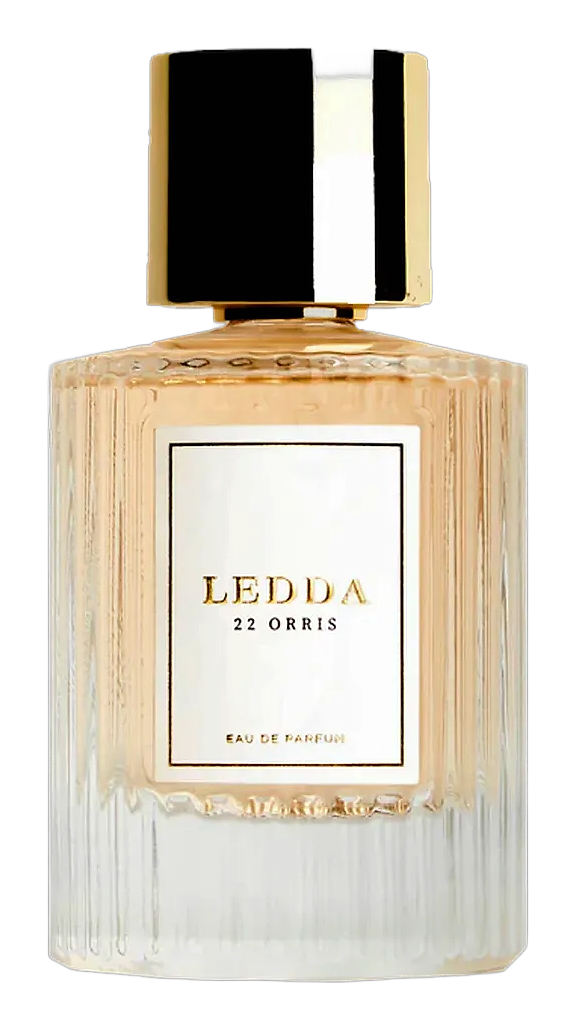
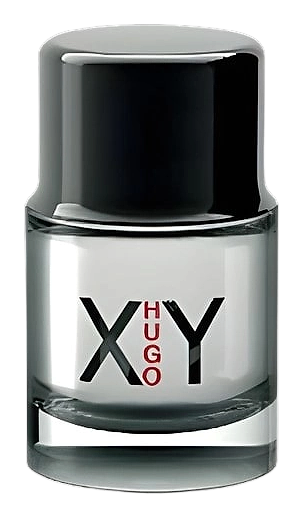
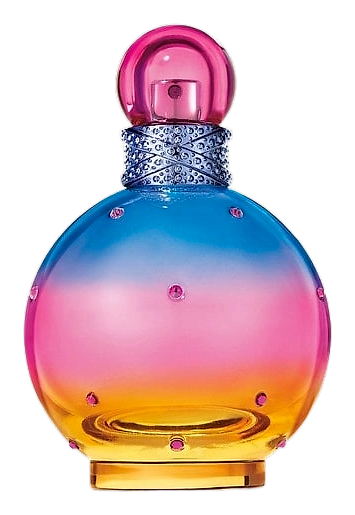
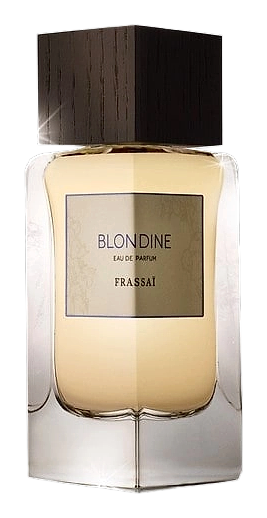
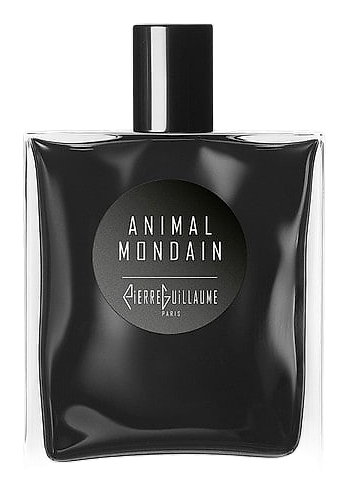
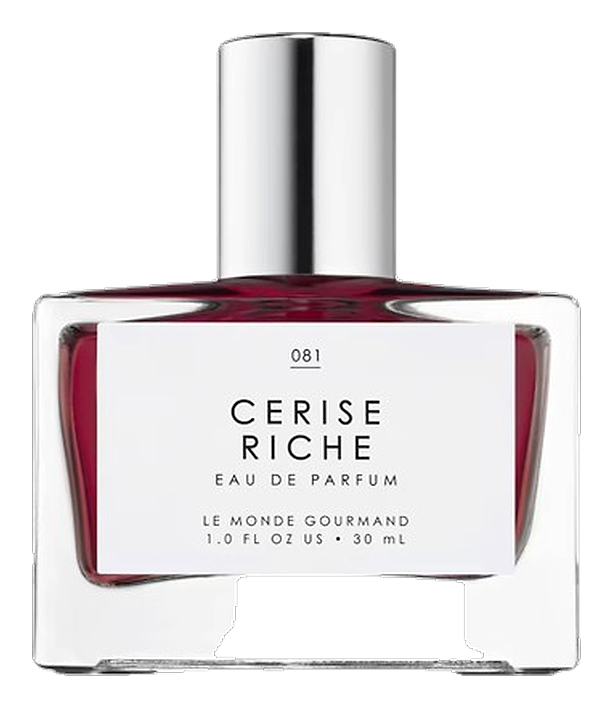
Fragrances featuring Pear Leaf
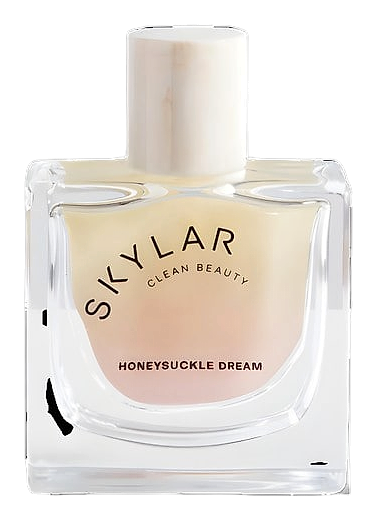
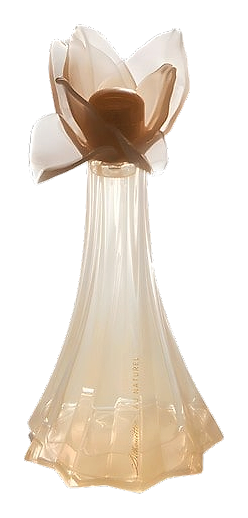

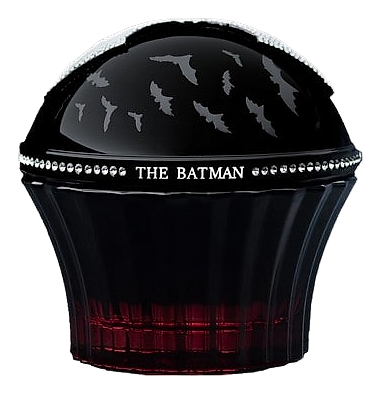
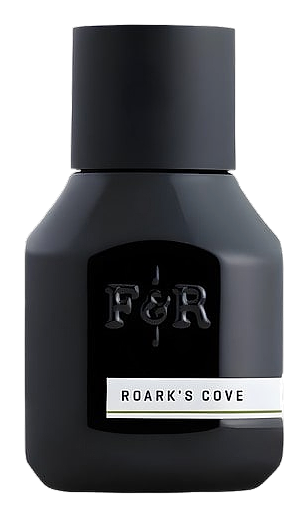
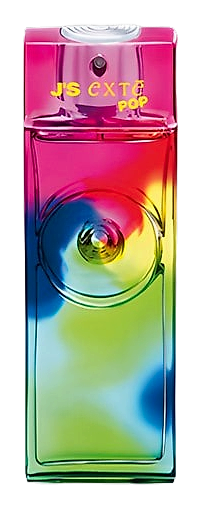
Brands
Brands known for Pear Leaf
Good to know
Questions, answered
The essentials on Pear Leaf in perfumery: how it smells, where it comes from, and how it behaves on skin.
What does Pear Leaf smell like?
Pear Leaf smells fresh and green with a watery, slightly floral undertone. It captures the crisp, aromatic quality of orchard foliage rather than the fruit itself. The scent reads as clean and naturalistic, similar to crushed fresh leaves on a spring morning.
Is Pear Leaf a natural or synthetic ingredient?
Pear Leaf exists in both natural and synthetic forms. Natural Pear Leaf absolute or essential oil comes from steam distilling or solvent extracting the leaves of the pear tree (Pyrus communis). Synthetic versions replicate specific aroma molecules found in pear foliage for consistency and cost purposes.
Which fragrances typically use Pear Leaf?
Perfumers use Pear Leaf as a supporting green note in fresh, aquatic, and chypre compositions. It appears most often in modern fragrances designed to evoke nature, including several flankers from major fashion houses and independent naturalistic perfume lines.
How long has Pear Leaf been used in perfumery?
Leaf materials from pear trees entered systematic perfumery use during the late twentieth century. While the fruit and blossoms have centuries of documented aromatic use, the leaf represents a more recent discovery in the ongoing expansion of green natural ingredients.
What extraction methods work best for Pear Leaf?
Steam distillation preserves the delicate green molecules but yields relatively low volumes. Solvent extraction produces a more concentrated absolute with richer color and stronger odor impact. Both methods require careful temperature management to protect heat-sensitive aromatic compounds.
What other ingredients pair well with Pear Leaf?
Pear Leaf harmonizes with citrus oils, other green notes like galbanum and fig leaf, aquatic aromachemicals, and light florals such as lily of the valley. It also complements woody bases like cedar and vetiver without overwhelming them.
Where do the best Pear Leaf materials originate?
China remains the primary origin for cultivated pear trees used in fragrance production. European sources in France and Italy also supply small quantities, particularly from orchard pruning materials that would otherwise go to waste.
Does Pear Leaf offer any sustainability advantages?
Using pear leaves often involves harvesting from existing orchards during seasonal pruning rather than dedicated cultivation. This approach maximizes resource efficiency and provides additional income to orchard operators without requiring additional land or water resources.