
















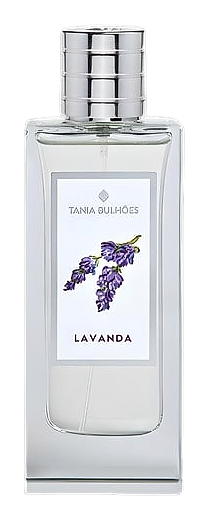
The Heritage
The Story of Bottega Verde
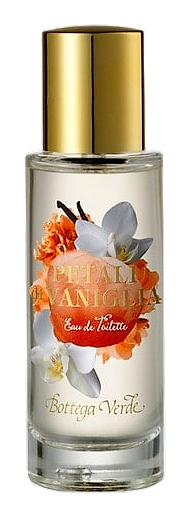
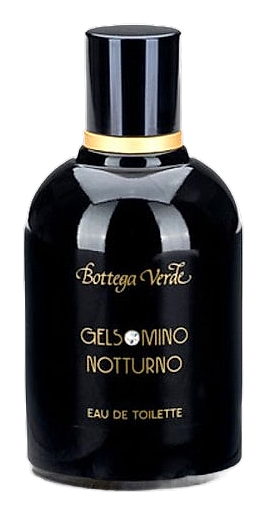
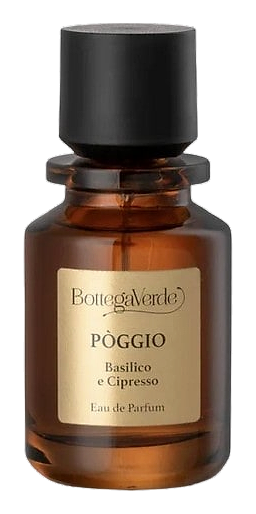
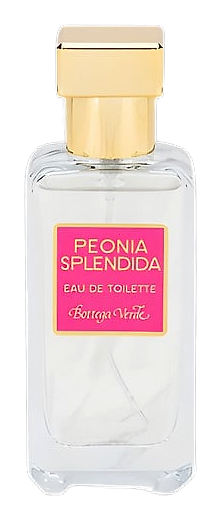
Bottega Verde is an Italian fragrance house that creates scents for the body and the home. Rooted in the Val d'Orcia hills of Tuscany, the brand draws on centuries‑old herbal traditions to blend natural extracts into modern aromas. Its portfolio ranges from light eau de toilettes such as Acqua di Bottega Verde N° 3 to richer compositions like Cioccolato Fondente. The company positions each fragrance as a small ritual that connects daily life with the countryside that inspired it.
Heritage
The story begins in 1972 when a modest herbalist shop opened in the Val d’Orcia region of Tuscany. According to the brand’s own history, the shop’s owner began formulating scented products using locally harvested herbs, a practice that quickly attracted customers seeking natural alternatives to conventional cosmetics. Throughout the 1980s the business expanded its range beyond skin care, introducing scented candles and room sprays that carried the same botanical DNA. In 2000 the label launched BV Girl, a fragrance that marked its first major entry into the personal perfume market and signaled a shift toward a broader olfactory portfolio. The 2010s saw the introduction of themed collections such as Momenti di Toscana, a line that references specific Tuscan moments and landscapes. By 2023 the brand released Fiori di Chiffon and Blu D’Acqua, two scents that blend marine notes with floral accords, reflecting a continued interest in marrying regional inspiration with contemporary trends. The following year Cioccolato Fondente arrived, offering a gourmand profile that demonstrates the label’s willingness to explore new scent families while staying true to its herbal roots. Over five decades Bottega Verde has grown from a single shop to an international retailer, maintaining a focus on nature‑based formulas while diversifying into home fragrance, personal care, and wellness products.
Craftsmanship
Production begins in the Tuscan countryside where the brand sources herbs, citrus peels, and floral absolutes from farms that practice organic cultivation. Growers report that the company selects plants at peak maturity to capture maximum aromatic intensity. Once harvested, raw materials travel to a central laboratory where perfumers—often consulted on a project basis—blend them by hand. The process favors small‑batch mixing, allowing artisans to adjust proportions in real time and ensure consistency across each launch. Quality control includes gas‑chromatography testing to verify purity and stability, as well as skin‑safety assessments performed by independent laboratories. Bottles are filled in a temperature‑controlled environment to preserve volatile top notes. The brand also invests in eco‑friendly packaging: glass containers are reclaimed where possible, and diffuser reeds are made from sustainably sourced wood. Throughout the supply chain, Bottega Verde tracks each ingredient’s origin, providing traceability reports that accompany major releases.
Design Language
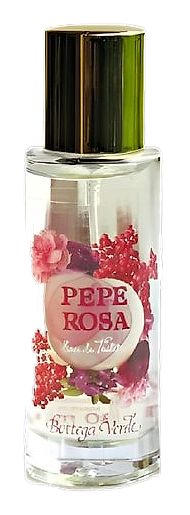
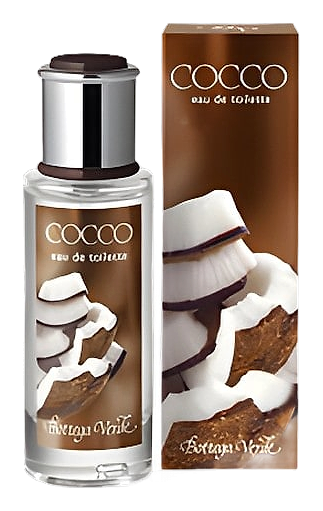
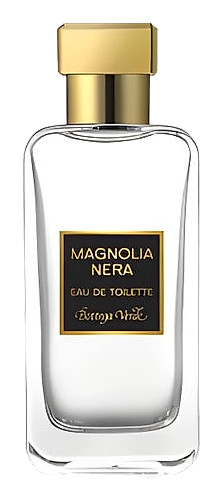
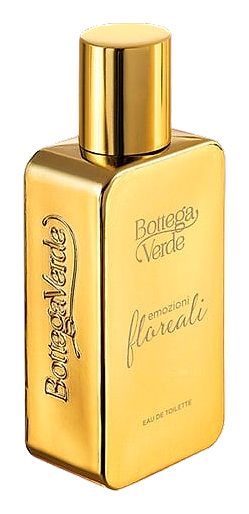
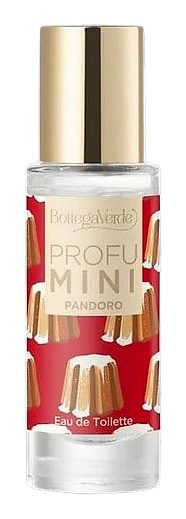
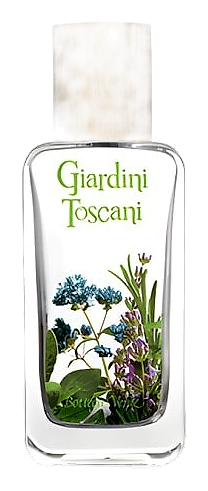
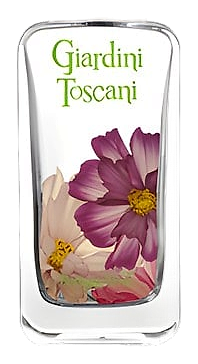
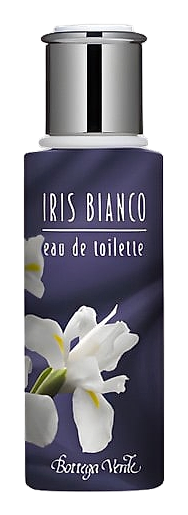
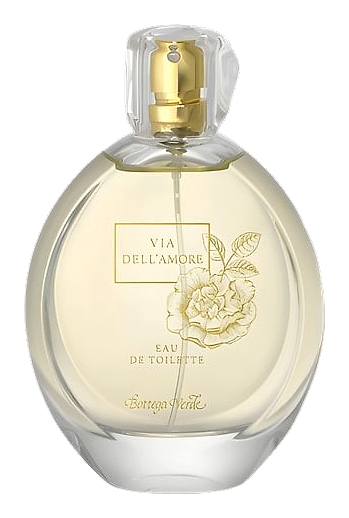
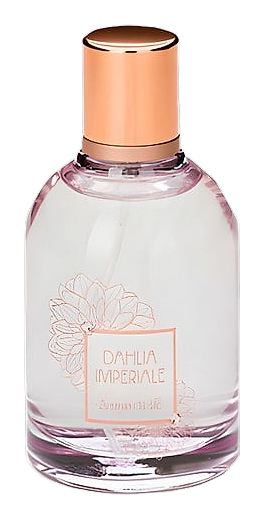
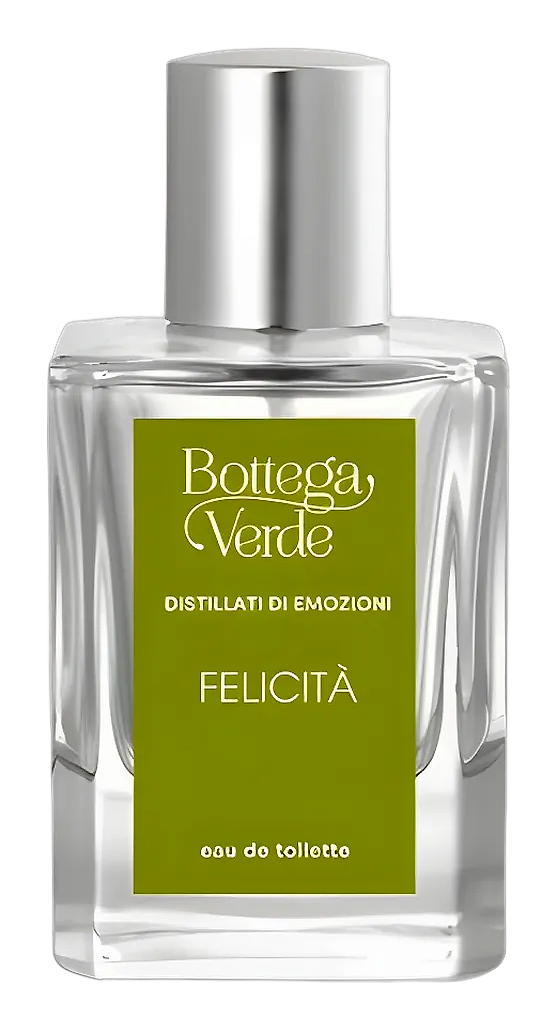
Visually, Bottega Verde embraces a minimalist palette that echoes the Tuscan landscape. Bottle silhouettes are slender and transparent, allowing the liquid’s natural hue to become part of the design. Labels feature muted earth tones and simple sans‑serif typography, often accompanied by hand‑drawn sketches of the key botanical ingredient. The home fragrance line adopts ceramic diffusers in soft pastel shades, each piece hand‑painted with subtle motifs of olive branches or lavender sprigs. Marketing imagery frequently places the products against rustic stone walls, rolling hills, or sun‑drenched vineyards, reinforcing the connection to the brand’s origin. The overall visual language avoids excessive ornamentation, preferring clean lines and natural textures that convey a sense of understated elegance.
Philosophy
Bottega Verde frames scent as a conduit for well‑being. The company states that it respects the balance of nature, choosing ingredients that are harvested in a way that protects biodiversity. It emphasizes transparency, listing botanical origins on product labels and encouraging consumers to understand the role of each note. The brand blends traditional Tuscan herbal knowledge with contemporary fragrance techniques, aiming to create aromas that feel both familiar and fresh. Sustainability guides its decisions: packaging favors recyclable glass and refillable systems, and the company supports local growers through fair‑trade agreements. Rather than chasing fleeting trends, Bottega Verde seeks to craft scents that resonate with personal memories, allowing each wearer to craft their own story through scent.
Key Milestones
1972
A small herbalist shop opens in Val d'Orcia, Tuscany, laying the foundation for the brand.
2000
BV Girl launches, marking the label’s first major personal fragrance.
2013
Momenti di Toscana collection debuts, drawing on specific regional inspirations.
2023
Fiori di Chiffon and Blu D’Acqua are released, expanding the portfolio with marine‑floral blends.
2024
Cioccolato Fondente arrives, introducing a gourmand note to the brand’s offerings.
At a Glance
Brand profile snapshot
Origin
Italy
Founded
1972
Heritage
54
Years active
Collection
4
Fragrances released
Avg Rating
3.8
Community sentiment
Release Rhythm


