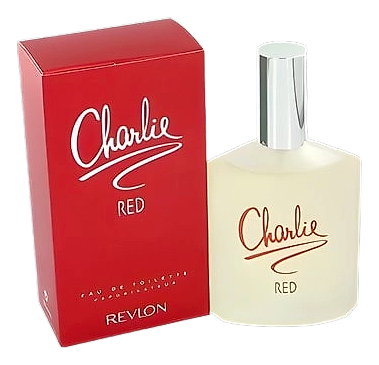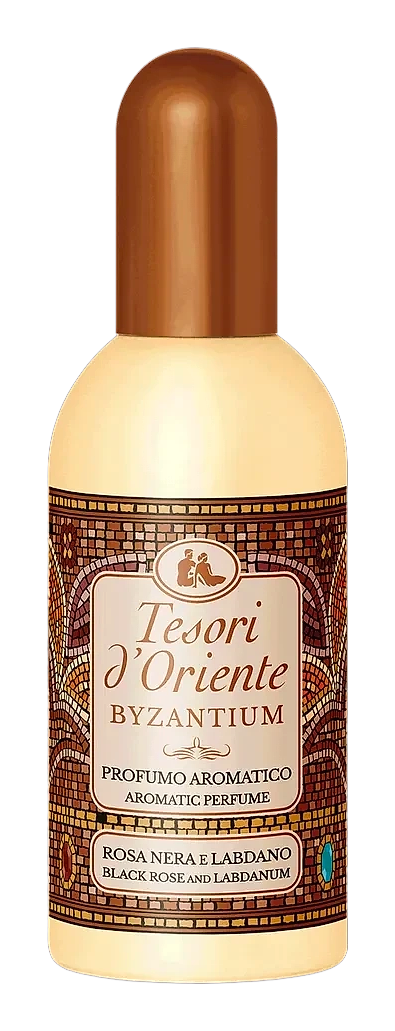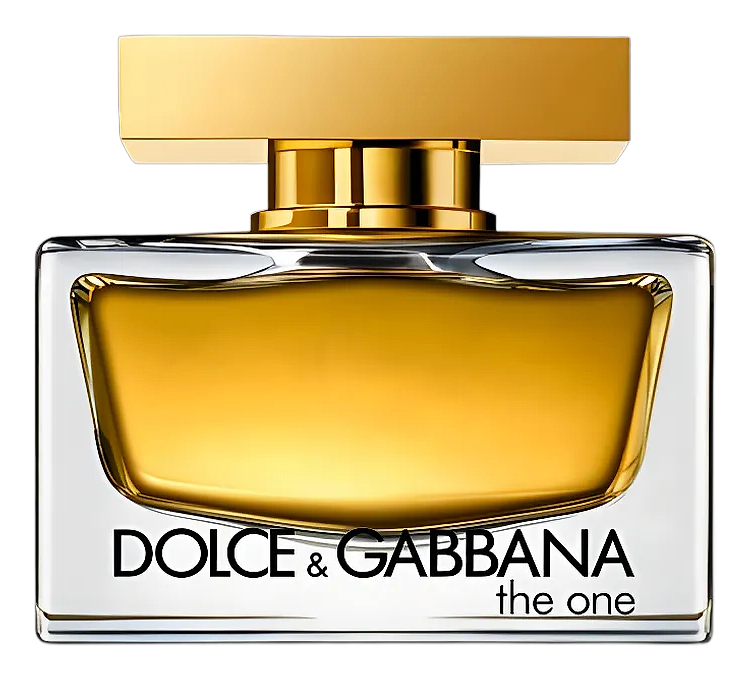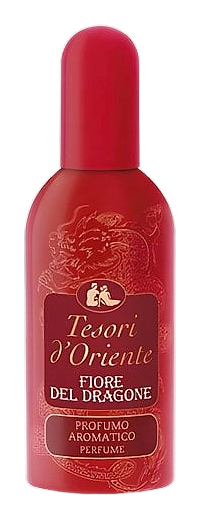
The Story
Why it exists.
The beginning
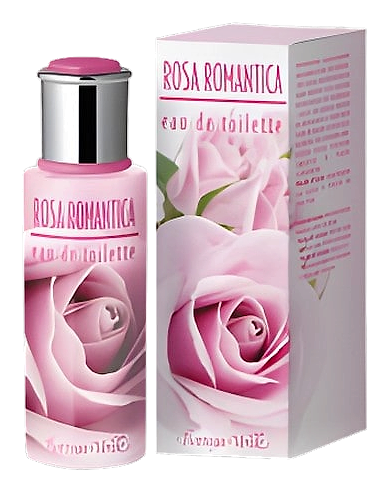
Bottega Verde named this 2000 composition for the queen of romantic gestures, the rose itself. But where traditional rose fragrances lean into richness, Rosa Romantica reimagines the flower through an Italian herbalist lens. Pink peony, lotus, and a whisper of apple blossom transform the expected into something softer, more restrained. Italian florals that smell like someone tending a garden, not ordering from a catalogue.
Apple blossom and white pepper arrive first, a surprisingly crisp opening for a fragrance called romantic. The white pepper adds a quiet tension, a subtle heat that keeps the florals from becoming merely sweet. By the heart phase, pink peony and lotus have softened everything into a powdery bloom. Rose appears but never dominates. It contributes rather than commands. The result is a floral that feels modern without being cold, intimate without being invisible.
The evolution
The opening lasts roughly 20 minutes as apple blossom and white pepper establish a clean, slightly spiced presence. Then the florals take over for the next 3-4 hours, powdery, soft, never heavy. By the final hour, sandalwood and white musk settle close to skin. Patchouli adds just enough earth to keep it grounded. The drydown is intimate by design: noticeable to the wearer, barely perceptible to anyone across the room. It fades as gently as it arrived, no dramatic exit, just a quiet disappearance that leaves you wondering if it's still there.
Cultural impact
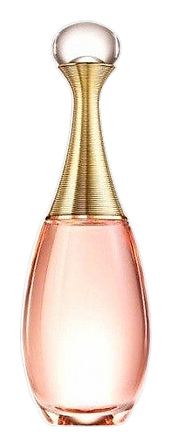
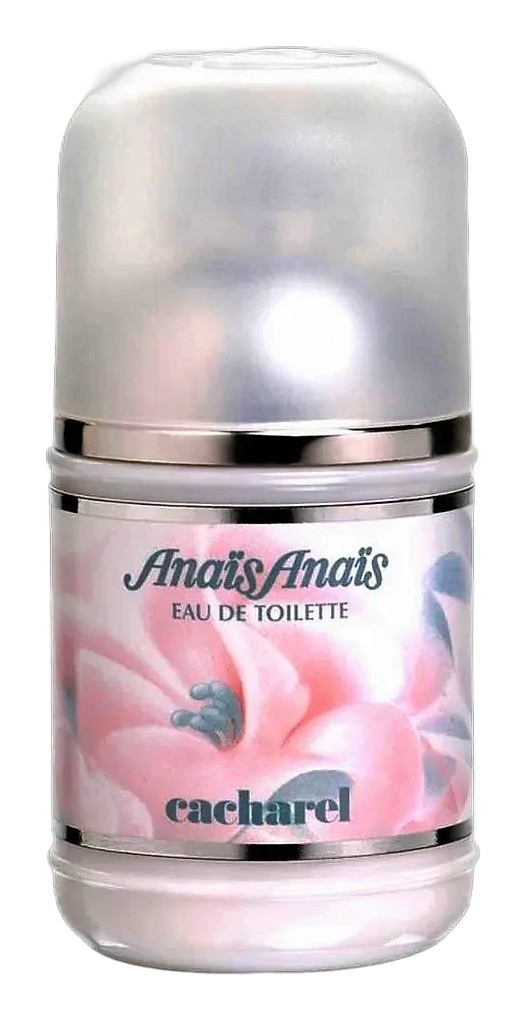
Rosa Romantica occupies a gentler corner of the feminine floral landscape. Unlike bold classics such as Dior J'adore or Cacharel Anais Anais, it doesn't announce itself from across the room. The appeal is precisely that quietness, a fragrance for someone who finds meaning in the unhurried moment rather than the entrance.