The Story
Why it exists.
The beginning
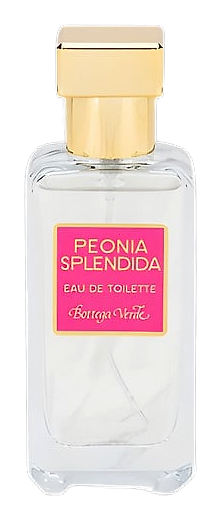
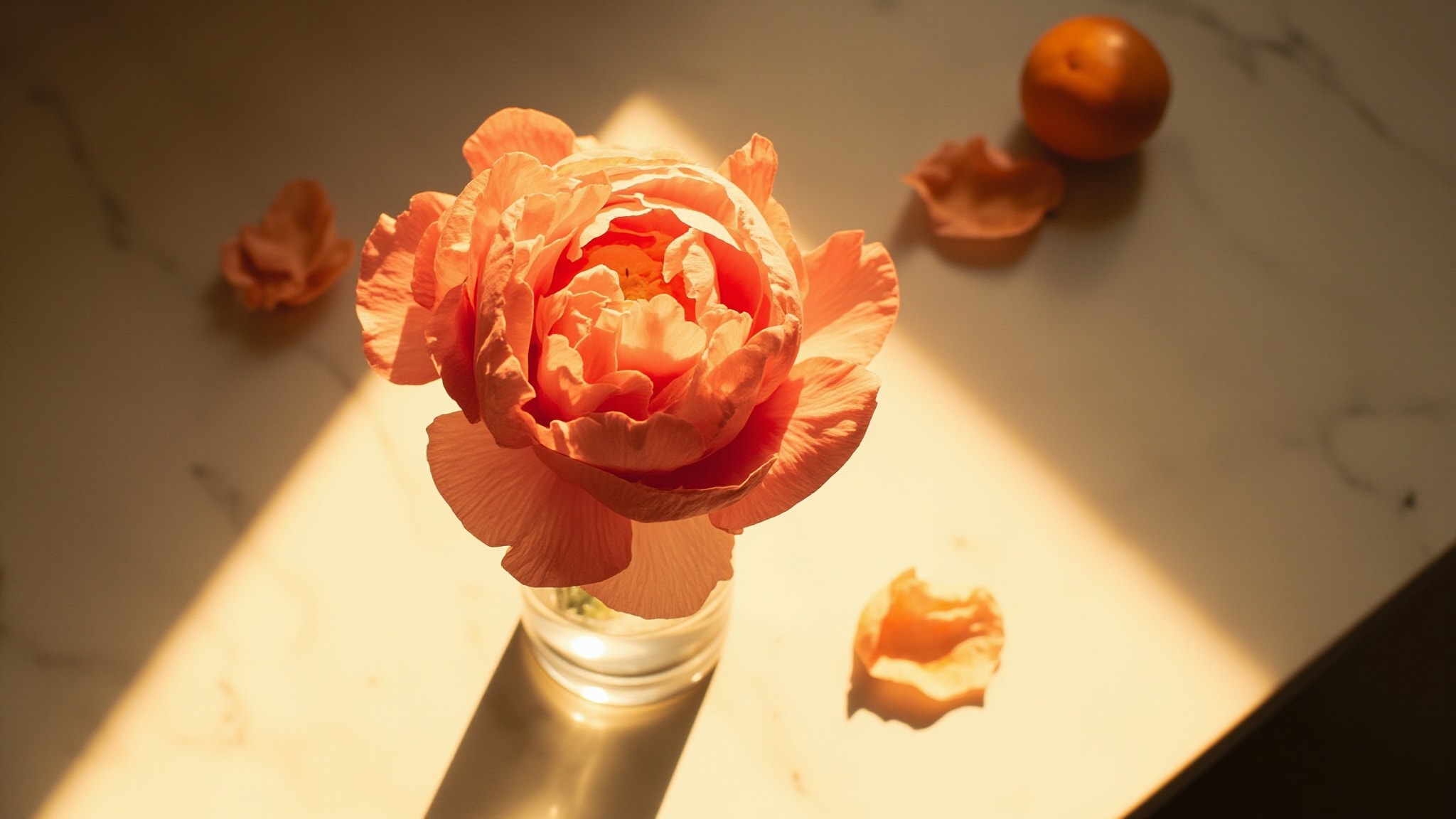
Peonia Splendida takes the peony and lets it shine in ruffled, full bloom. The name says it all: splendid peony. The idea was to present the flower in its natural glory, surrounding it with enough brightness to lift it, enough warmth to keep it grounded. The composition pairs the peony with citrus fruits and mandarin orange, creating a vibrant opening that makes the floral heart sing. It's a fragrance for those moments in late spring when the garden is flourishing and you're simply there to notice it.
What makes Peonia Splendida work is the way the heart notes complicate the peony without stealing it. Osmanthus adds a fruity dimension that reads like apricot skin, unexpected, slightly tart, while orange blossom brings a waxy, indolic sweetness that grounds the composition. The pink pepper in the base adds a tiny heat that gives the fragrance some structure. The drydown leans woody, with sandalwood and patchouli providing depth and keeping the overall feeling soft rather than heavy.
The evolution
The opening hits bright and immediate. Mandarin orange and citrus fruits arrive together, sharp and glistening, with the peony already visible underneath, not hiding, not waiting. Within minutes the citrus recedes and the floral heart takes over: orange blossom blooming, osmanthus adding its apricot-tart suggestion, rose lending a classic soft undertone. The transition isn't dramatic. It's more like watching a room fill with light as the blinds go up. By the third hour, the peony has settled into the base, still there, but quieter now, wrapped in sandalwood and a gentle patchouli warmth. Pink pepper lingers longest, a faint warmth on the skin that outlasts everything else.
Cultural impact
Peonia Splendida arrived as consumers increasingly sought authentic botanical fragrances over heavier releases. The fragrance's fresh-citrus character and transparent peony heart offered an alternative to more complex compositions, appealing to those wanting clarity and freshness in their scent choices. The transparent floral character and approachable citrus opening reflected a preference for lightness and directness in fragrance during this period.