Sweet vernal grass
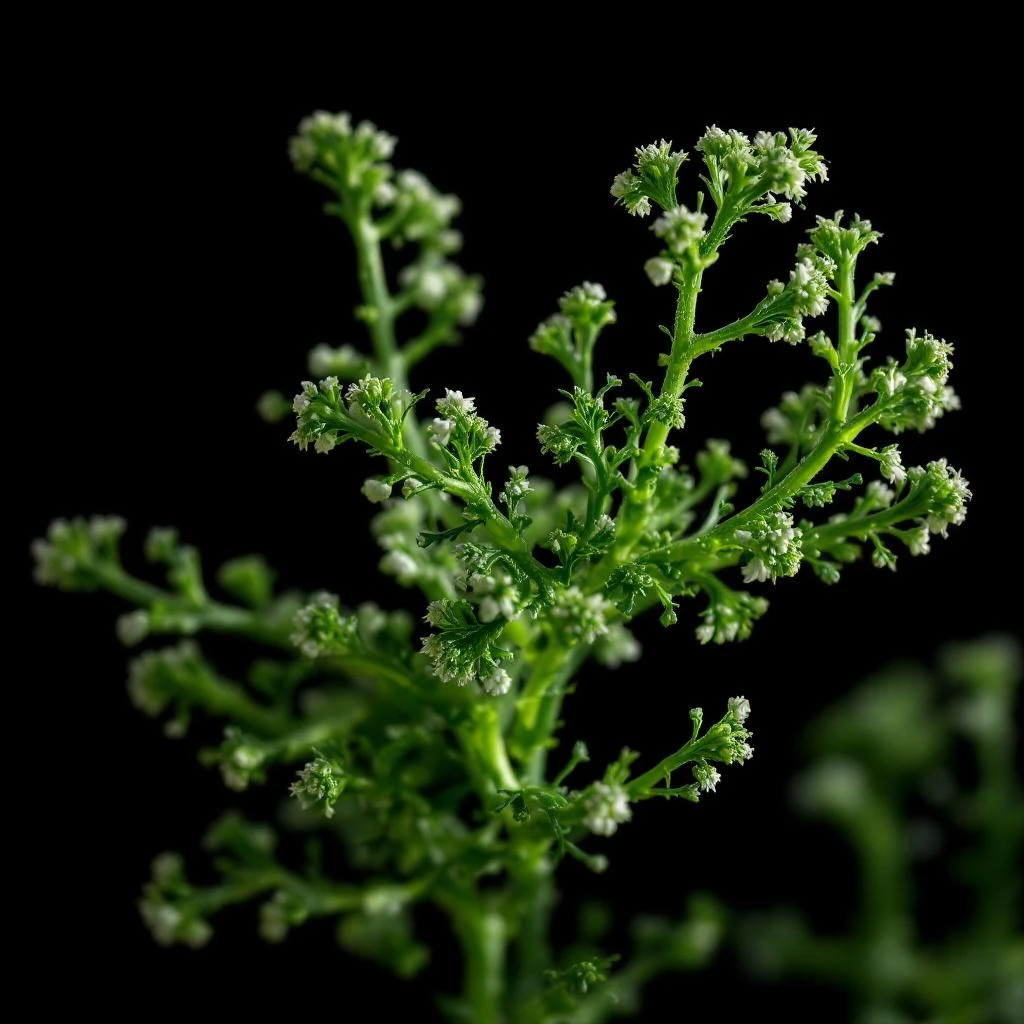
Sweet vernal grass carries the unmistakable scent of summer meadows—green, hay-like, with a gentle sweetness that evokes sun-warmed fields after rain. Its botanical name, Anthoxanthum odoratum, translates to yellow flower that smells, a fitting tribute to its powerful fragrance.

Character
How it smells
Summer meadow in a single breath
Cattle avoid sweet vernal grass despite its pleasant aroma—the compound that humans find charming makes it unpalatable to livestock.




Origin
France
Sweet vernal grass held practical significance in European pastoral farming for centuries. Farmers included it in hay and pasture mixtures specifically for its pleasant fragrance, bringing aromatic appeal to rural landscapes. Dried bundles scented homes and outbuildings across England and France well into the 20th century.
The grass also played a role in traditional spirits, contributing subtle flavoring notes to brandy production. While never a dominant perfumery ingredient, it appeared in vintage formulations seeking authentic botanical character. The plant belongs to the Poaceae grass family and originated across temperate European meadows, roadsides, and suburban lawns.
Its scientific name reflects its identity: Anthoxanthum means yellow flower, while odoratum means fragrant. This European native naturalized widely across continents, though its prolific pollen production made it a significant allergen concern. The grass fell from agricultural favor as farmers learned cattle found it unpalatable, yet its aromatic legacy persisted in perfumery references to fresh, green, hay-like scents.
Wears it best
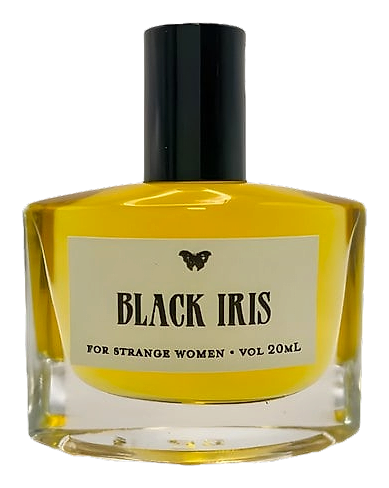
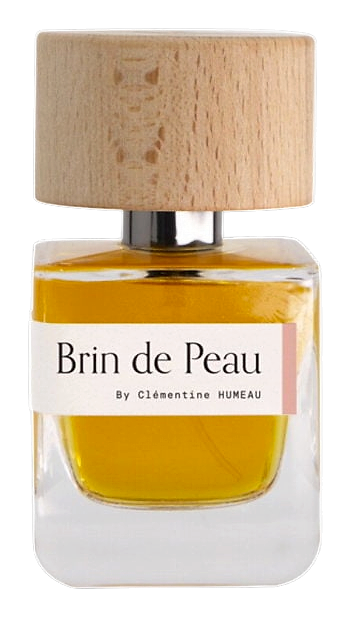
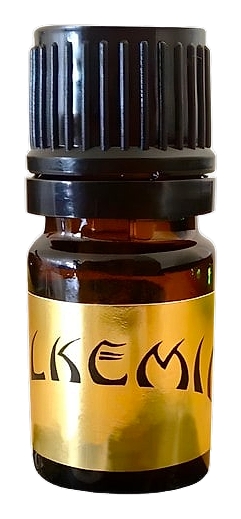
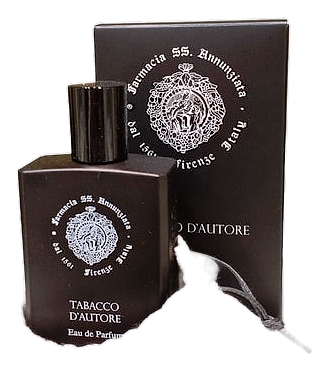
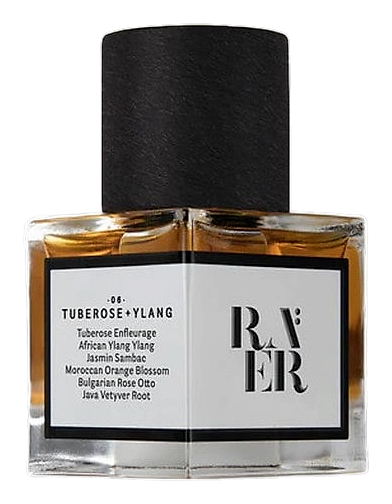
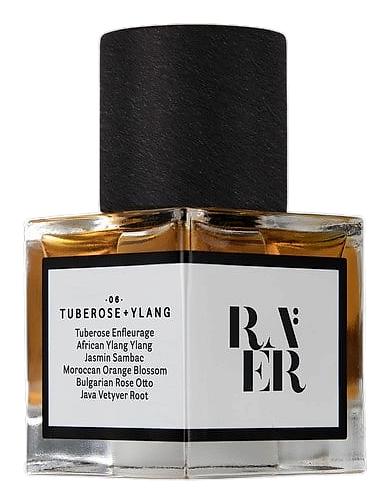
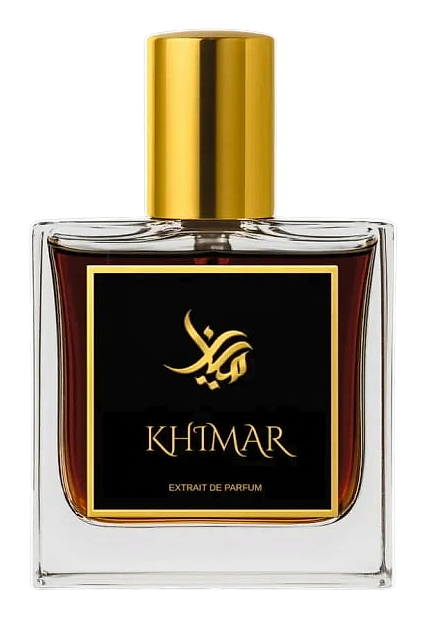
Fragrances featuring Sweet vernal grass
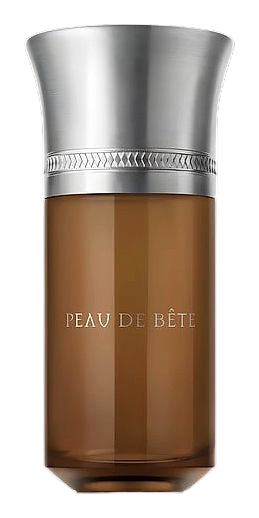
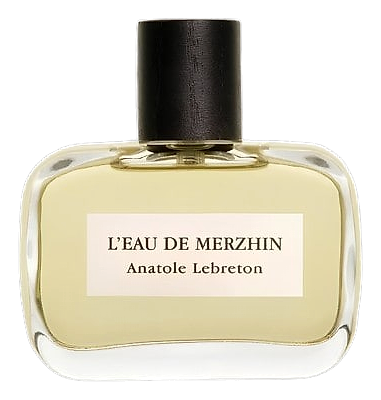
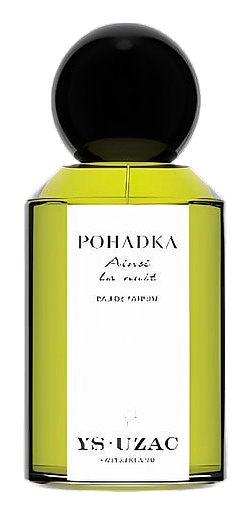

Brands
Brands known for Sweet vernal grass
Good to know
Questions, answered
The essentials on Sweet vernal grass in perfumery: how it smells, where it comes from, and how it behaves on skin.
What does sweet vernal grass smell like?
Sweet vernal grass has a green, hay-like scent with gentle sweetness. The aroma evokes freshly cut grass on a summer morning, combining earthy and slightly warm qualities. Its coumarin content contributes the characteristic sweet note.
Is sweet vernal grass used in modern perfumery?
Natural sweet vernal grass absolute remains rare in contemporary perfumery due to low yield. Perfumers primarily use synthetic coumarin and blended green accords to recreate its signature scent. Vintage and niche natural perfumes occasionally feature authentic extracts.
When does sweet vernal grass produce its strongest fragrance?
The grass flowers from spring onward but reaches peak fragrance in June and July. The flowering period delivers the most aromatic plant material for any extraction attempts. Dried material retains its scent for months when stored properly.
Where does sweet vernal grass grow?
Anthoxanthum odoratum is native to Europe and naturalized across temperate regions worldwide. It thrives in meadows, roadsides, and suburban lawns throughout the continent. France and the British Isles host particularly abundant populations.
What compounds create sweet vernal grass fragrance?
Coumarin and related benzopyrone compounds produce the characteristic sweet, hay-like aroma. These develop as the plant matures and concentrate during the flowering season. The scent profile combines green, warm, and sweet elements.
How is sweet vernal grass material processed for fragrance?
Steam distillation of dried grass material yields an absolute with green, hay-like character. Solvent extraction provides an alternative method for capturing aromatic compounds. Both approaches require substantial plant material due to low yields.
What other grasses are used in perfumery?
Perfumery uses various grass-derived materials including vetiver roots, hay absolute, and green accord blends. Each offers distinct aromatic profiles within the broader grass family. Sweet vernal grass specifically contributes sweet, warm qualities.
Can sweet vernal grass cause allergic reactions?
Sweet vernal grass pollen is a documented major allergen affecting hay fever sufferers. The plant produces abundant pollen during flowering season. Anyone with grass allergies should avoid handling raw plant material.