The Story
Why it exists.
The beginning
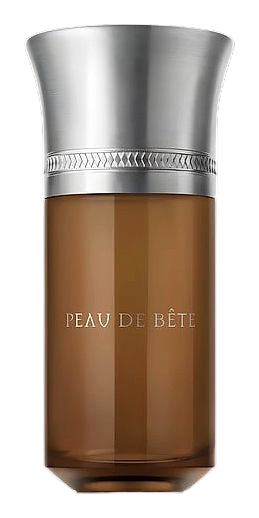
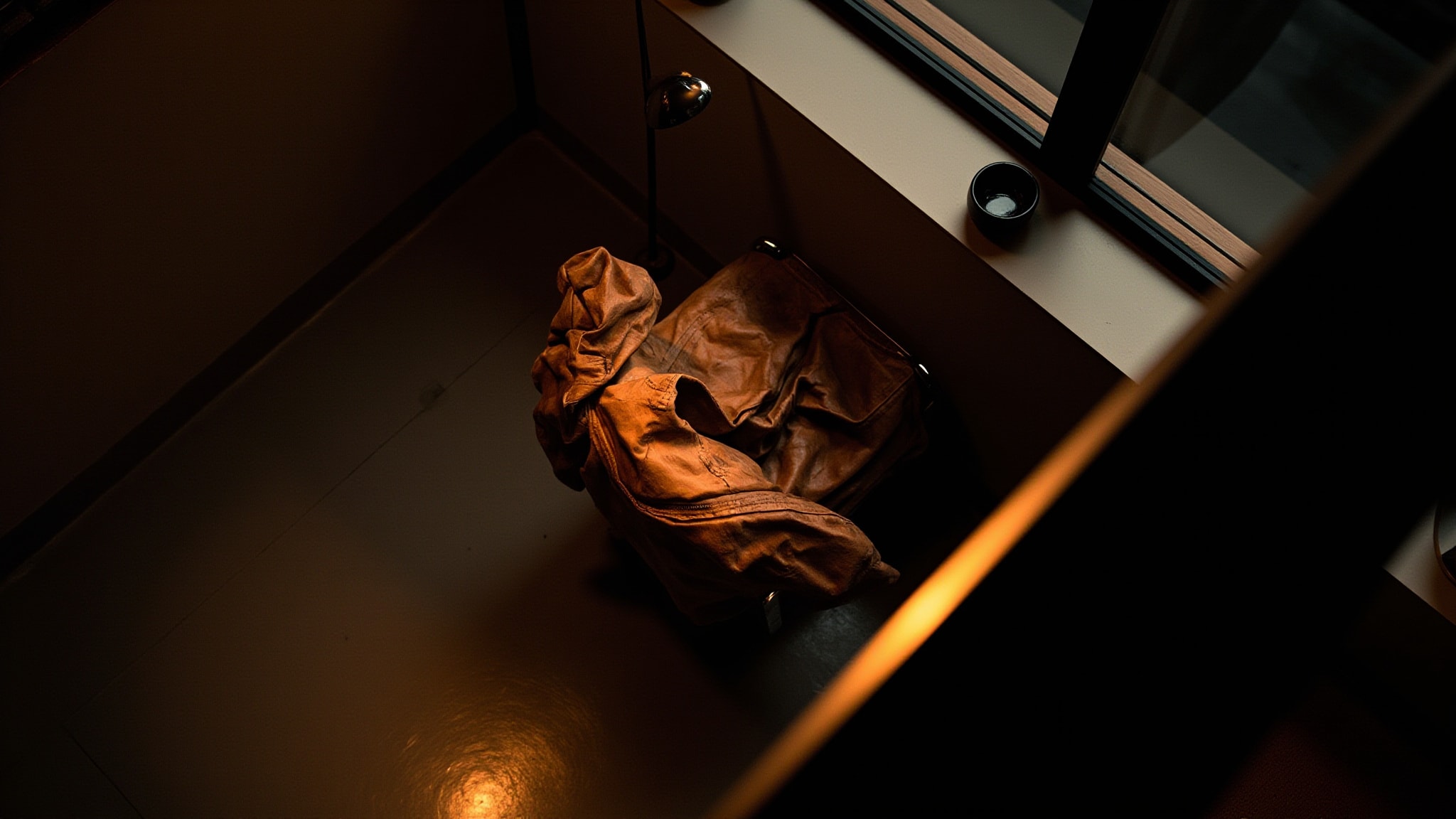
Carine Certain Boin created Peau de Bête in 2016 for Les Liquides Imaginaires' Les Eaux de Peau collection. The name translates to Beast Skin, and the fragrance delivers exactly that promise. Rather than a gentle nod to animalic perfumery, this composition commits. Castoreum and civet anchor the entire structure, treating the wearer's skin as the final ingredient in an olfactory story about what lies beneath the surface of civilized dress. The house describes its work as liquid mythology, Peau de Bête might be the most literal interpretation of that philosophy in their catalog.
What makes this composition structurally unusual is the absence of a heart note. The manufacturer confirms it: there is no middle layer between the spicy opening and the animalic-woody base. This isn't an oversight, it's a choice. The transition happens fast, sometimes uncomfortably fast, as cumin's barnyard sharpness gives way to castoreum's leather and cistus resin warmth. Cypriol oil and Indonesian patchouli fill what might have been empty space, creating a smoky, earthy bridge that connects the opening's heat directly to the base's animalic weight. It's an unconventional pyramid that rewards those who wear it past the first thirty minutes.
The evolution
The first ten minutes belong to cumin and black pepper. This is not a gentle introduction, it's an announcement, sharp and confrontational, with saffron adding a metallic sweetness that almost cuts through. Chamomile sits quietly beneath, a calm presence you barely notice until the spice begins to recede. Twenty minutes in, something shifts. The cumin doesn't disappear, it deepens. Settles. Castoreum arrives not as a replacement but as a continuation, leather-worn-close-skin replacing the initial heat. Civet adds that feral, living quality that makes animalic fragrances either magnetic or repellent, depending on your relationship with the genre. By the second hour, the woods take over. Guaiac wood's smoky, almost tar-like character blends with Atlas cedar and Texas cedar for a dry, resinous foundation. Patchouli from two origins adds earthiness without sweetness. The styrax and amyris keep everything warm, close, intimate. Four hours in, the animalic note is still present, not dominant, but persistent.
Cultural impact
Peau de Bête occupies a specific corner of niche perfumery for those who want animalic materials used without apology. The fragrance attracted collectors who appreciated its confrontational character, cumin and castoreum deployed as features, not flaws. While discontinued, it remains discussed in animalic-forward circles for its unusual structure (no heart note) and its commitment to the primal aspects of skin-worn fragrance. The house's mythology-first approach attracted wearers who saw perfume as transformation, not decoration.