Parsley
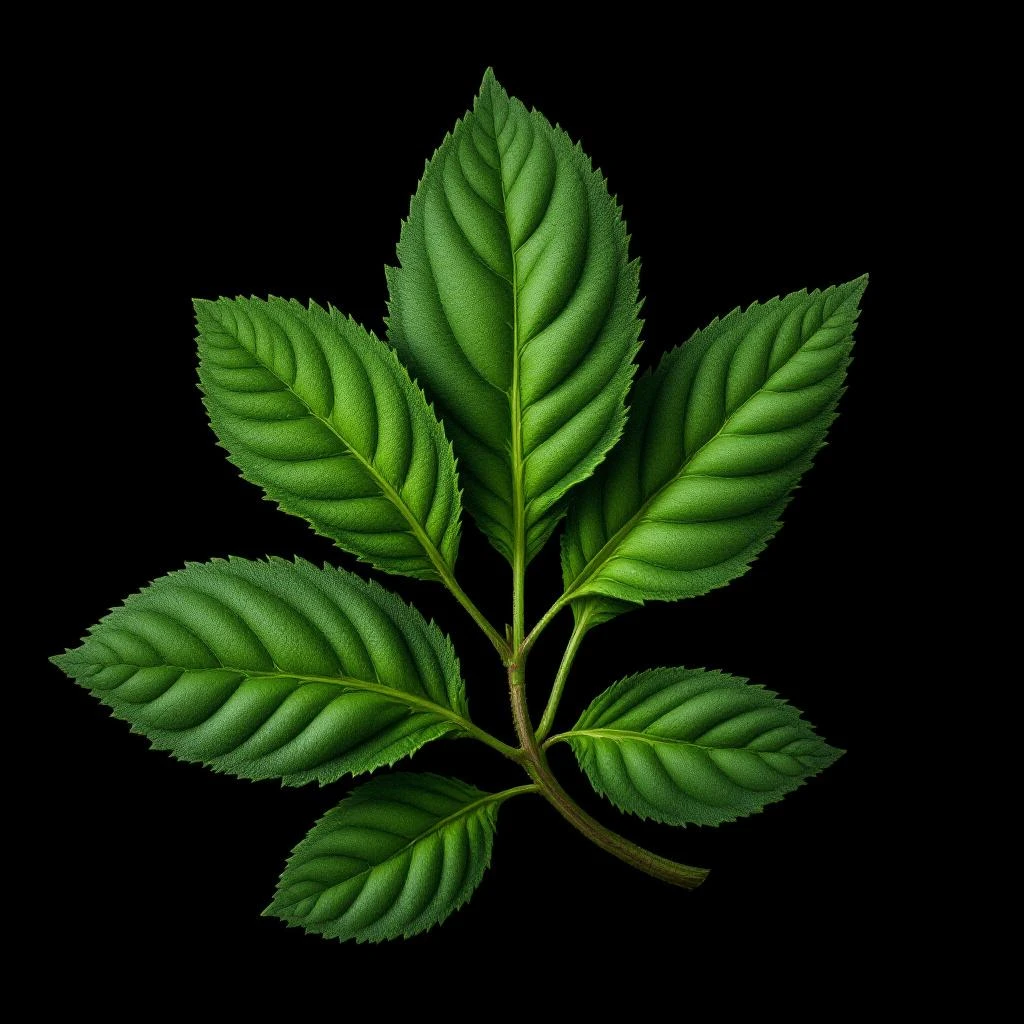
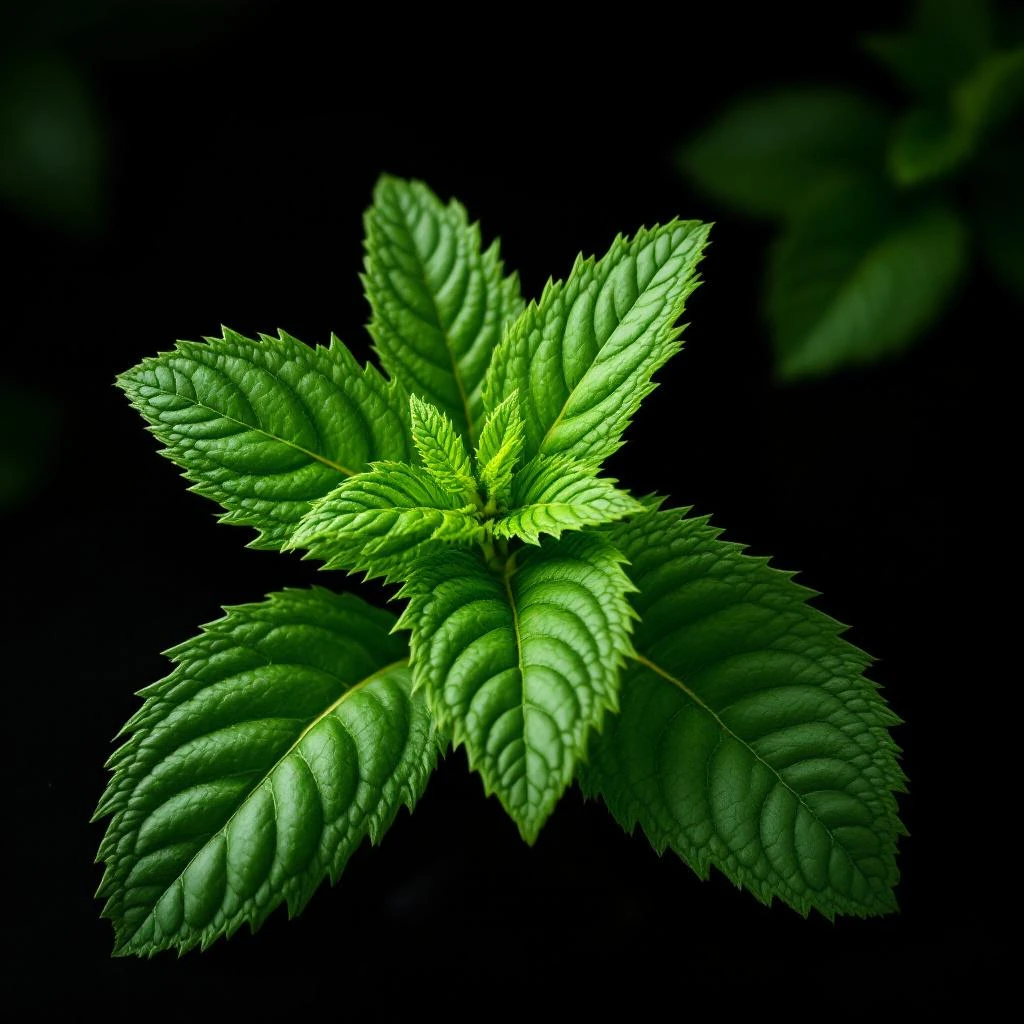
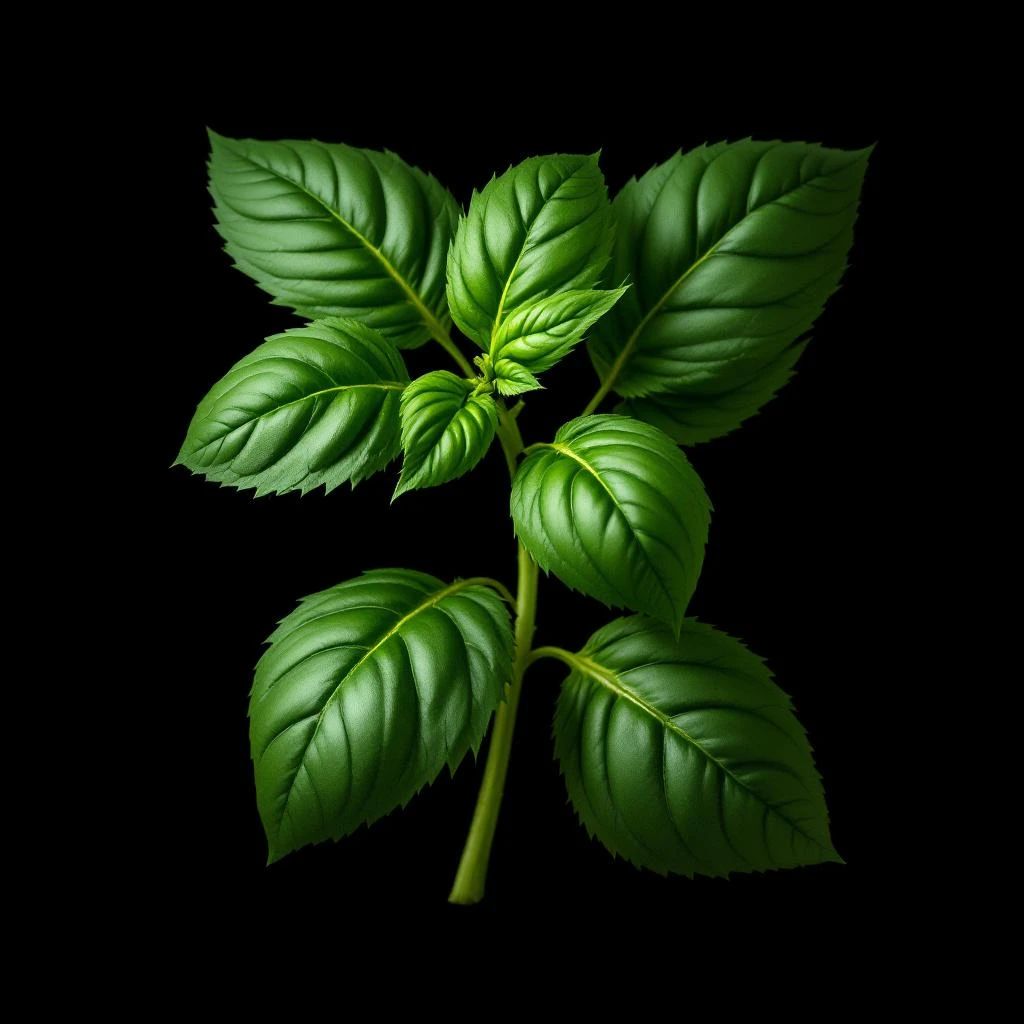
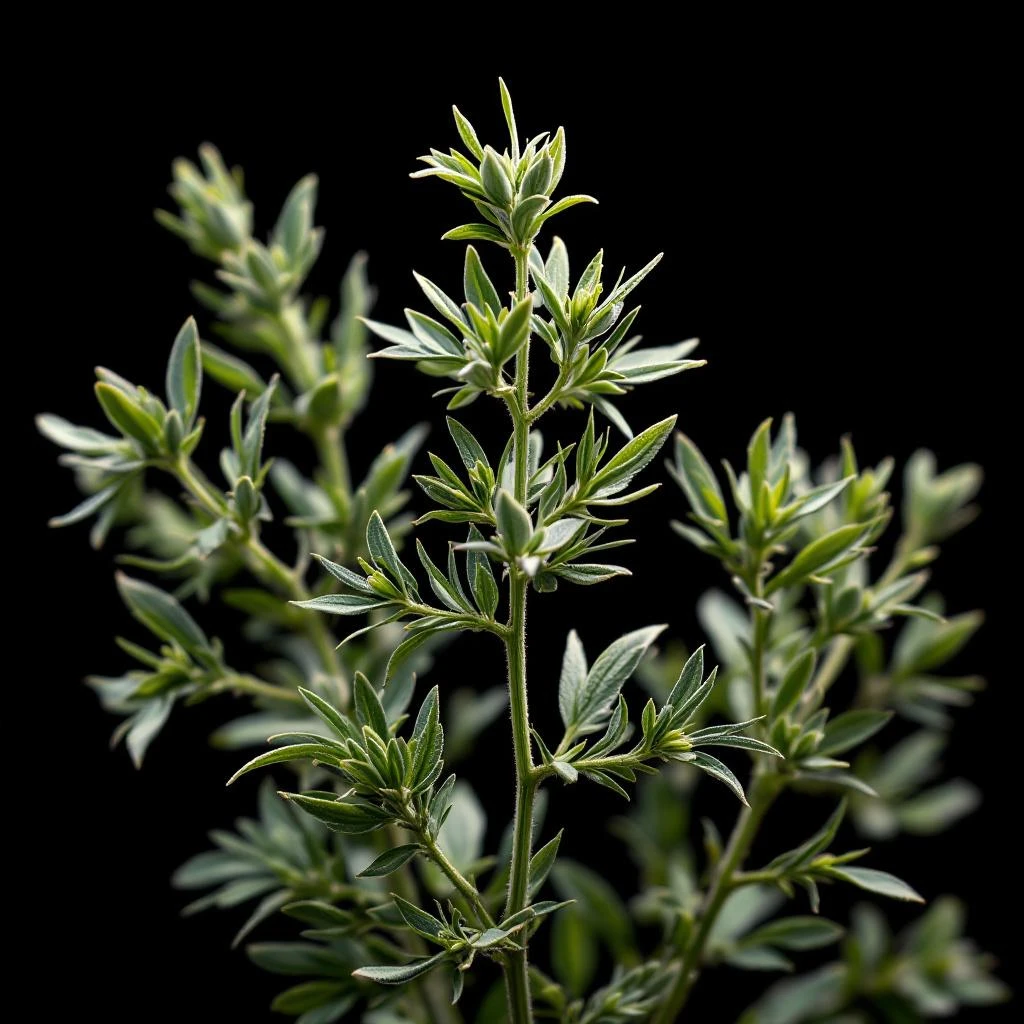
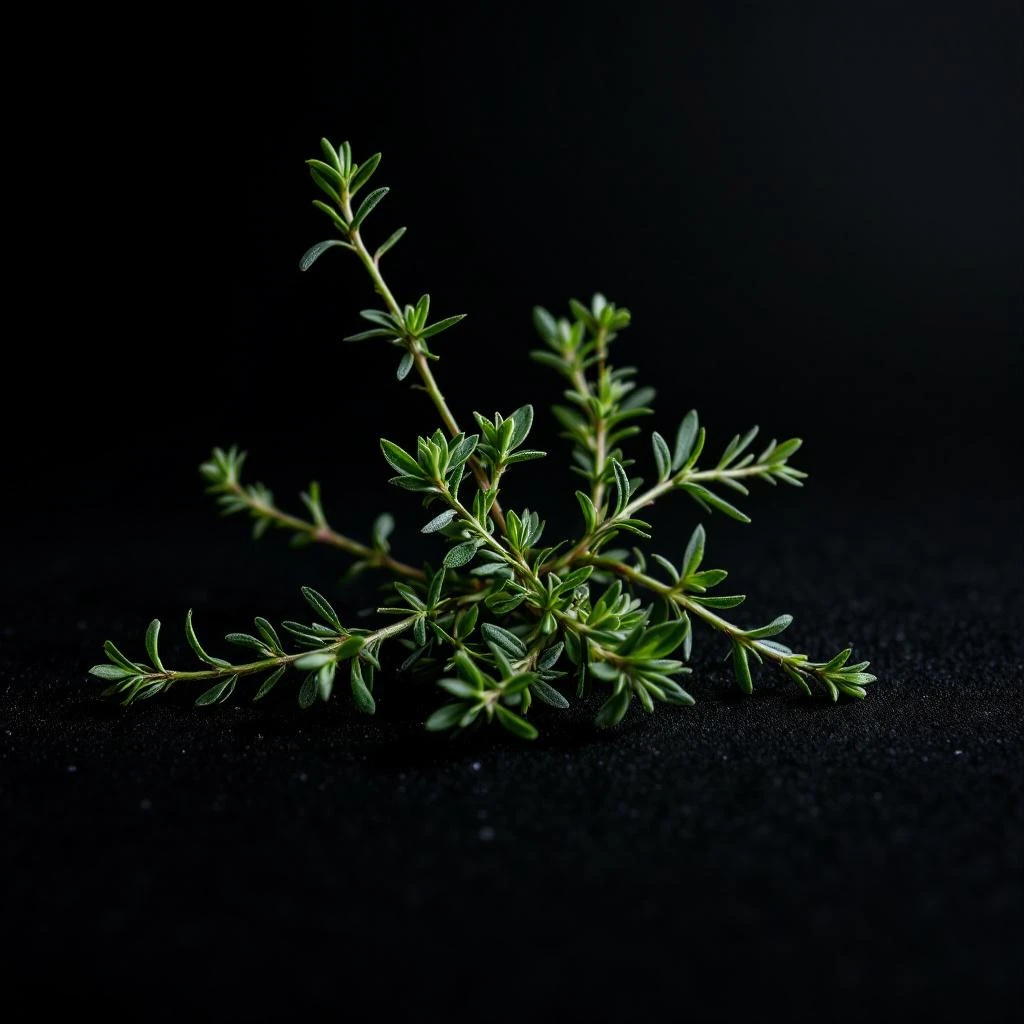
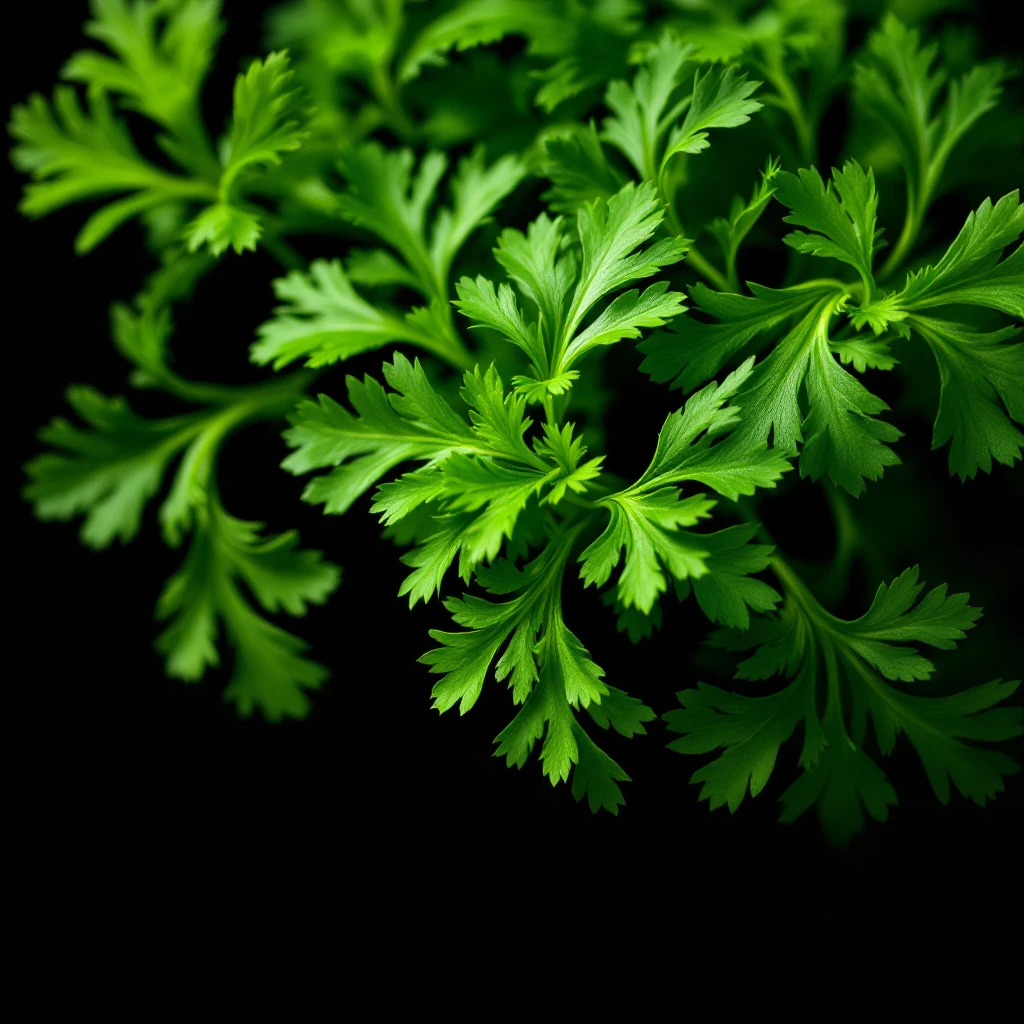
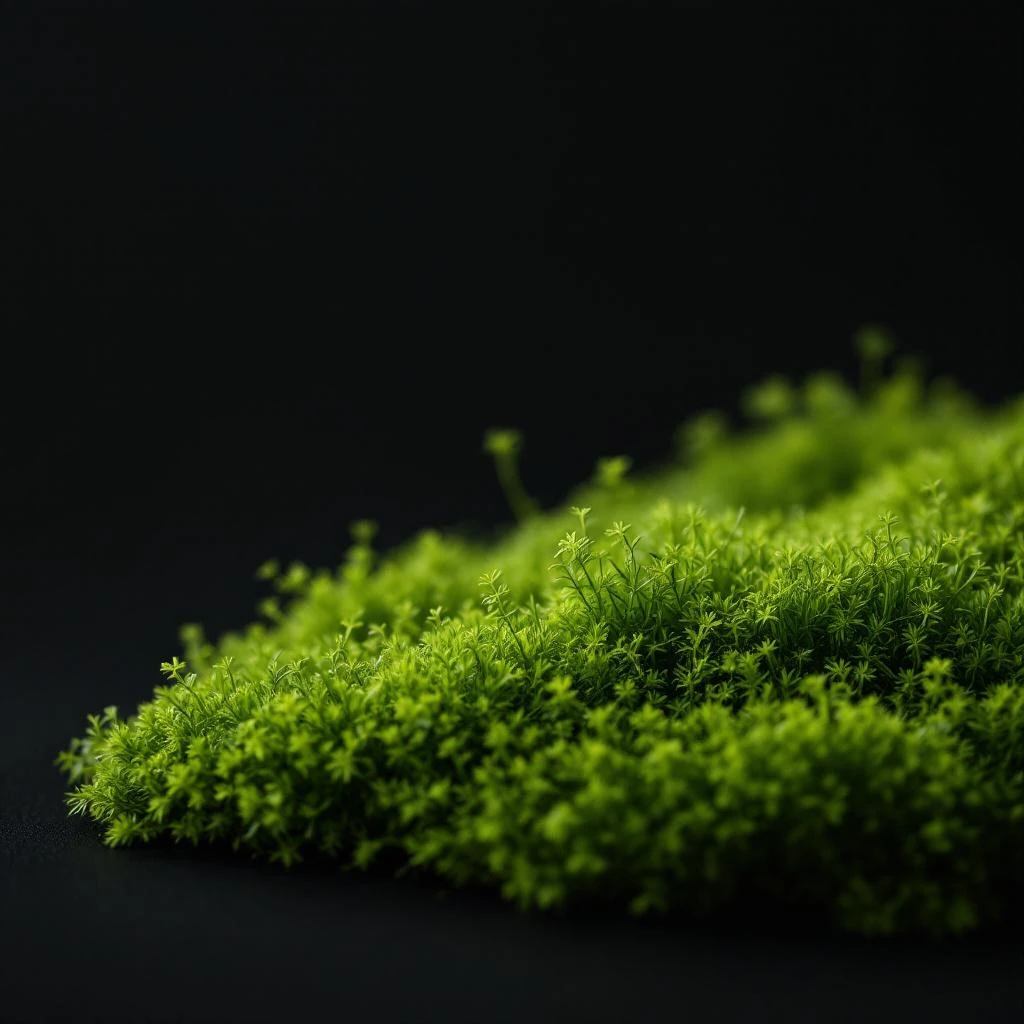
Parsley brings a crisp, green character to fragrance compositions. Often overlooked as a culinary herb, its essential oil offers a sharp, slightly peppery aroma that adds natural freshness and complexity to the top notes of select perfumes. This herb contributes a distinctly verdant, living quality that few ingredients replicate.
Character
How it smells
The unexpected herb that sharpens fragrance.
Ancient Persian and Arabian perfume-makers used parsley extracts alongside anise, coriander, and bergamot as early as 2,000 years ago.





Origin
Mediterranean region
Parsley originated in the Mediterranean basin, where ancient civilizations quickly recognized its aromatic and medicinal properties. Archaeological evidence from the ancient perfume factory at Pyrgos, Cyprus, dated to approximately 2000 BCE, reveals that parsley was among the botanical ingredients processed by early professional perfumers. The Persians and Arabs later refined perfume-making techniques and continued incorporating parsley extracts into their aromatic traditions.
The ancient Greeks associated parsley with both death and renewal, using it to crown victors at athletic games while also weaving it into funeral wreaths. This duality reflects the herb's complex character in perfumery today: simultaneously fresh and somber, bright and grounded. For centuries, perfume consisted entirely of natural plant-based ingredients, placing parsley squarely within the perfumer's palette long before synthetic aromatic materials emerged in the 19th century.
Its role has remained niche but enduring, prized for the natural green authenticity it lends to fragrance constructions that seek a realistic herb garden character.
Wears it best
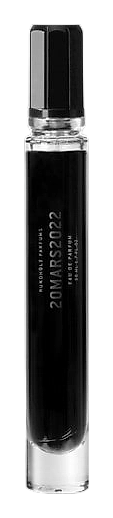
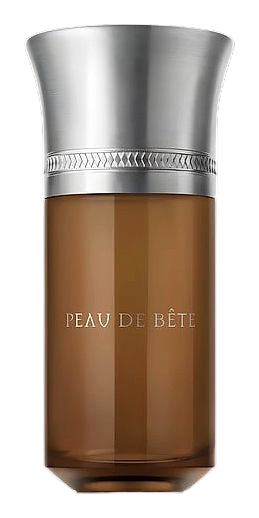
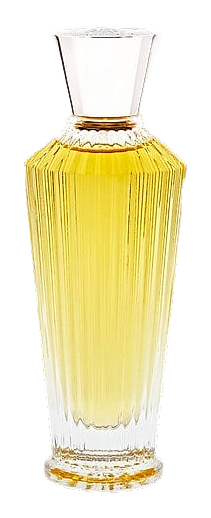
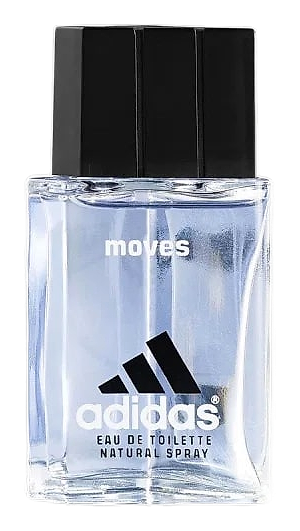
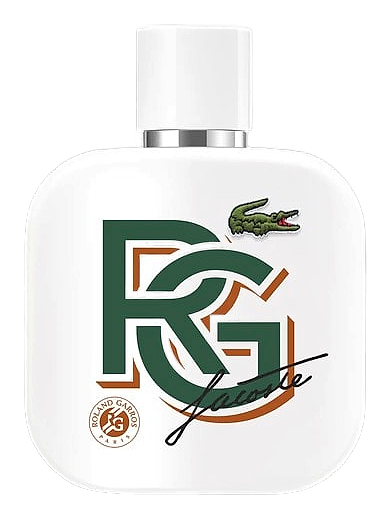
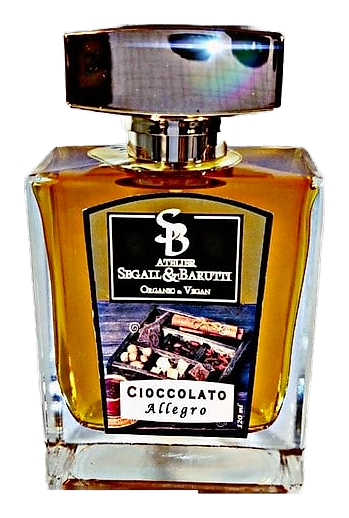
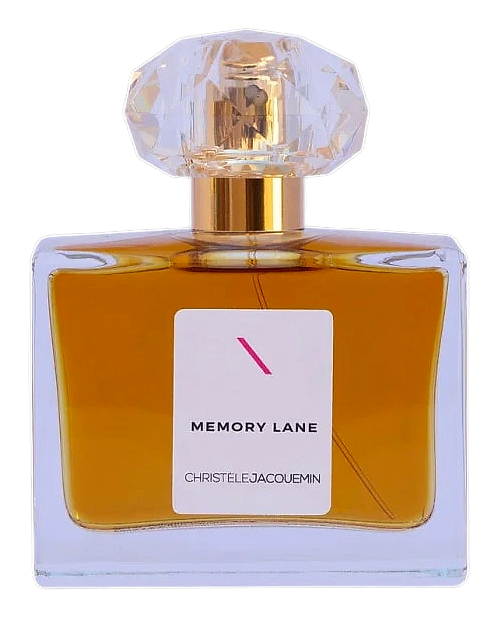
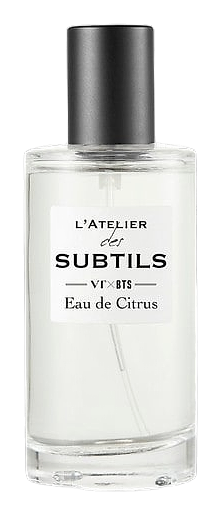
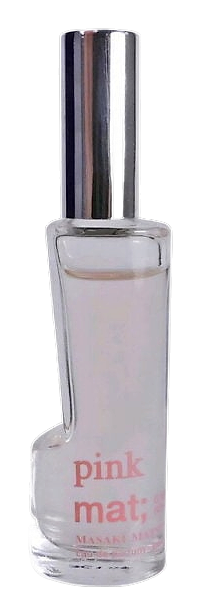
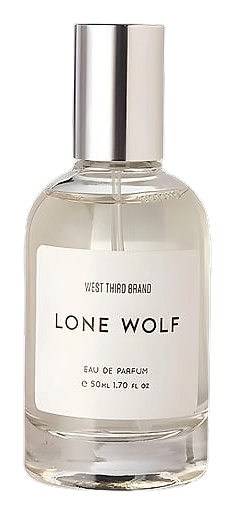
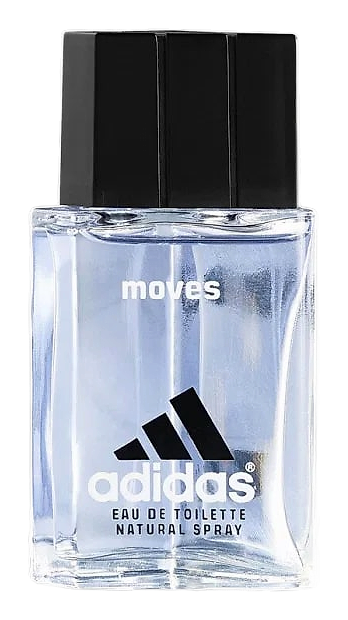
Fragrances featuring Parsley

Good to know
Questions, answered
The essentials on Parsley in perfumery: how it smells, where it comes from, and how it behaves on skin.
What does parsley smell like in perfume?
Parsley oil delivers a sharp, green, slightly peppery aroma with herbaceous and slightly bitter undertones. It reads as distinctly verdant and fresh, closer to cut stems than culinary leaf. Blended with other green notes, it creates a natural, just-harvested quality.
Which perfumes feature parsley as a key ingredient?
Parsley functions as a top-note ingredient in select green, herbal, and fougère-style fragrances. Perfumers use it to reinforce the naturalness of herbaceous compositions, where it acts as an aromatic accent rather than a dominant note.
Is parsley a natural or synthetic fragrance ingredient?
Parsley is entirely natural. The oil is steam-distilled from the seeds or leaves of Petroselinum crispum. No synthetic replicate of its specific aromatic profile has achieved widespread adoption in fine fragrance.
What parts of the parsley plant are used in perfumery?
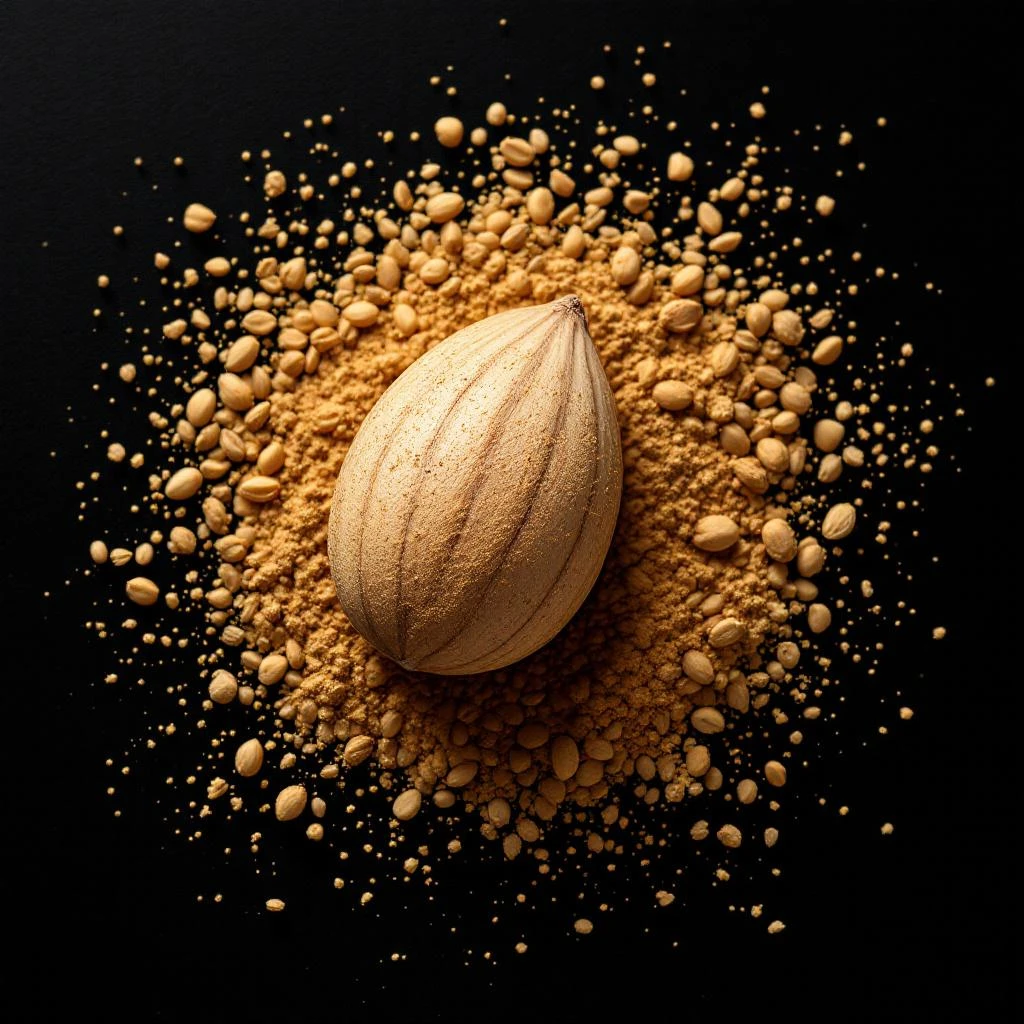
The seeds yield the primary perfumery material through steam distillation. Leaves and stems are sometimes distilled separately for a lighter, more foliage-like aromatic profile. Seed oil contains the highest concentration of the characteristic compounds apiole and myristicin.
How does parsley compare to similar herbs used in perfumery?
Parsley is sharper and more peppery than cilantro, with a distinctly bitter undertone. It shares green freshness with clary sage and basil, but its aromatic profile is more astringent and less sweet. No single herb replicates parsley's unique combination of sharpness and bitterness.
What extraction method is used for parsley essential oil?
Steam distillation is the standard method. Pressurized steam passes through crushed parsley seeds, rupturing aromatic glands and carrying volatile compounds into a condenser where they separate from the hydrosol as an essential oil.
What is the historical significance of parsley in perfumery?
Parsley appears in records of ancient Persian and Arabian perfume-making dating back over 2,000 years. Recent archaeological analysis of the Pyrgos, Cyprus perfume factory confirmed parsley among the botanical ingredients processed there around 2000 BCE.
Does parsley appear frequently in modern fine fragrances?
Parsley is a specialty ingredient rather than a mainstream perfume note. Its inclusion is deliberate, appearing in fragrances crafted to achieve an authentic herbal, garden-fresh character. Most consumers encounter it indirectly within green accord constructions.