Croissant
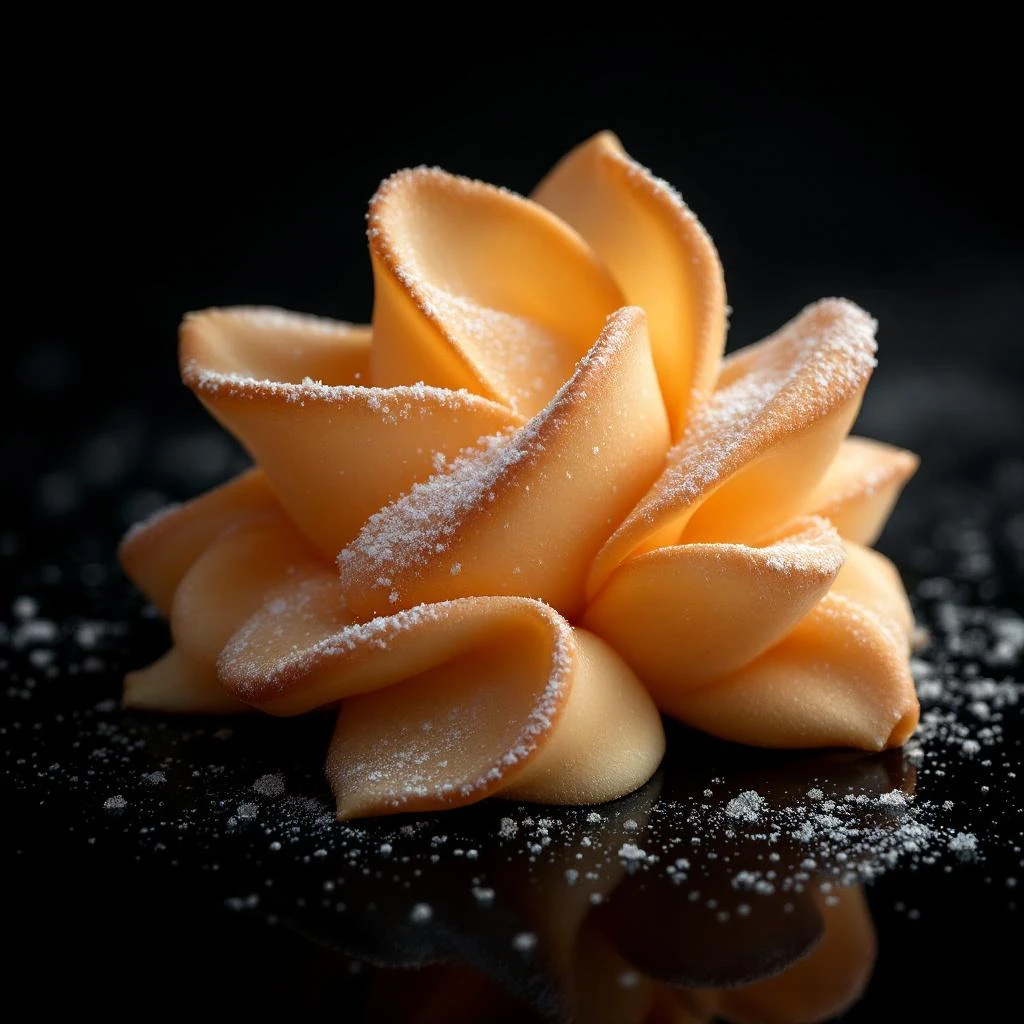
The warm, buttery aroma of freshly baked croissants translated into perfumery. This haut gourmand note weaves together golden pastry warmth, caramelized crust, and rich dairy butter into an irresistible scent evoking Parisian breakfast tables.
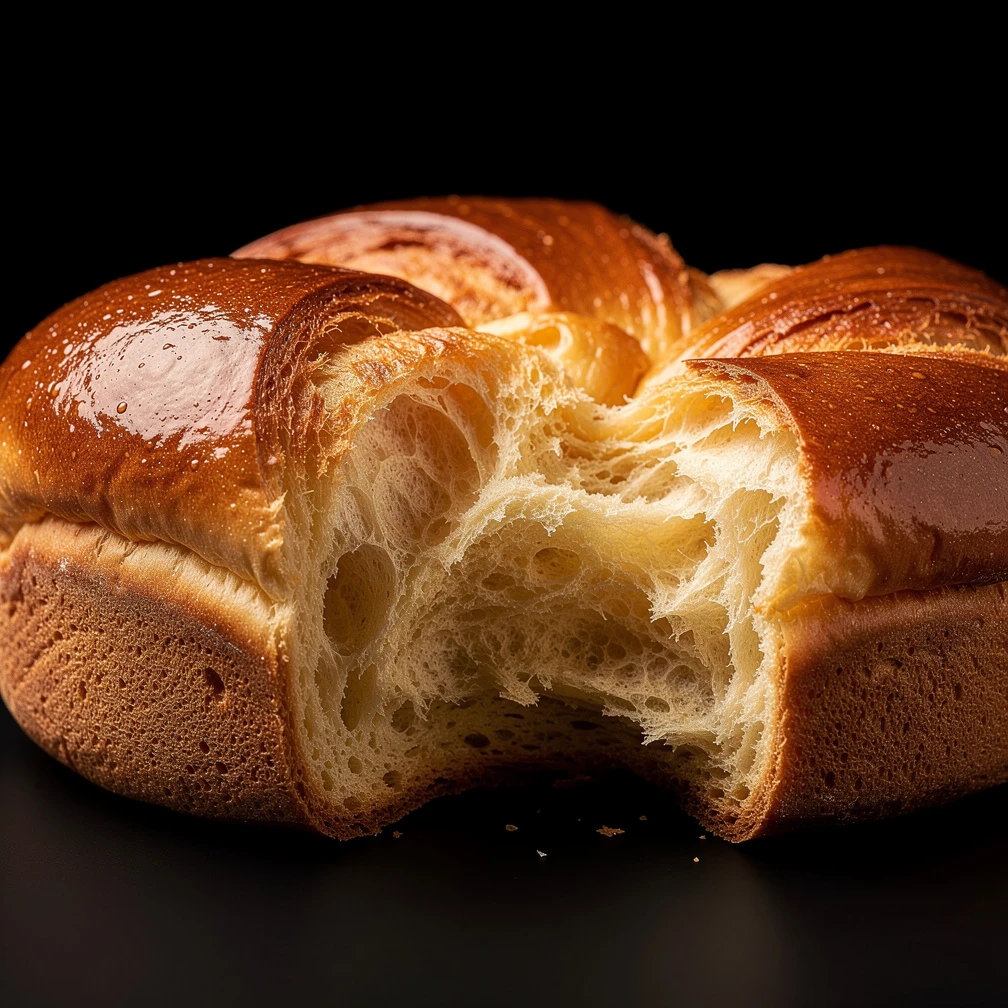
Character
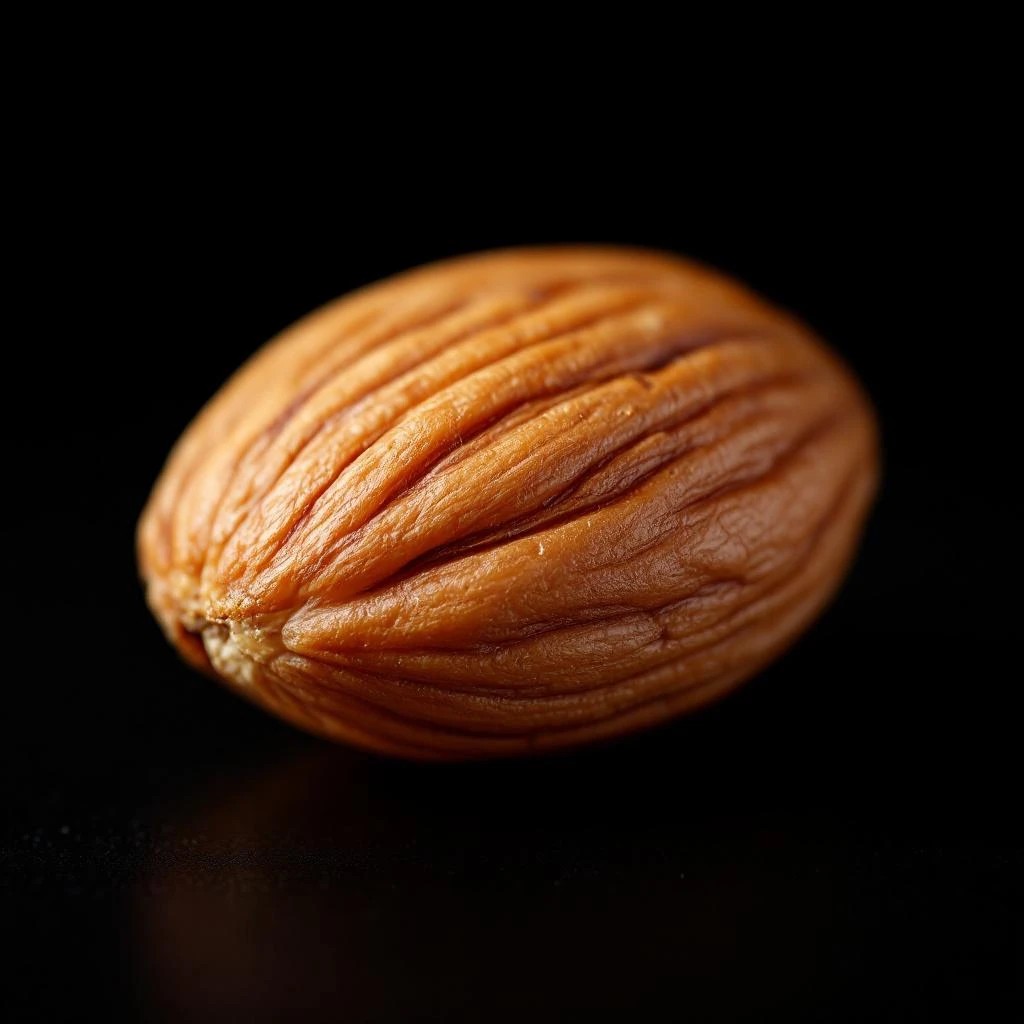
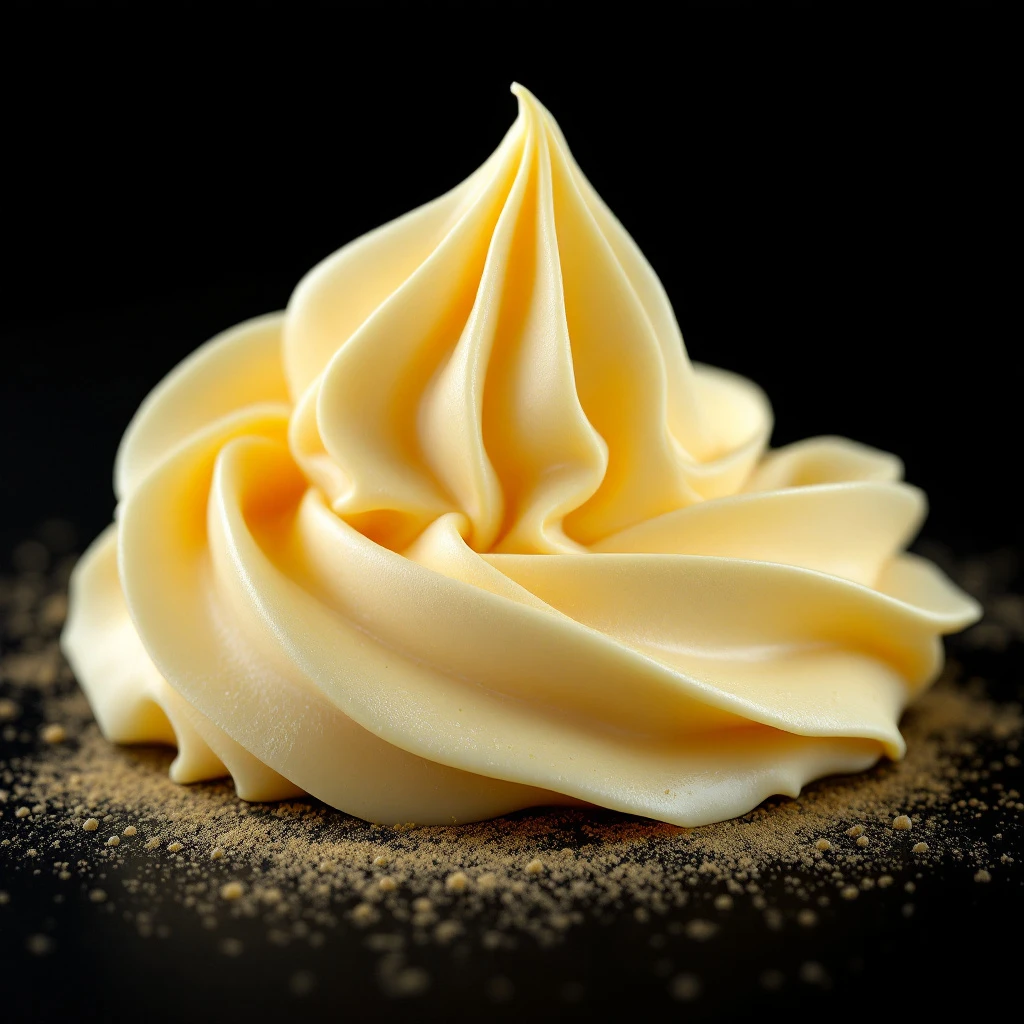
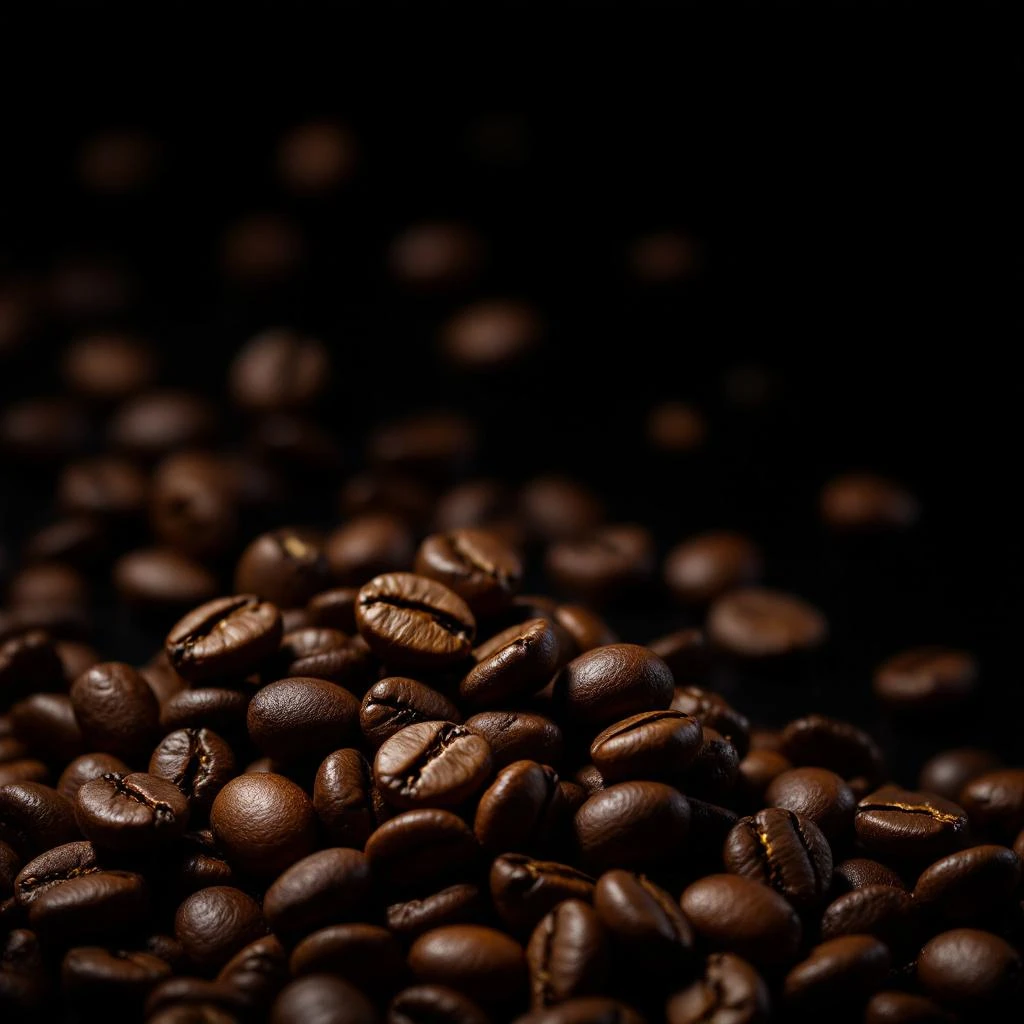
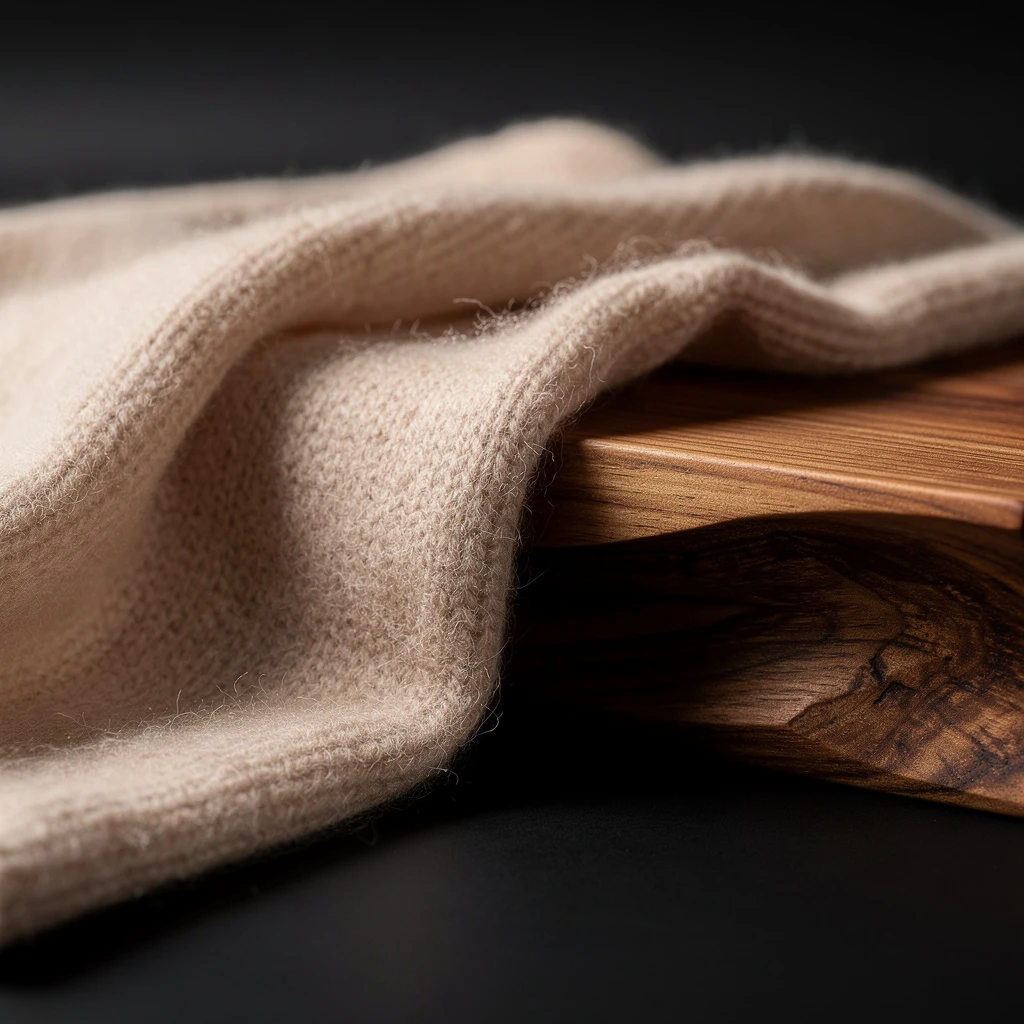
How it smells
Parisian breakfast, bottled.
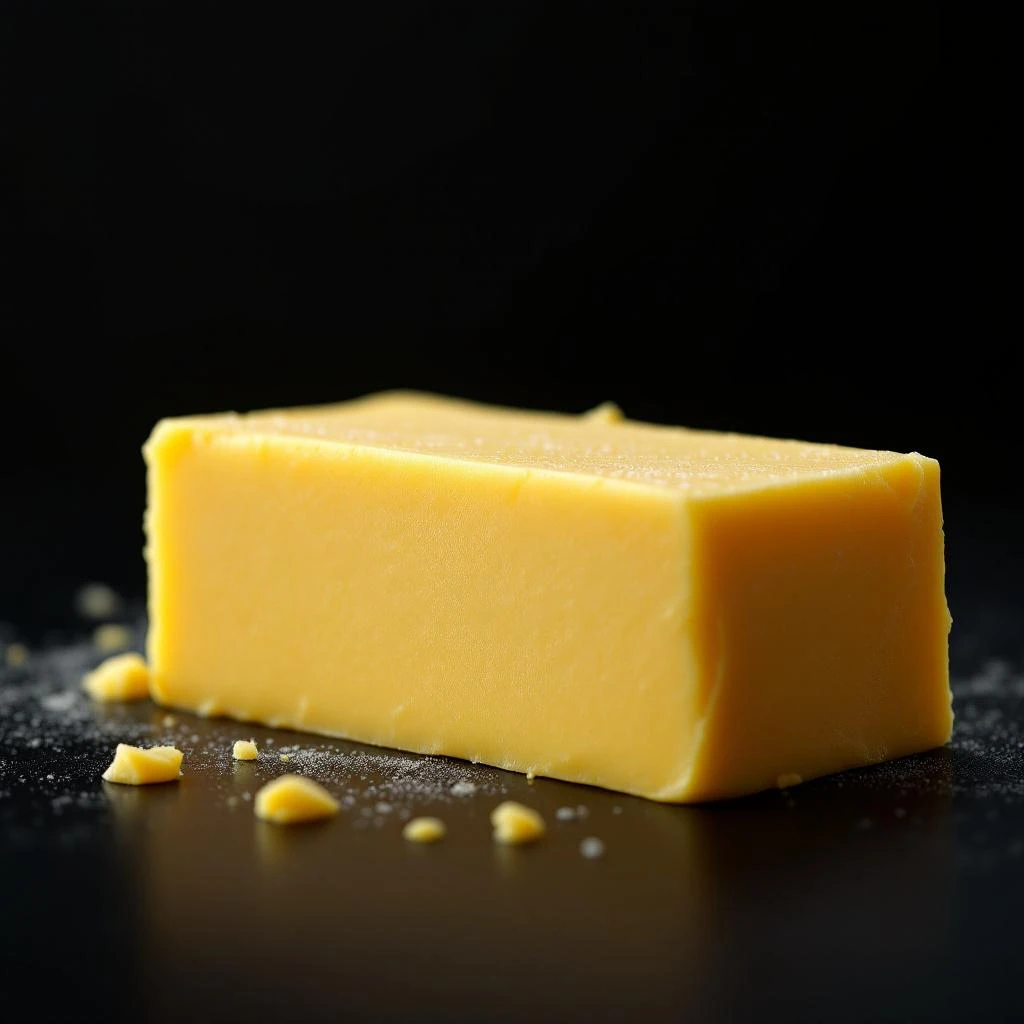
The molecule diacetyl, responsible for the characteristic buttery note in croissants, was first isolated from fermented malt and is also naturally present in ripe bananas and butter.


Origin
France
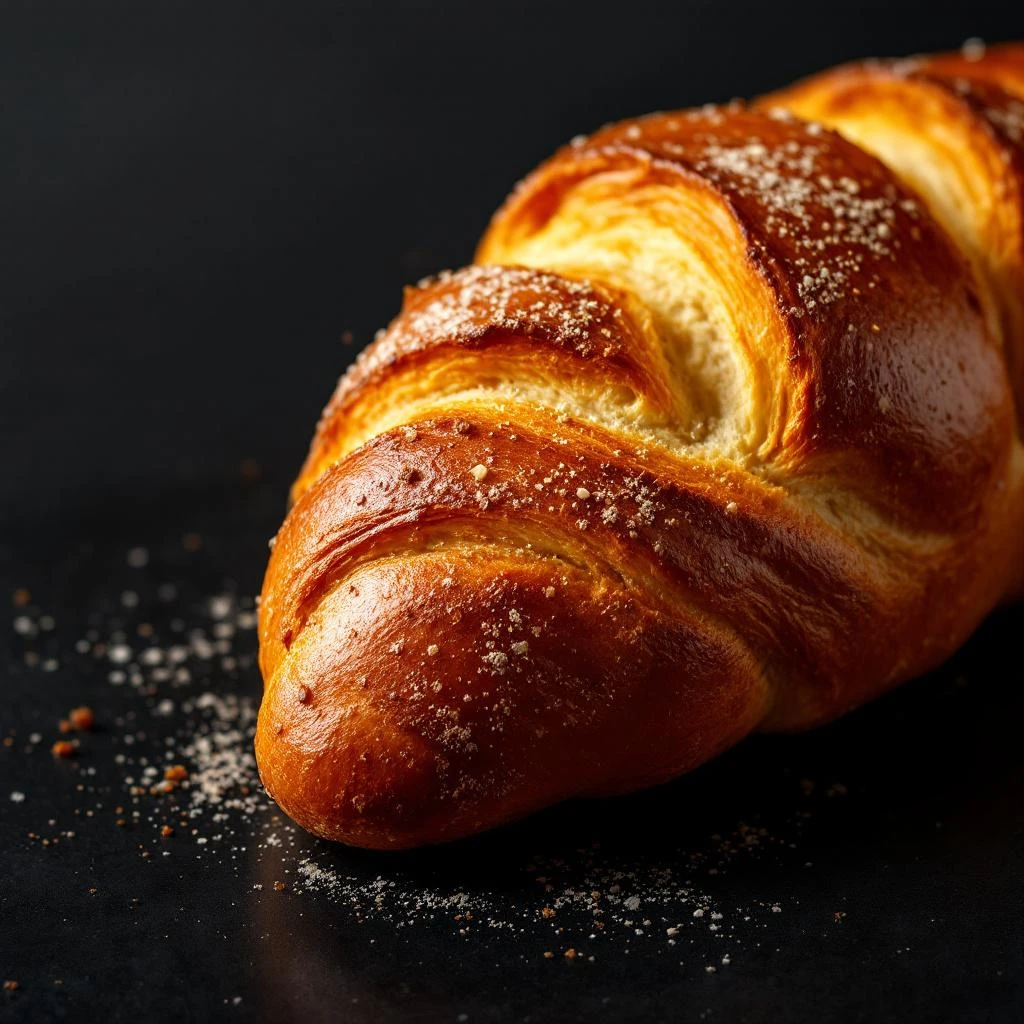
The croissant note emerged as a cultural marker in 2000s perfumery alongside the broader gourmand movement, when creators began treating edible imagery not as novelty but as serious artistic territory. French patisserie culture, specifically the ritual of morning croissant purchase at neighborhood boulangeries, became aspirational imagery for global consumers seeking comfort and sophistication in scent form.
This note draws from the French tradition of viennoiserie, the laminated dough technique brought from Vienna to Paris in the 19th century. Today croissant functions as a signature strand in modern fragrance, found everywhere from casual body mists to high-concept luxury perfumes.
Wears it best
Fragrances featuring Croissant
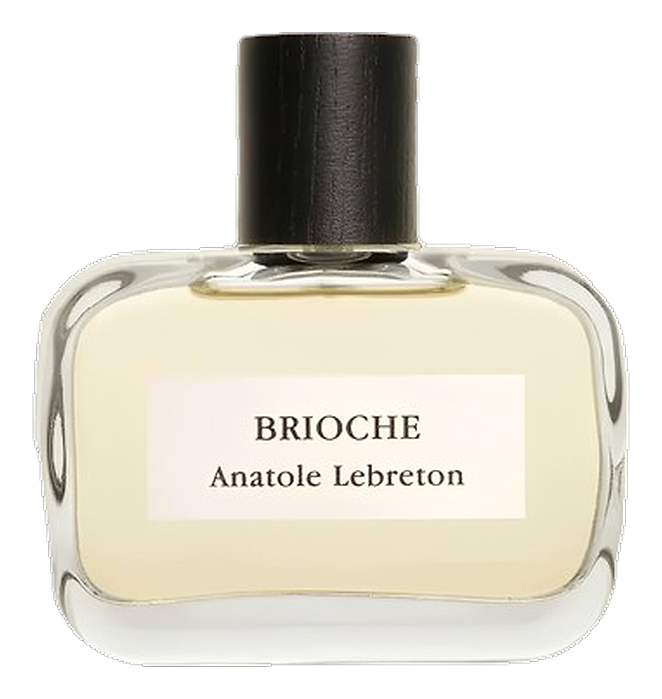
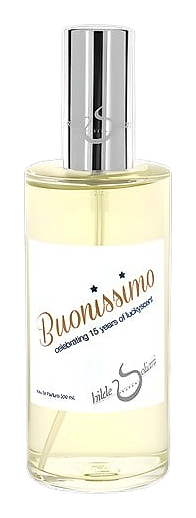
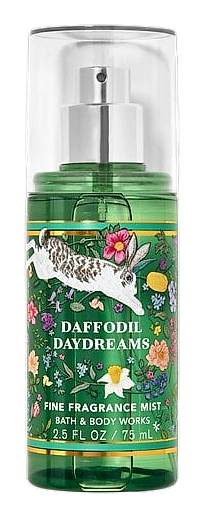
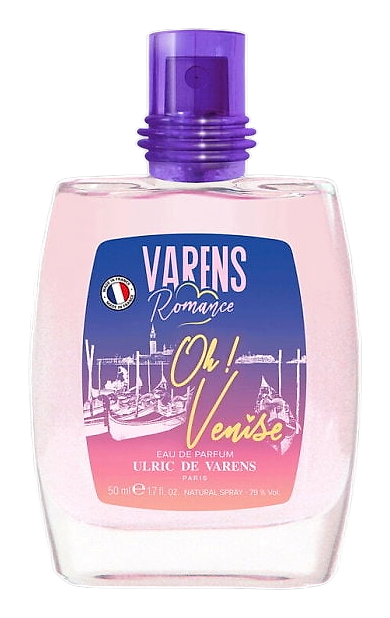
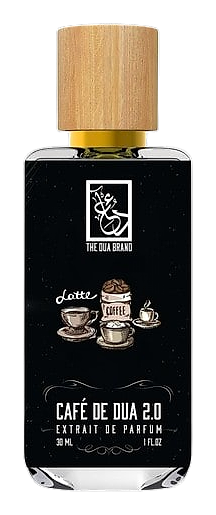
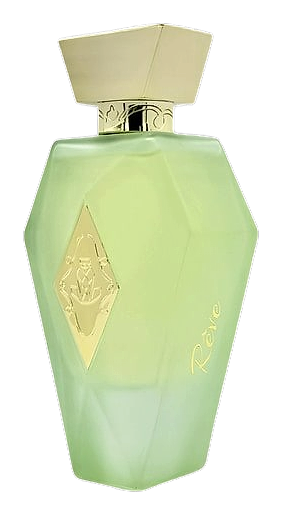
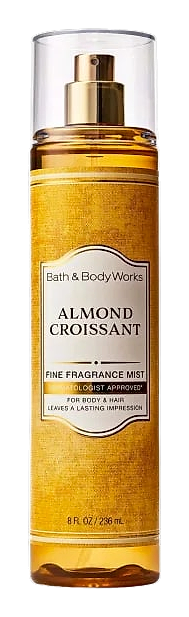
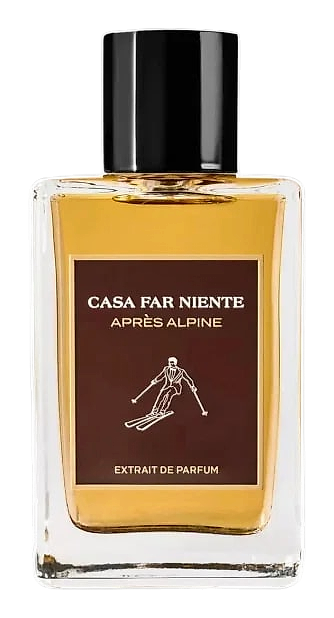
Brands
Brands known for Croissant
Good to know
Questions, answered
The essentials on Croissant in perfumery: how it smells, where it comes from, and how it behaves on skin.
Is croissant a natural or synthetic fragrance ingredient?
Croissant is a synthetic reconstruction in perfumery, built from aroma molecules like vanillin, diacetyl, and lactones to mimic baked pastry character. No single natural material captures this scent profile.
What does croissant smell like in a perfume?
Croissant reads as warm, buttery, and bakery-forward with an airy quality. It combines dairy richness, golden crust, and subtle sweetness into a comforting edible impression.
How long does croissant last on skin?
Croissant typically lasts 3-5 hours depending on formula concentration. The buttery facets fade first while vanillin and sweet undertones may linger in the drydown.
What fragrance families pair well with croissant?
Croissant bridges gourmand, oriental, and soft ambery fragrance families. Common pairings include vanilla, tonka bean, caramel, and warm woods like sandalwood.
Which perfumers are known for working with croissant notes?
Annick Goutal, L'Artisan Parfumeur, and Comptoir Sud Pacifique helped define the category. Each interpreted the concept through distinct lens ranging from floral-light to deeply resinous.
Can croissant exist in natural perfumery?
No equivalent natural material exists. Coconut oil absolute and Davana absolute contain nutty, pastry-like qualities, but a true croissant profile requires synthetic chemistry.
Is croissant a top, heart, or base note?
Croissant most commonly appears as a heart note for immediate impact, though perfumers sometimes position it as a bridge between opening aldehydes and warm base accord.
Does croissant smell different across perfume brands?
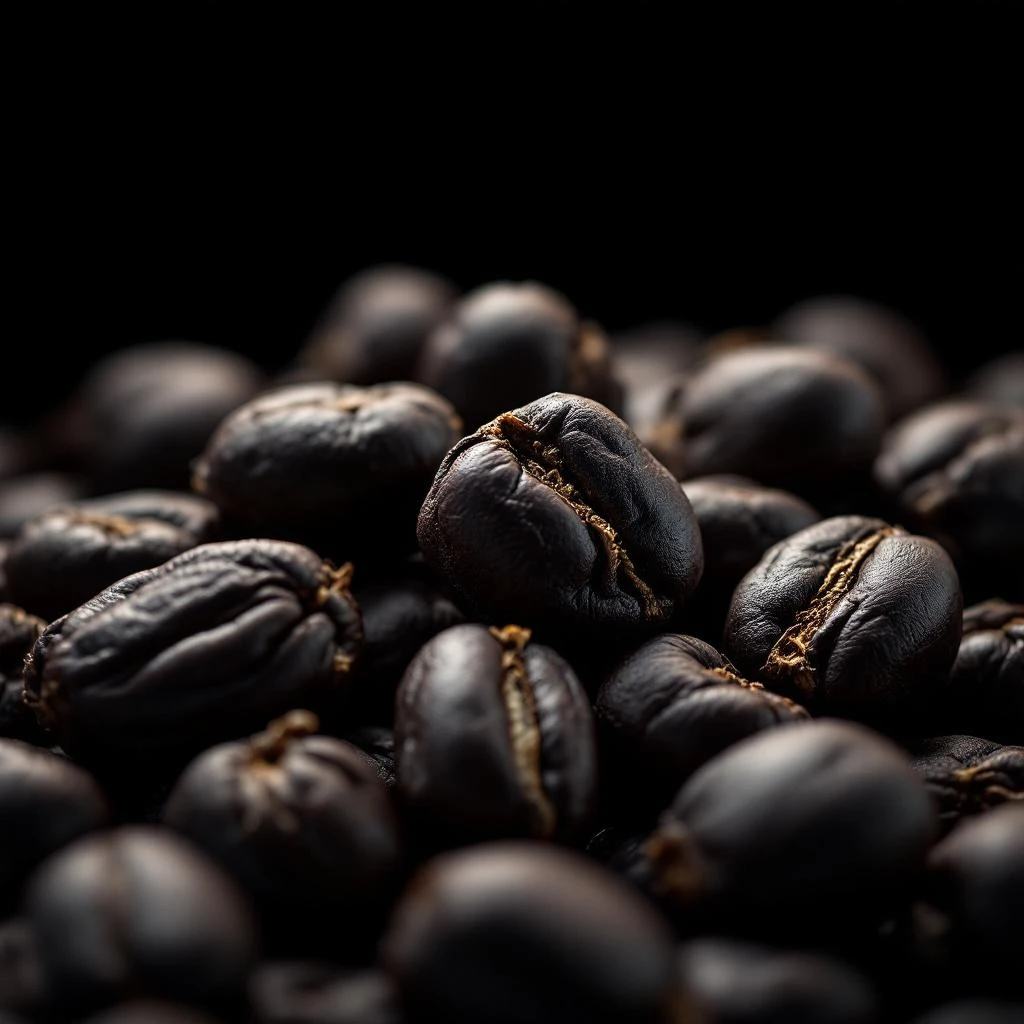
Yes. Linear executions smell buttery and close to actual pastry. Complex constructions add nuances like orange blossom, coffee, or incense depending on the perfumer's vision.