Brioche
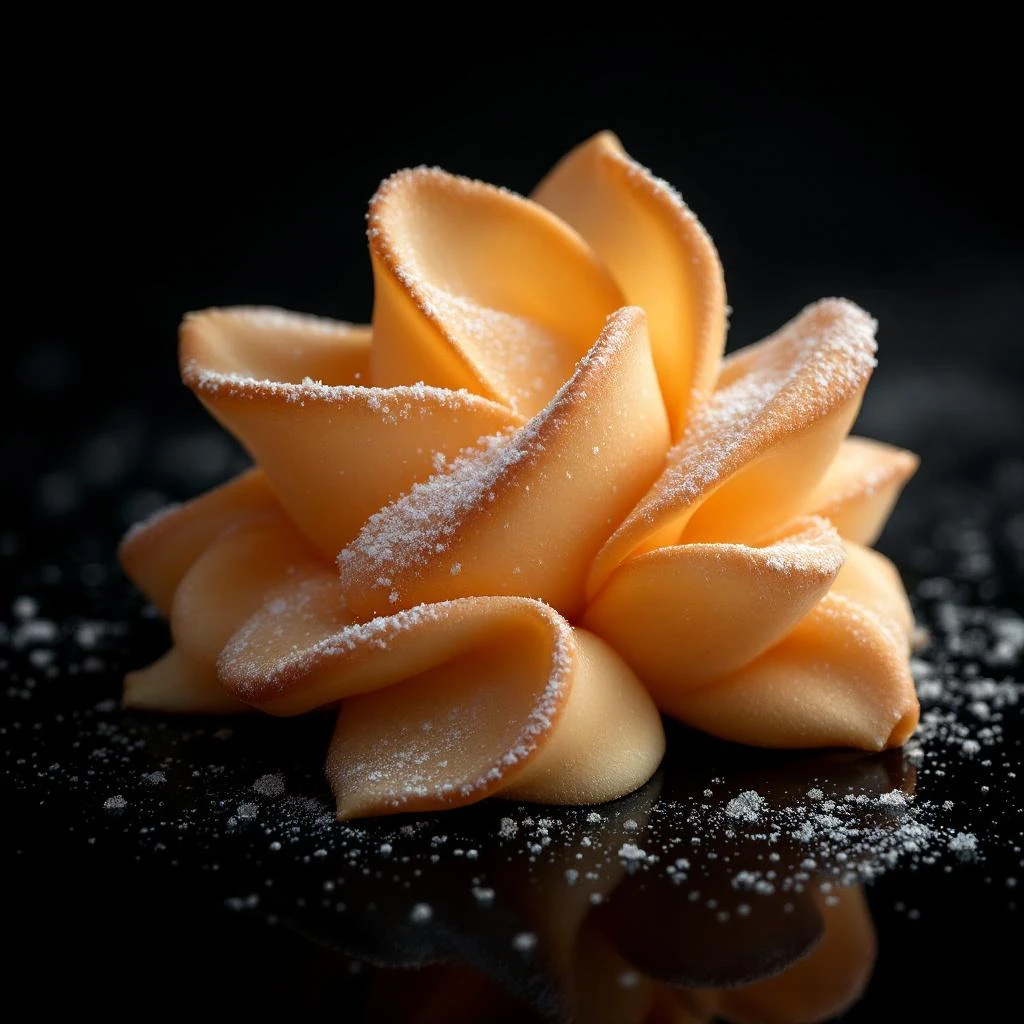
Brioche brings the warm, buttery scent of freshly baked bread to perfumery. This gourmand note adds comfort and edible richness to fragrance compositions.
Character
How it smells
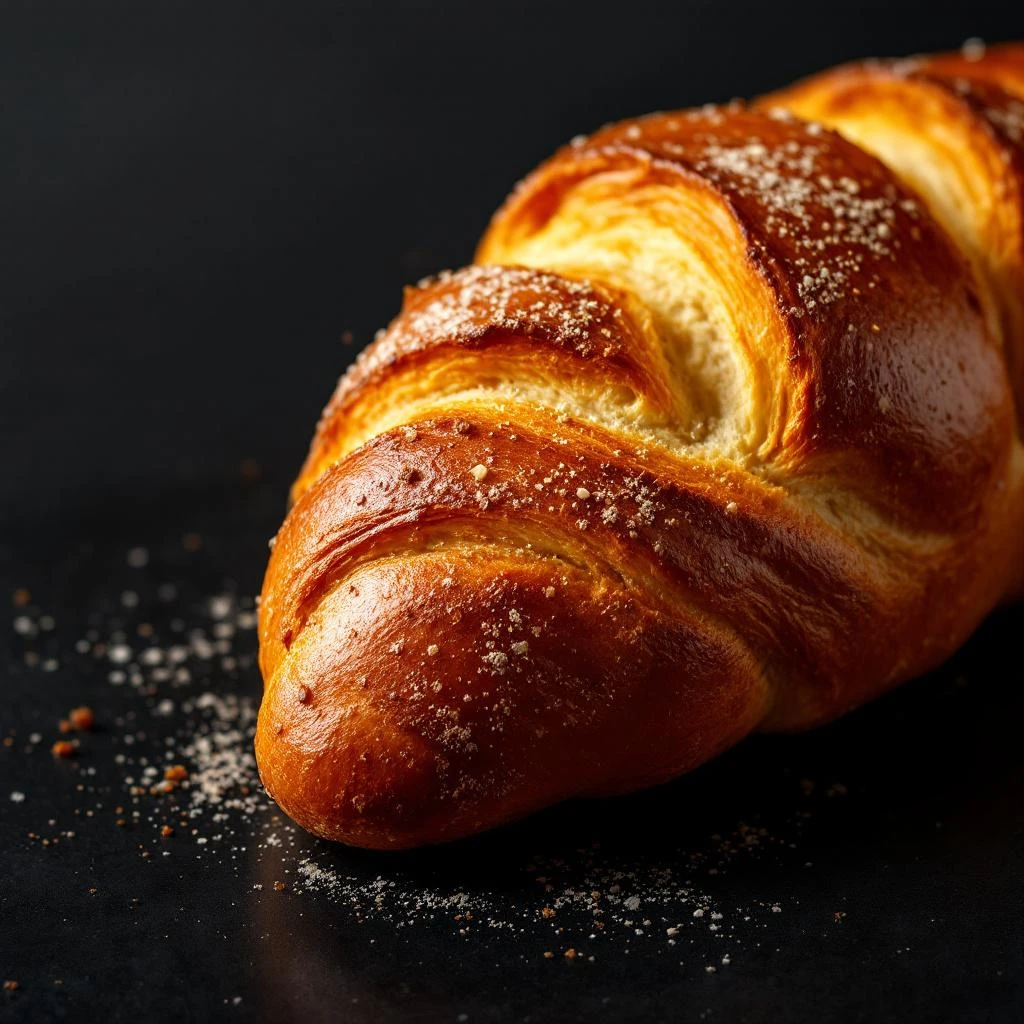
Buttery warmth, straight from the oven
Brioche enriches its flavor with eggs and butter, and perfumers recreate this same buttery warmth using synthetic aroma molecules.






Origin
France
Brioche the pastry traces back to 15th century France, with the earliest known recipe attributed to the city of Brie. The enriched bread, made with eggs, butter, and sometimes a touch of milk, became a staple of French patisserie and breakfast culture. Its entry into perfumery is far more recent, emerging alongside the gourmand fragrance movement of the 1990s.
The shift toward edible, comforting scent profiles gained momentum as perfumers began treating food aromas as legitimate artistic materials. Serge Lutens and Thierry Mugler pioneered compositions where dessert-like notes moved from novelty to sophisticated centerpieces. Brioche specifically became a way to convey not just sweetness, but the deeper warmth of fermentation, toasted crust, and slow oven heat.
Today the note appears in niche and mainstream compositions that aim for nostalgic comfort, bridging the sensory gap between kitchen and skin.
Wears it best
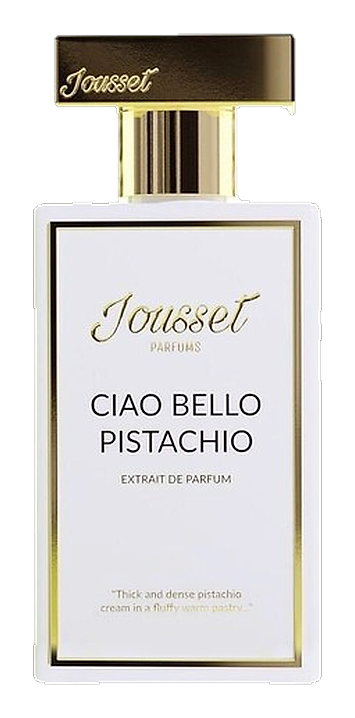
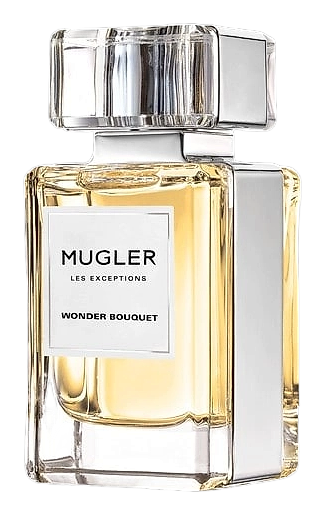
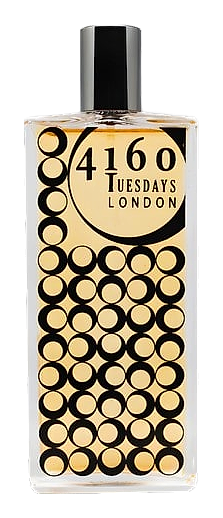
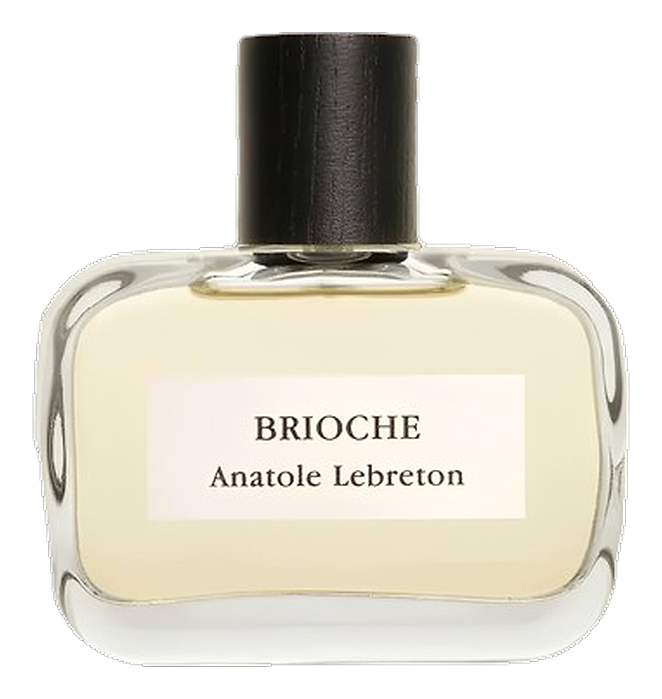
Fragrances featuring Brioche
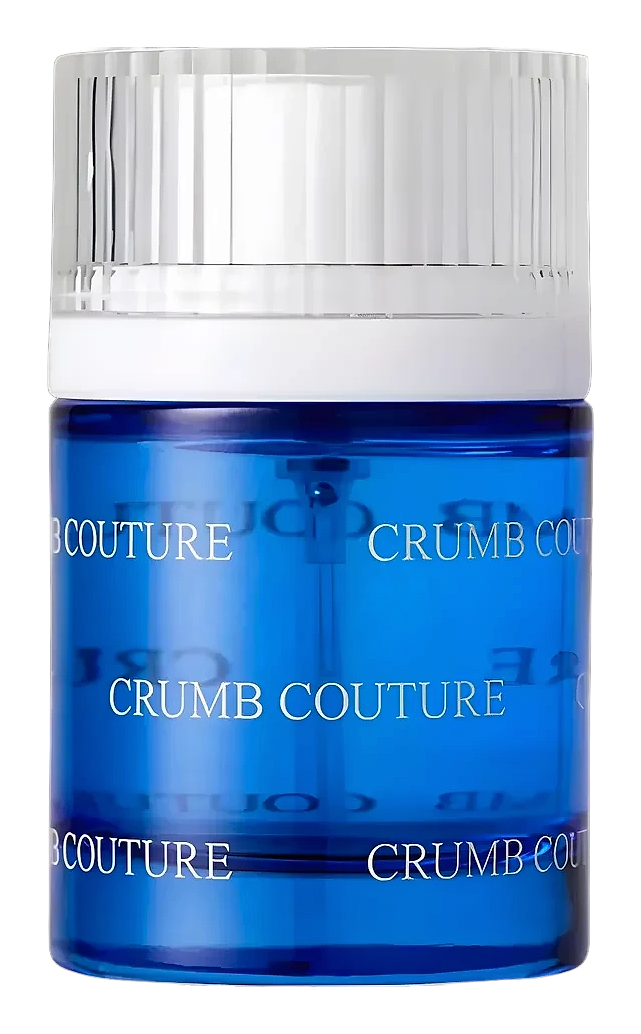
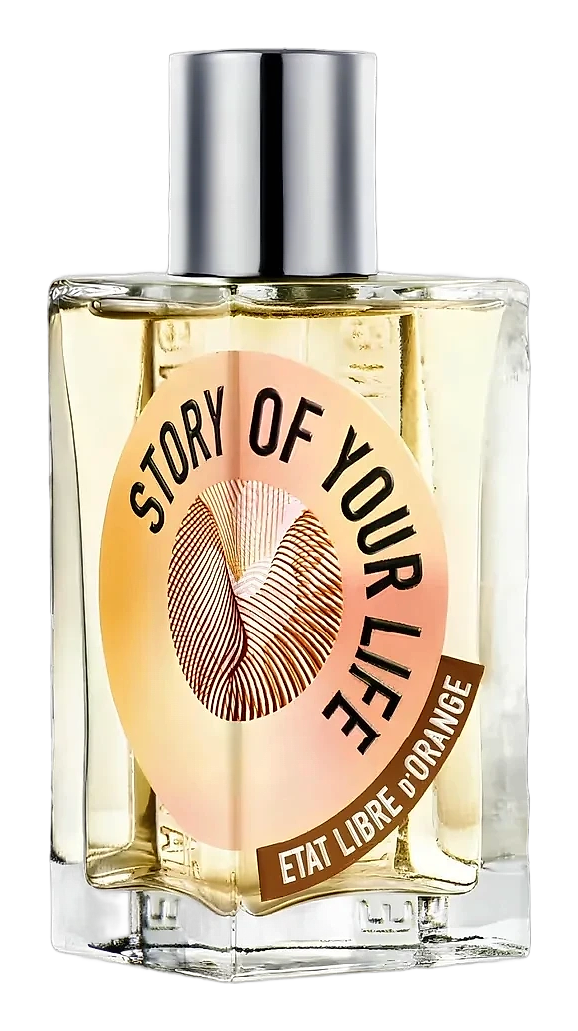
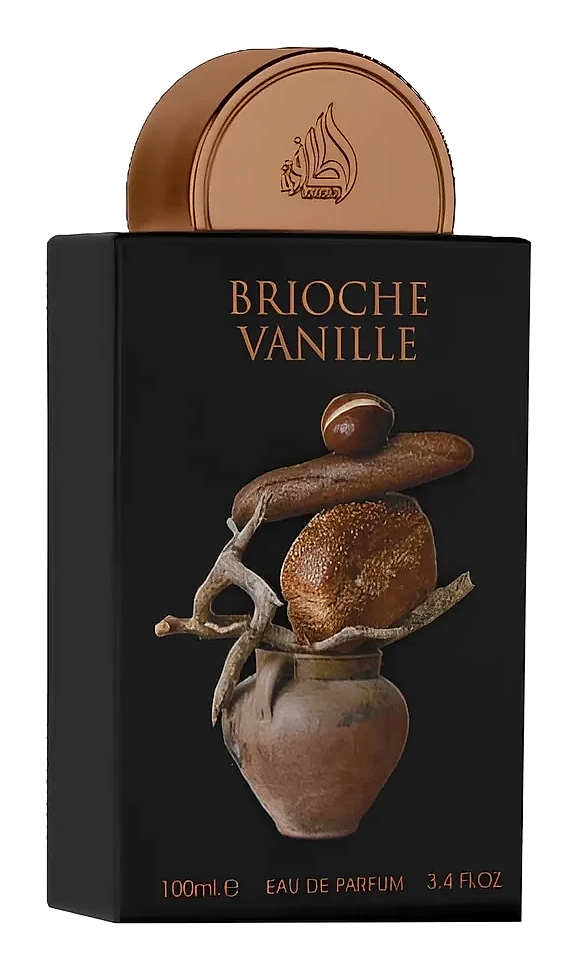
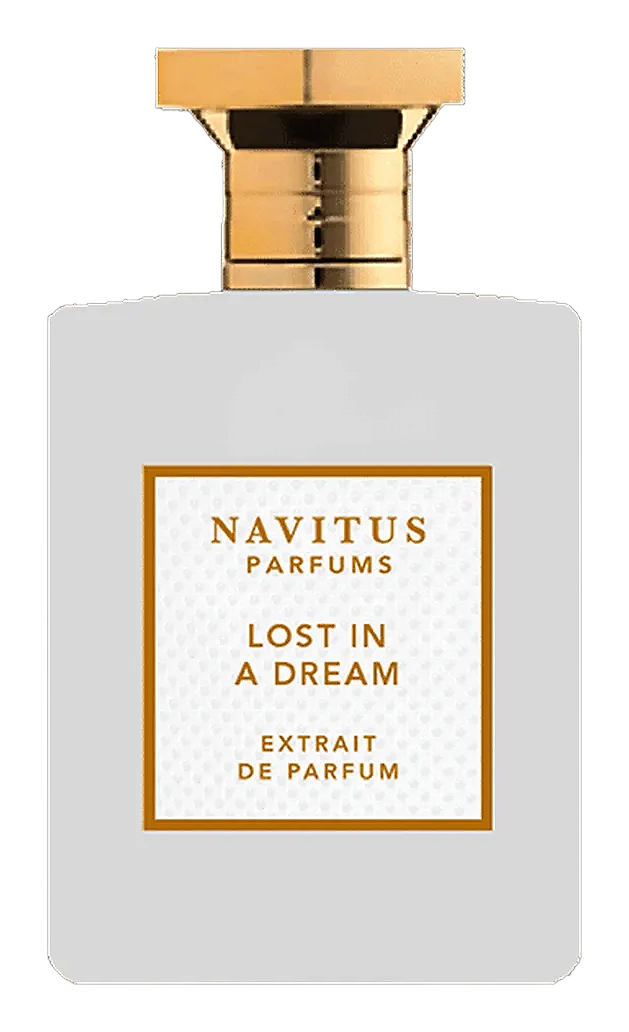
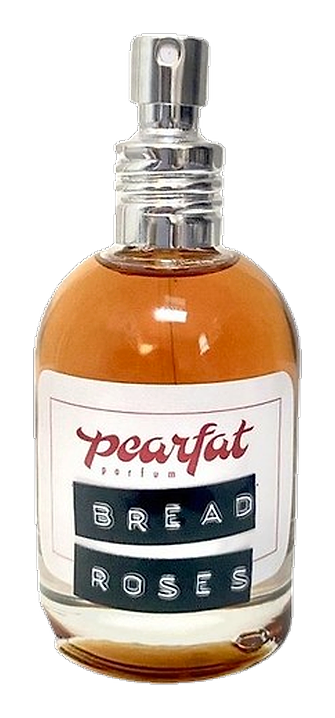
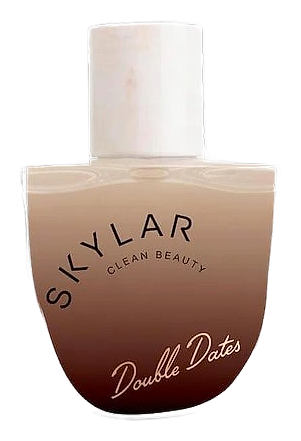
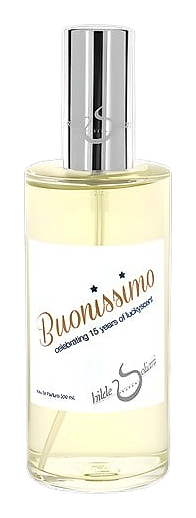
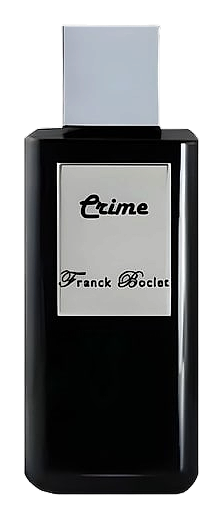
Brands
Brands known for Brioche
Good to know
Questions, answered
The essentials on Brioche in perfumery: how it smells, where it comes from, and how it behaves on skin.
What does brioche smell like in perfume?
Brioche in perfumery smells buttery, warm, and slightly sweet, like freshly baked enriched bread. It carries notes of toasted crust, soft dough, and a faint caramel warmth. The effect is comforting and edible, often used to create a feeling of cozy nostalgia.
Is brioche a natural or synthetic fragrance ingredient?
Brioche is produced synthetically in perfumery. No actual bread is distilled or extracted. Instead, perfumers blend aroma chemicals such as diacetyl, pyrazines, vanillin, and coumarin to reconstruct the warm, buttery impression of fresh-baked brioche.
When did gourmand notes like brioche become popular in perfume?
Gourmand fragrance notes surged in popularity during the 1990s. This shift is most commonly credited to the 1992 launch of Angel by Thierry Mugler, which opened a new category of edible, dessert-inspired compositions that included warm, bread-like accords.
Where did the pastry brioche originate?
Brioche originated in France, with the earliest recorded recipe dating to the 15th century. The name is often linked to the Brie region, though some historians dispute that etymology. The enriched dough became a defining feature of French breakfast culture.
What other notes pair well with brioche?
Brioche pairs naturally with vanilla, caramel, tonka bean, and honey for sweetness. For added warmth, perfumers blend it with cinnamon, almond, or toasted hazelnut. It also complements amber, benzoin, and soft musks that extend its comforting character on skin.
Can brioche be extracted from the actual pastry?
Brioche cannot be extracted from real baked goods. Bread lacks sufficient volatile oils for traditional distillation, and its proteins and starches would clog equipment. Perfumery relies entirely on synthetic reconstruction to capture the scent.
What type of fragrance uses brioche most often?
Brioche appears most often in gourmand and oriental fragrance families. It serves as a comforting base or heart note in compositions designed to evoke warmth, sweetness, and indulgence. Niche houses particularly favor it for nostalgic, food-inspired creations.
Is brioche safe to wear for people with wheat or gluten sensitivities?
Yes, brioche in fragrance poses no risk to people with wheat or gluten sensitivities. The note is constructed entirely from synthetic aroma molecules, not from any cereal grain. No wheat proteins or gluten-containing material enters the final composition.