
The Story
Why it exists.
The beginning
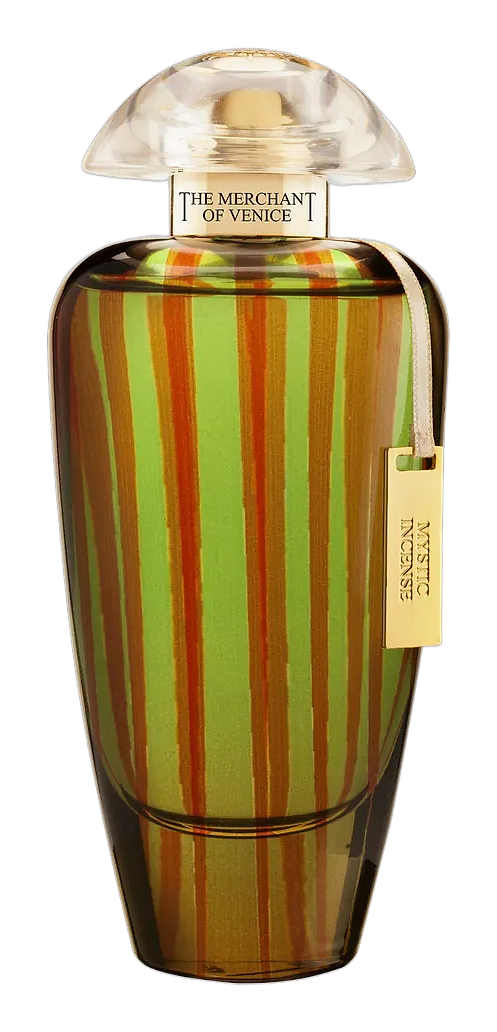
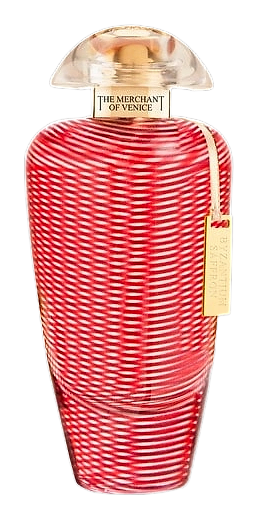
Byzantium Saffron draws from a legend older than Venice itself. The Greek myth of Crocus and Smilax, a love story so consuming that the gods transformed the lovers into flowers, gave The Merchant of Venice its narrative anchor. Saffron, said to spring from where Crocus fell, carries that mythic weight into the bottle. The 2013 release arrived as part of the Murano Collection, where Venetian glassmaking tradition meets global olfactory craft. Indonesian patchouli grounds the narrative in the East's aromatic heritage, while the brand's Rialto-descended sensibility shapes everything that follows.
What distinguishes this composition is the tension between assertion and softness. Saffron typically demands attention through warmth or sweetness, here, it arrives sharp, almost clinical, before the white suede accord softens the blow. That juxtaposition of metallic brightness against powdery leather is unusual in oriental perfumery, where saffron often serves as a bridge between spice and sweetness rather than a statement on its own. The heart introduces florals, white lily, lilac, that read more as atmospheric than floral. Rhubarb adds a tartness that keeps the middle from becoming predictable.
The evolution
The opening announces itself without apology. Greek saffron hits first, metallic, almost saline, followed by black pepper's warmth and thyme's herbal edge. A flicker of lemon keeps it bright for the first fifteen minutes. Then the composition shifts. White suede emerges around the 20-minute mark, taking the sharp edge off everything. The florals, white lily, lilac, arrive quietly, almost grudgingly, as if the fragrance is embarrassed to admit tenderness. The rhubarb adds a tartness that keeps the heart from becoming soft. By hour three, patchouli and crystal amber have settled in. The sillage moderates. The fragrance becomes intimate, close, something the wearer notices more than the room. This is when Byzantium Saffron earns its reputation, in the hours when it stops performing and starts belonging.
Cultural impact
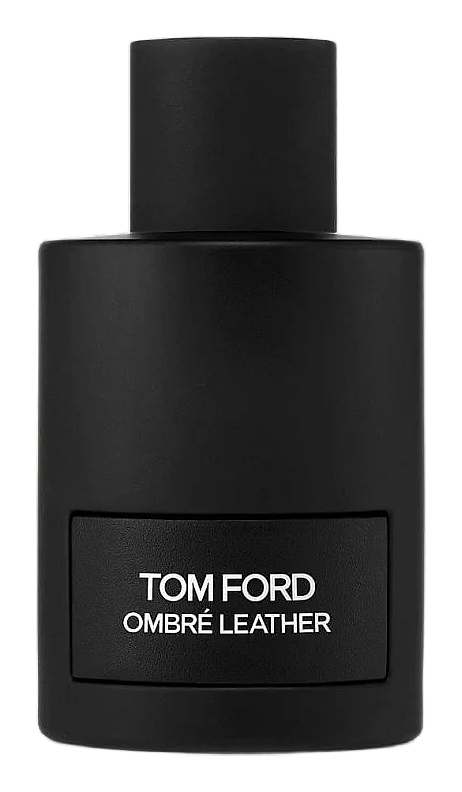
Since its 2013 debut, Byzantium Saffron has found its audience among wearers who want a saffron fragrance with real character, not safe, not predictable. Community reviews note its distinctive metallic quality, solid longevity, and the unexpected softness of the suede-floral heart. It sits alongside leather-forward orientals like Ombré Leather and Tuscan Leather but carves its own space through that white suede accord and the gentler, more romantic quality it lends the composition.