
The Story
Why it exists.
The beginning
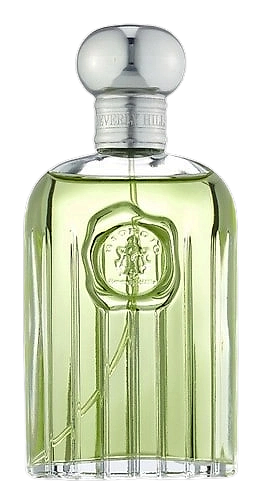
Gentleman arrived in 1975, composed by Paul Léger for a man the world was still figuring out. The 1970s demanded ambiguity, oil crises, cultural shifts, the slow collapse of old certainties. Givenchy's response was a fragrance that refused to pick a side. It opened like an herb garden in direct sunlight, all tarragon and cinnamon's heat, but the architecture underneath was built from leather and vetiver. Not clean. Not soft. Something with weight and intention.
What makes the structure unusual is how the leather doesn't wait. Where most fragrances let the base notes arrive fashionably late, Russian leather in Gentleman announces itself early and stays. The Indonesian patchouli and Haitian vetiver don't soften it, they deepen it. The composition has an earthy, almost animalic quality that modern perfumery has largely sanded away. This is what 1975 smelled like when it wanted to mean something.
The evolution
The opening hits in under a minute. Cinnamon's sweetness paired with tarragon's green bite, an unexpected combination that reads as both fresh and authoritative. Within twenty minutes, the leather arrives. It doesn't compete with the spices; it replaces them, settling over the skin like a second layer. The vetiver keeps things smoky and grounded. By hour three, the patchouli has fully opened, adding a dark, almost mushroom-like earthiness. By hour six, you're left with leather and vetiver, clean smoke and animal warmth, intimate and lasting. On fabric, it lingers into the next day.
Cultural impact
Gentleman has quietly persisted since 1975, not as a relic, but as a reference point. Wearers return to it decades later, often discovering their fathers or grandfathers wore it. It occupies a particular space in masculine fragrance history: the moment before aromatics became safe, before leathers became polished, when men's scents still had something to prove.