Grape leaf
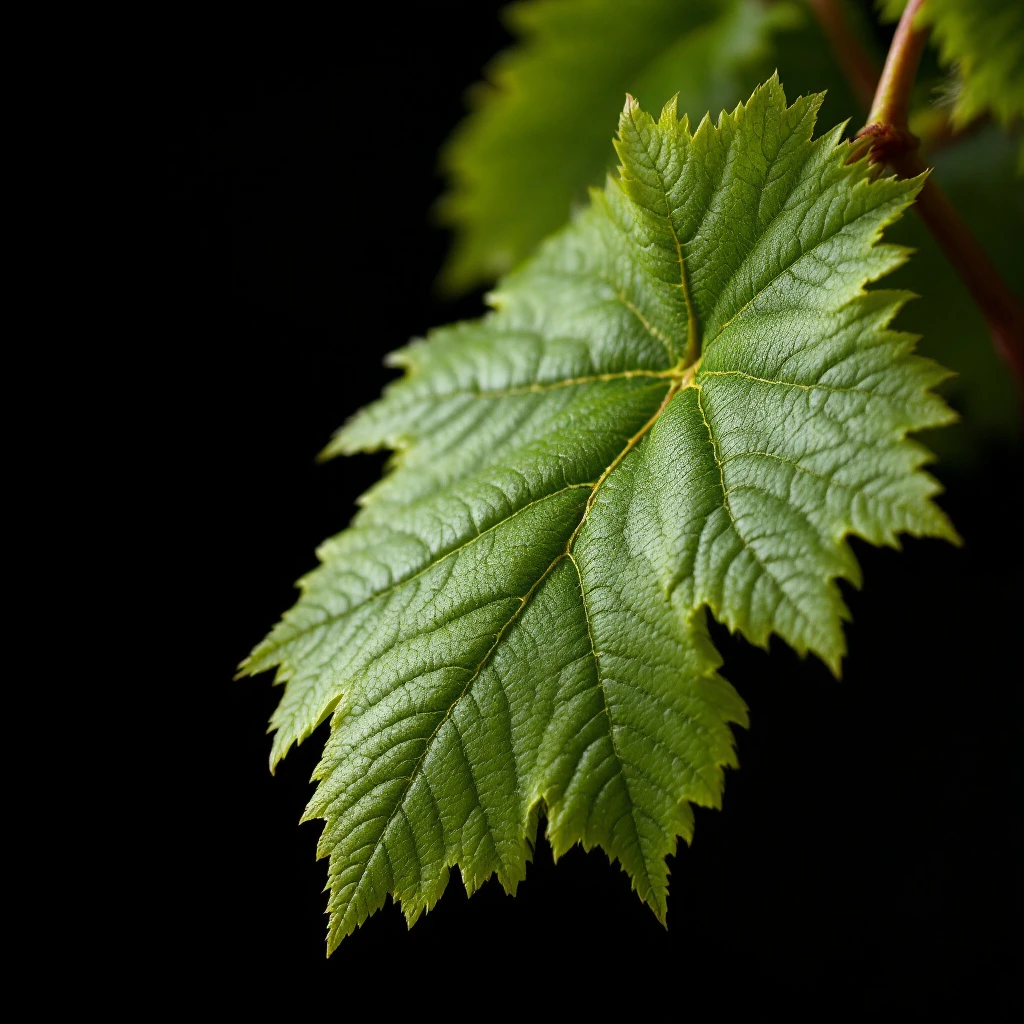
Grape leaf adds crisp, green freshness to fragrances, capturing the scent of crushed leaves in a vineyard at dawn—dewy, slightly bitter, undeniably alive.
Character
How it smells
The living green of the vineyard, captured in a bottle
No standardised grape leaf essential oil exists. Perfumers reconstruct this note using synthetic green-leaf molecules like cis-3-hexenol—the same compound that gives freshly cut grass its scent.







Origin
France
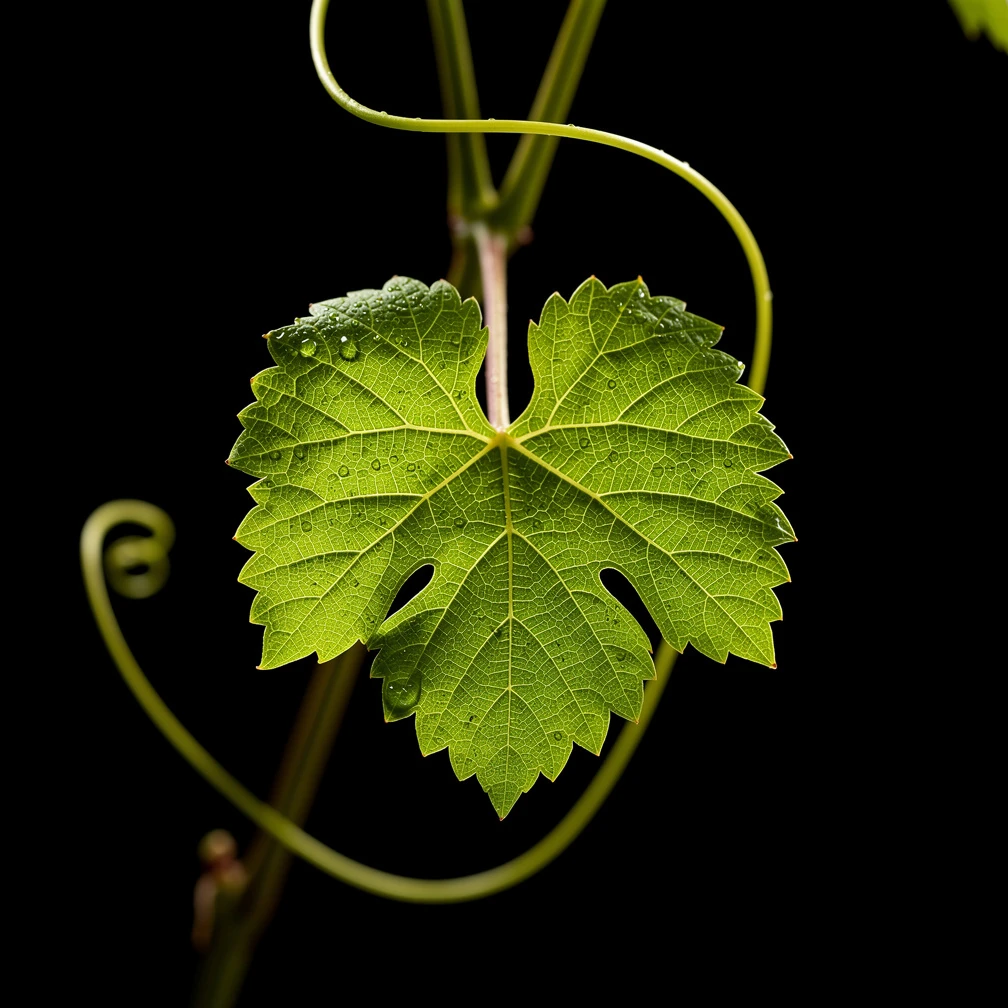
Grapes entered perfumery through ancient Egypt, where artisans used the fruit in religious ceremonies and daily cosmetics. The Egyptians worked with Vitis vinifera, the common grapevine, which grew abundantly along the Nile. While they focused primarily on the fruit, they likely encountered the leaf during processing, introducing green notes to early formulations.
French perfumers in Grasse later advanced botanical extraction during the 18th and 19th centuries but never established grape leaf as a standard material—there was simply no reliable method to extract its scent consistently. Modern perfumery solved this problem by identifying and synthesizing the key aroma compounds. Today, grape leaf appears as a deliberate green note in fragrances, from summery colognes to complex chypres.
The ingredient connects ancient traditions with contemporary creativity, proving that even parts of a plant once overlooked can find their place in modern fragrance.
Wears it best
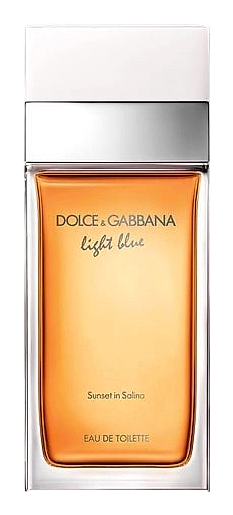
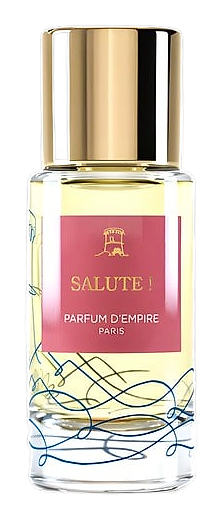
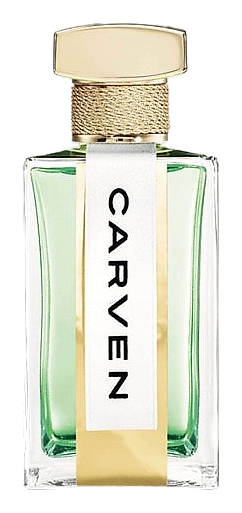
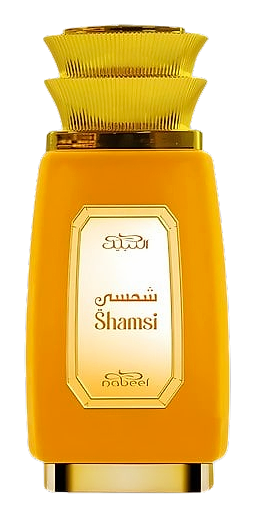
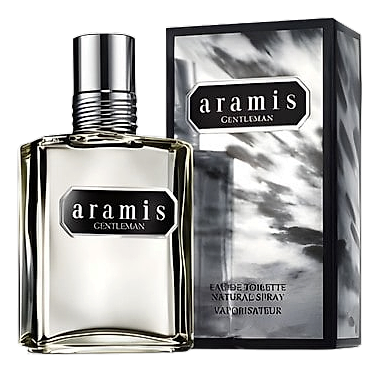
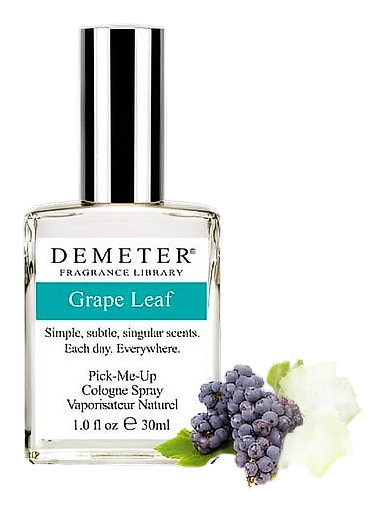
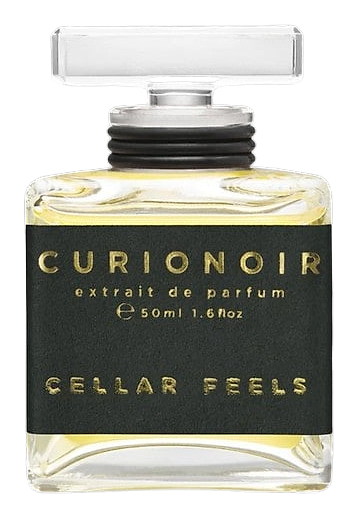
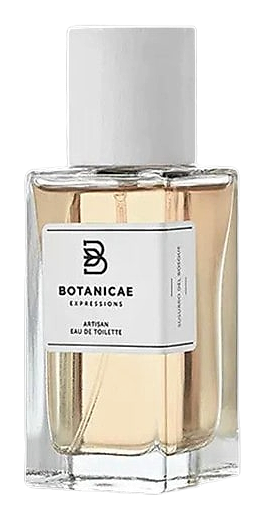
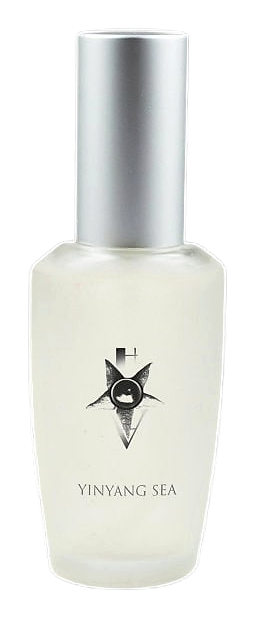
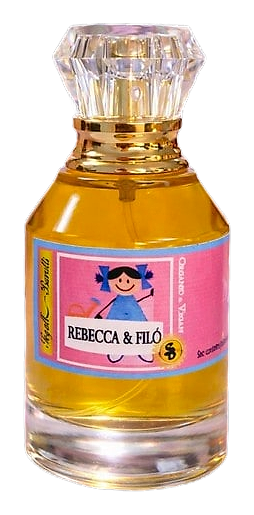
Fragrances featuring Grape leaf

Brands
Brands known for Grape leaf
Good to know
Questions, answered
The essentials on Grape leaf in perfumery: how it smells, where it comes from, and how it behaves on skin.
Is grape leaf a natural perfume ingredient?
No. No standardised grape leaf essential oil exists for perfumery. Perfumers reconstruct the note using synthetic green-leaf molecules that mimic the scent of crushed vine leaves.
What creates the grape leaf scent in fragrance?
The primary compounds are cis-3-hexenol (the cut-grass molecule) and cis-3-hexenyl acetate, which adds a leafier, slightly fruity quality to the composition.
What does grape leaf smell like?
It smells like crushed green leaves—fresh, slightly bitter, watery, and alive. Think of the scent when you crush a vine leaf between your fingers on a damp morning.
Is grape leaf used in niche or mainstream fragrances?
Both. Niche houses often feature it as a signature green note. Mainstream fragrances use it as a supporting element in aquatic, chypre, and summer compositions.
Does grape leaf appear in cosmetic products?
Yes. Vitis vinifera leaf extract appears in approximately 80 cosmetic formulations, including skincare products, according to published research.
Can I make grape leaf extract at home?
No. Without professional equipment and expertise, reliable extraction is not feasible. The grape leaf note in perfumery requires synthetic reconstruction using isolated aroma compounds.
What type of fragrance uses grape leaf?
Grape leaf works as a supporting green note in summer fragrances, chypres, and some aquatic compositions. It adds freshness without the bitter intensity of other green ingredients.
How does grape leaf differ from other green notes?
Grape leaf is softer and more watery than galbanum or crushed herbs. It conveys the feeling of a living vine rather than wilted foliage—gentle, natural, and unmistakably green.