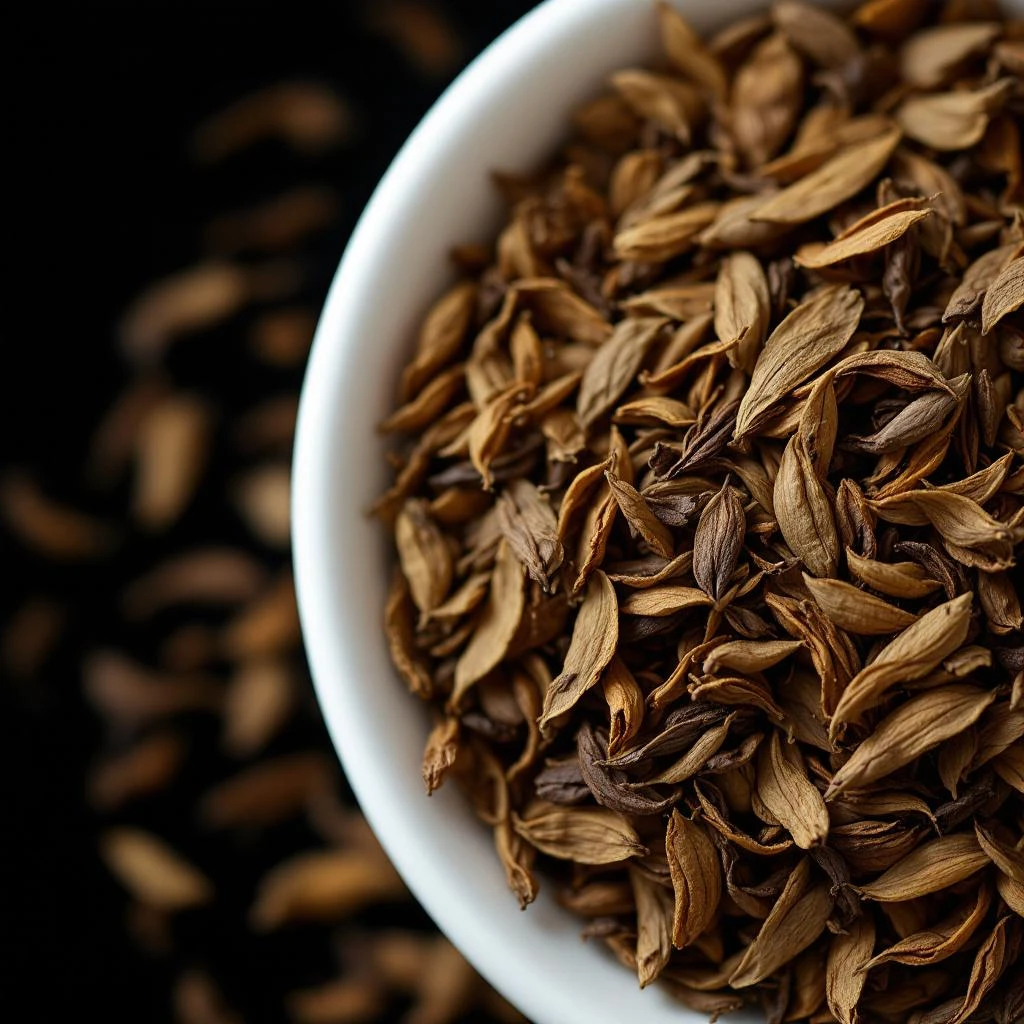
Vine
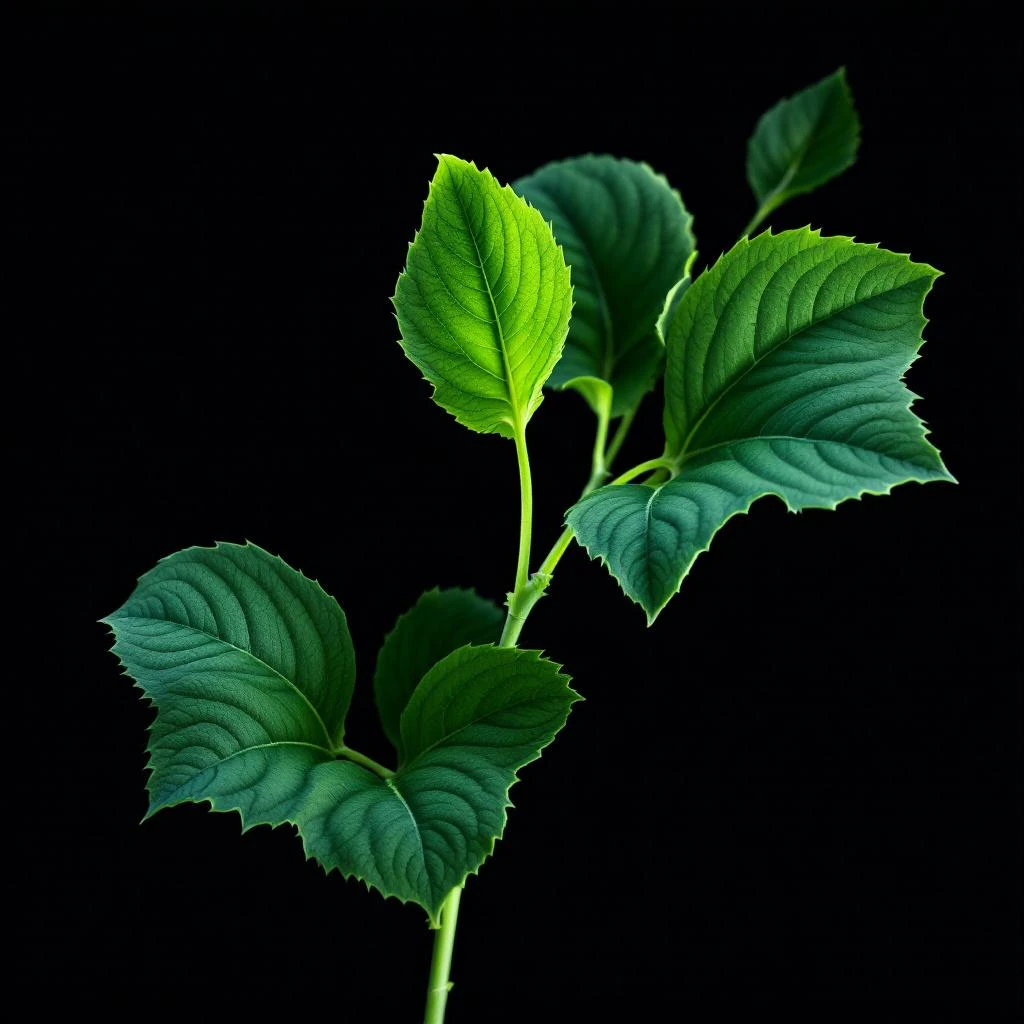
Vine materials in perfumery, primarily ivy absolute and green vine extracts, provide fresh, verdant character. These ingredients function as heart notes, lending fragrances a natural green quality reminiscent of crushed leaves and morning dew. Used sparingly, vine notes anchor compositions in botanical authenticity.
Character
How it smells
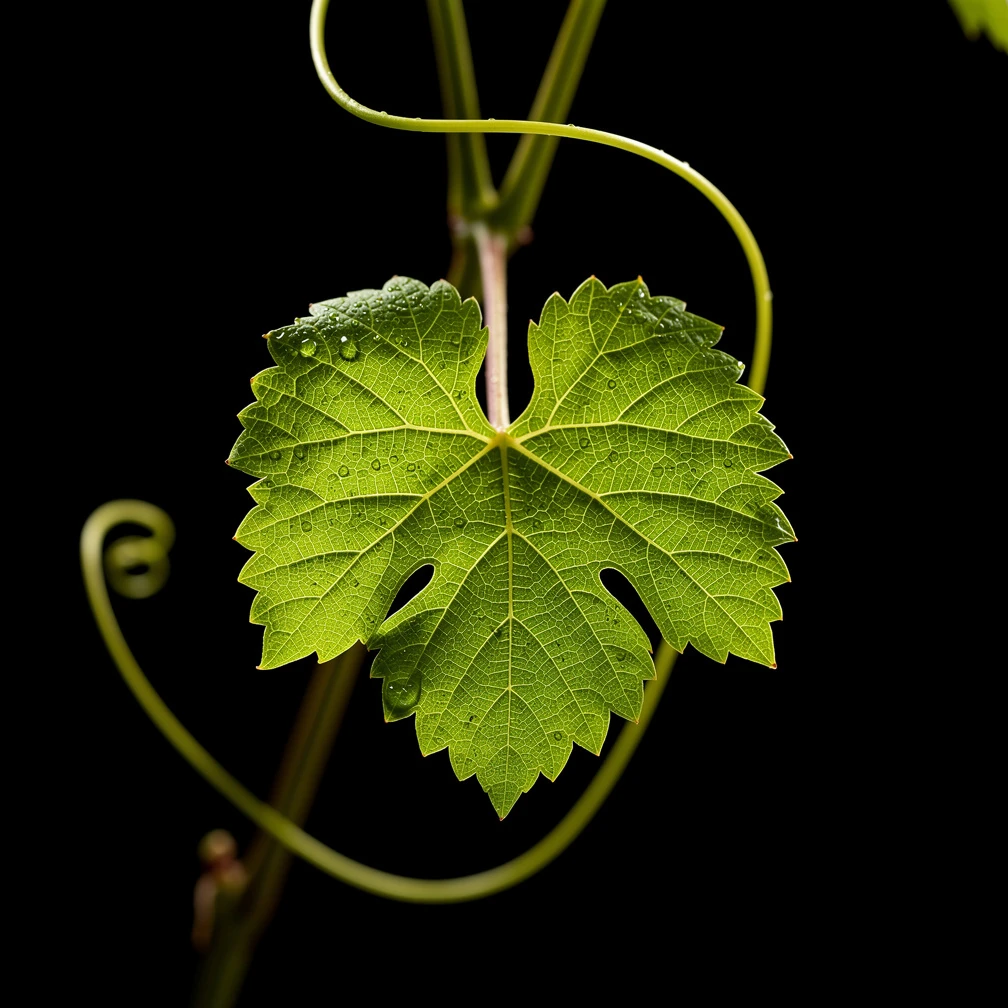
Green verdant whispers of crushed leaves and morning fields
Ivy was once considered a symbol of fidelity in ancient Greece, woven into wreaths for newlyweds, and remains one of the least commonly used naturals in modern perfumery.








Origin
France
Climbing vines have held cultural significance across ancient civilizations, though ivy specifically earned reverence in Greek and Roman tradition. The plant was sacred to Dionysus and Bacchus, symbolizing eternal life and fidelity, woven into ceremonial wreaths and sacred garlands. Despite this prominence, vine materials took longer to enter perfumery compared to flowers and woods.
Historical perfumers focused primarily on flowers, resins, and woods, with vine notes emerging more prominently only in the 20th century as green and chypre families developed. Today, ivy absolute remains uncommon in commercial fragrances, typically appearing in boutique or niche compositions emphasizing botanical authenticity over mainstream appeal.
Wears it best
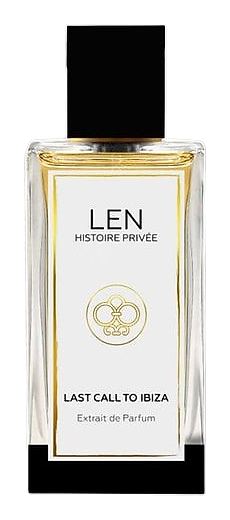
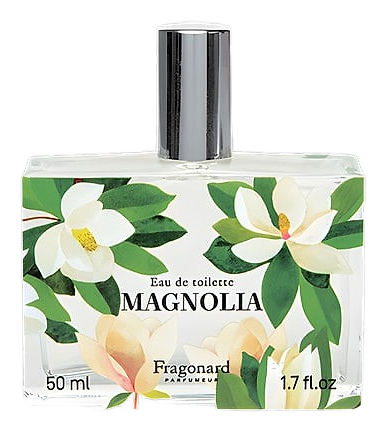
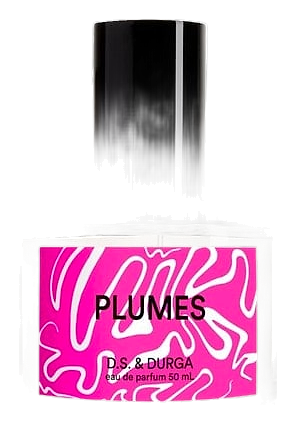
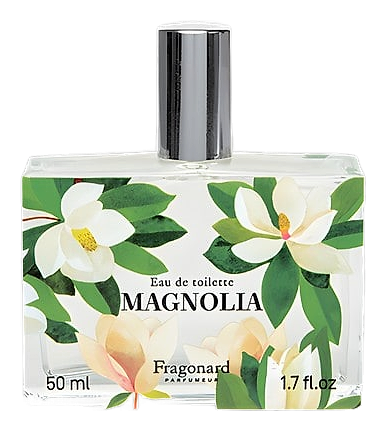
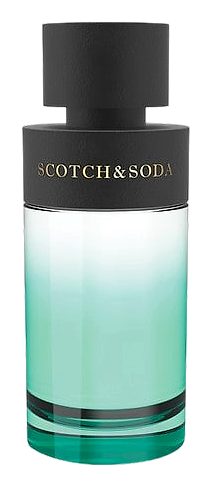
Fragrances featuring Vine
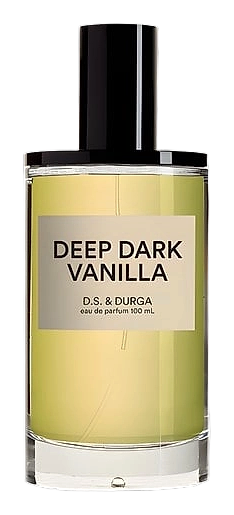
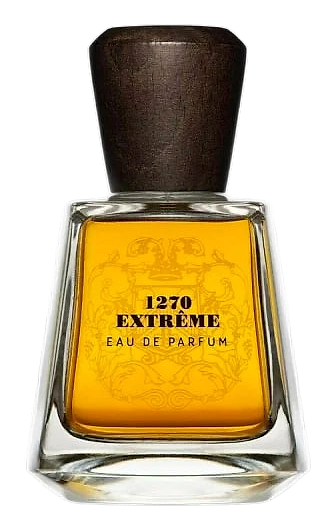
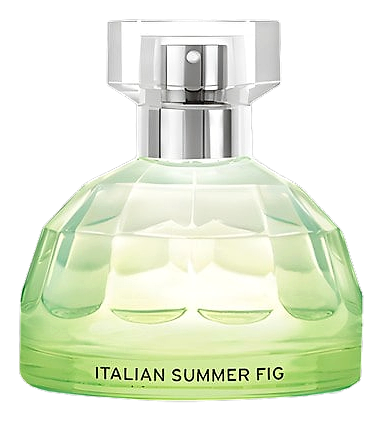
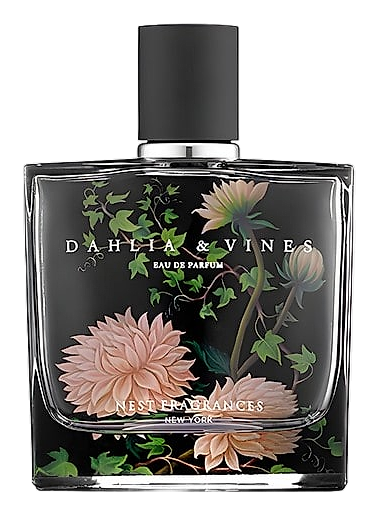

Brands
Brands known for Vine
Good to know
Questions, answered
The essentials on Vine in perfumery: how it smells, where it comes from, and how it behaves on skin.
What does Vine smell like in perfume?
Vine materials smell intensely green and vegetative, reminiscent of crushed ivy leaves and fresh morning dew. The scent carries grassy, slightly bitter undertones with an organic quality that evokes standing among climbing plants after rainfall. No synthetic accurately replicates this natural green character.
Why is Vine used in perfumery?
Vine materials add authentic botanical character to fragrances, functioning as heart notes in green, chypre, and nature-inspired compositions. Only a handful of natural materials provide this specific fresh-cut-leaf quality, making ivy absolute valuable for perfumers seeking genuine green accents over synthetic alternatives.
Is Vine in perfume natural or synthetic?
Vine in perfume typically refers to natural ivy absolute, extracted from Hedera helix leaves and stems via solvent extraction. Synthetic green notes exist but lack the full complexity of the natural material. Natural vine extracts remain rare, produced by fewer than five specialist houses globally.
What famous perfumes contain Vine?
Vine notes appear primarily in niche and botanical-focused fragrances rather than mass-market perfumes. The ingredient remains uncommon due to limited supply and high cost, appearing in specialized green fragrances and artisan perfumery rather than iconic designer releases. Specific formulations are rarely disclosed publicly.
Is Vine a top note, heart note, or base note?
Vine materials typically function as heart notes in fragrance compositions. Their green, vegetative character sits between the bright opening and the deeper base, adding transitional botanical depth. The sillage is moderate, making them effective mid-composition anchors for green and floral arrangements.
What notes pair well with Vine in perfume?
Vine pairs naturally with other green materials like galbanum, violet leaf, and fresh herbs. The ingredient complements woody notes such as cedar and vetiver, and works well alongside citrus top notes for brightness. Florals like lily of the valley and jasmine can soften its vegetative edge.
How is Vine extracted?
Vine materials undergo solvent extraction to produce absolute, yielding approximately 0.1-0.3% of the raw plant material weight as concentrated extract. The green aerial parts are processed with solvents, followed by alcohol washing and concentration. Steam distillation produces smaller volumes of oil with less intensity.
Is Vine used in men's or women's fragrances?
Vine materials function as gender-neutral elements in perfumery, appearing in both men's and women's fragrances. The green, natural quality suits masculine fougeres and feminine chypres equally. Usage depends on composition intent rather than gender targeting, with the botanical authenticity appealing across fragrance preferences.