
The Story
Why it exists.
The beginning
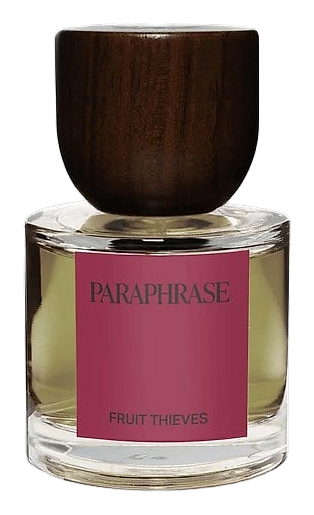
Fruit Thieves begins with a single idea: the moment of reaching. Something ripe hangs just out of reach, and the grab is instinctive, unapologetic. Joshua Smith built the composition around that energy, tart, juicy, immediate. The name frames it as transgression, but the scent itself stays grounded in a quiet green tension that elevates the grab into something deliberate. Passionfruit opens bright and sour. Jasmine threads through the middle. The vine carries the drydown. A simple structure, but the doubled passionfruit, present at top and base, creates a continuity that most fruity fragrances never attempt. It's the structural choice that makes this one worth paying attention to.
The doubled passionfruit is the structural move here. Most fragrances treat a note as a single act, entrance, exit, done. Smith uses it twice, letting the fruit's character evolve rather than disappear. The vine element is what prevents this from becoming just another sweet tropical fragrance. Green, slightly bitter, almost leafy, it grounds the composition and provides the contrast that keeps the sweetness from flattening. Jasmine enters soft, indolic, and just animalic enough to temper the tartness without stealing the show. It's the quiet middle that makes the opening and ending work.
The evolution
The opening hits aggressive. Sour, sticky, bright, passionfruit's characteristic punch arrives without apology. There's no soft landing. Thirty minutes in, jasmine softens the edges. Indolic warmth tempers the tartness, but the tropical character stays close to the skin. The heart wears intimate, floral and fruity in equal measure. By the end, the vine takes over. Passionfruit fades, jasmine settles, and what lingers is green, slightly bitter, almost leafy, a vegetal finish that outlasts the fruit by hours.
Cultural impact
Fruit Thieves arrives during a cultural moment where consumers are increasingly skeptical of mass-market fragrance marketing and seeking out niche brands with distinct identities. Paraphrase's positioning as a narrative-driven perfume house reflects a broader shift in how fragrance is consumed and discussed. The decision to center a fragrance on passionfruit, an ingredient more common in candles and body sprays than fine fragrance, signals a deliberate choice to blur category boundaries. This approach speaks to a generation of fragrance enthusiasts who want their scent choices to communicate something specific about their identity rather than simply smelling pleasant.