Heritage
A house, in its own words
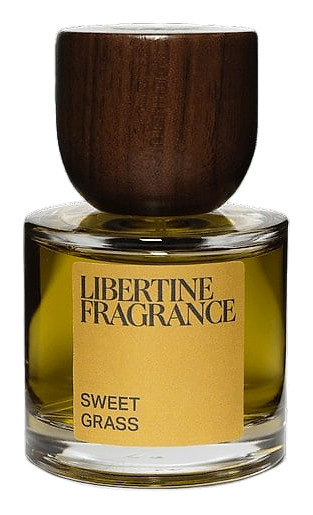
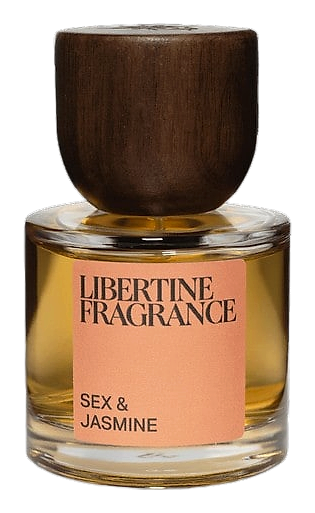
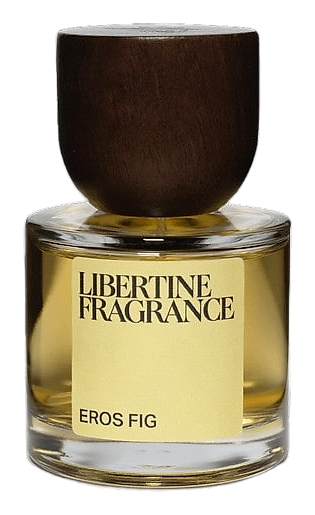
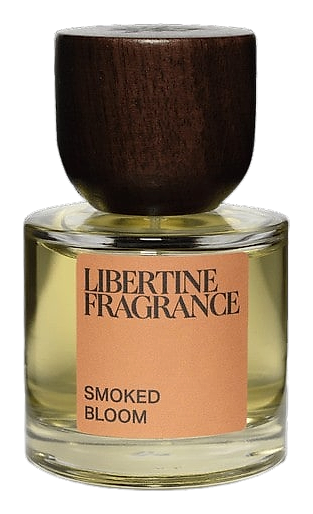
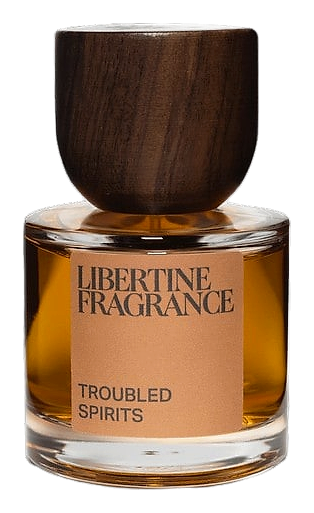
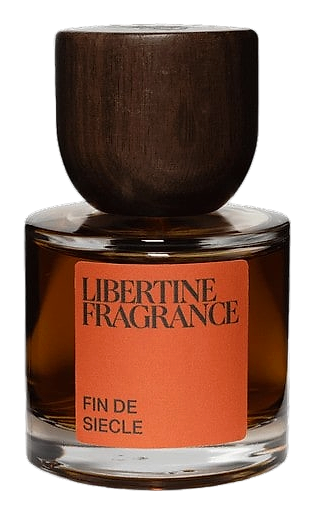
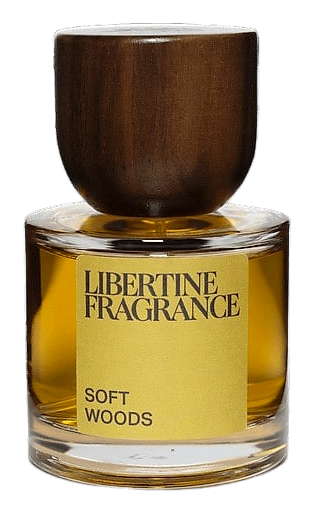
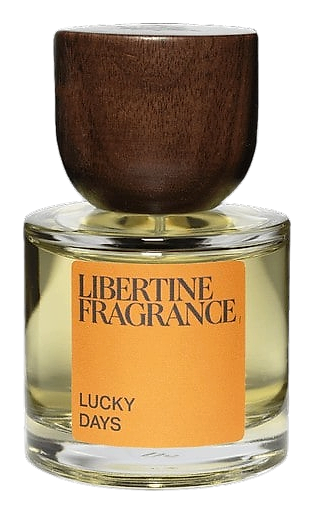
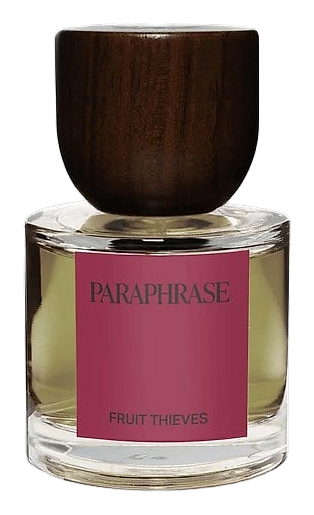
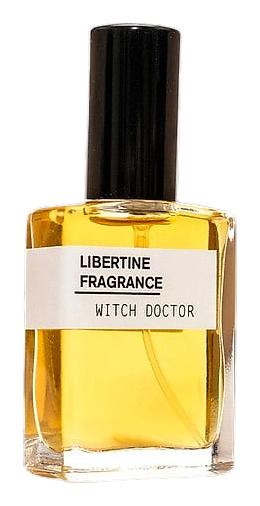
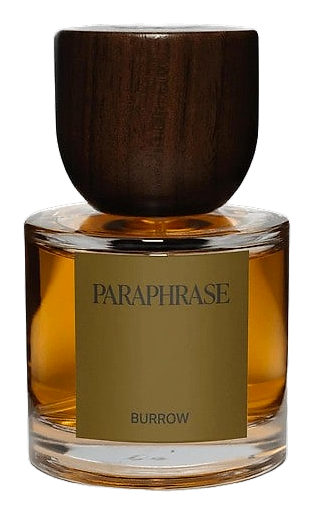
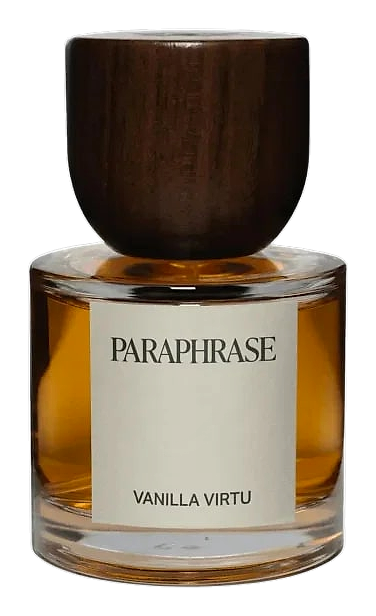
Joshua Smith founded what would become Paraphrase Perfume after transitioning from a career in forestry. Working as a forester, Smith developed a deep connection to landscape and natural environments that later informed his approach to scent creation. The brand originally launched under the name Libertine Fragrances, establishing Smith as an independent voice in perfumery without the backing of traditional fragrance house structures or formal training. The decision to eventually rebrand as Paraphrase marked a significant milestone, reflecting a maturation of the artistic vision and a desire to better represent the reinterpretive nature of the work. Smith, who also works as a designer, handles all aspects of the creative process personally, from initial composition through to the final bottled product. The name Paraphrase itself suggests the brand's philosophical approach: taking familiar olfactory elements and recasting them through a personal lens, offering new ways of experiencing well-known scent associations. The house operates entirely outside the traditional perfume industry infrastructure, with Smith composing each fragrance by hand in his Canadian studio. This independent model has allowed for creative freedom that produces work often described as unconventional or challenging, appealing to wearers seeking distinctive alternatives to mainstream fragrance offerings. The brand's evolution from Libertine Fragrances to Paraphrase represents more than a name change; it signals a deliberate repositioning that emphasizes the interpretive, artistic nature of the work over commercial considerations. Smith has described Paraphrase as existing because perfume can be so much more than part of a wardrobe, suggesting a fundamental disagreement with how fragrance is typically marketed and consumed. The brand rejects the idea of scent as a simple accessory or status marker, instead positioning each creation as an immersive experience worthy of attention on its own terms. The fragrances carry titles that function almost like short story names, inviting wearers into a narrative space rather than simply offering a pleasant smell. Works like Witch Doctor, Troubled Spirits, and Fin de Siecle signal conceptual ambitions that extend beyond traditional fragrance naming conventions. The house treats gender as irrelevant to fragrance, producing unisex compositions that refuse the typical segmentation of the industry. Smith has reportedly spoken about fragrance as a medium capable of capturing and communicating specific moments, places, and emotional states, rather than functioning primarily as a tool for personal presentation. This approach aligns Paraphrase more closely with artistic practice than consumer product development. The brand's独立性 allows Smith to pursue projects without commercial pressure, resulting in fragrances that sometimes challenge conventional notions of what perfume should smell like. Sweet Grass, one of the earliest releases, established this template: a fragrance rooted in the Canadian prairie landscape that many mainstream houses would never attempt to create. The philosophy seems to be that scent should be an experience worth inhabiting fully, rather than a background presence that merely signals something about the wearer.