
The Story
Why it exists.
The beginning
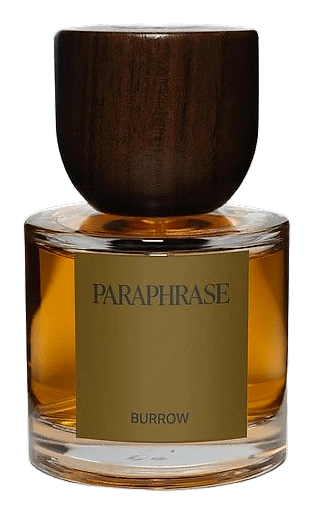
Joshua Smith spent years walking through forests. Not as a background detail, as a working forester who developed an acute sensitivity to place, to the way light falls differently depending on the season, to how spaces feel when you return to them after time away. Burrow came from that specific place: not the idea of a fireplace, but the feeling of returning to shelter after time outdoors in cold weather, the way warmth settles into a room and stays even when the source has faded. Smith composes everything by hand in Edmonton, building fragrances around memory and sensation. Burrow is one of his more direct expressions, a scent that earns its name through honesty rather than ornamentation. No pretense. Just warmth, arriving late.
The pairing of caraway and turmeric with dates and cedar is unexpected. Both spices function as kitchen ingredients rather than fragrance mainstays. Yet Smith anchors them against dates and cedar, and the combination transforms them. The date note brings a dark, jammy warmth that cuts through the herbal opening, creating an unexpected bridge between the dry top and the woody heart. Cedar doesn't soften the composition; it deepens it, adding a dry, slightly tarry woodiness that moves the scent toward actual fireplace territory rather than a metaphorical one.
The evolution
The opening arrives quickly. Caraway and turmeric hit the nose with an aromatic, almost pharmaceutical intensity, dry, herby, slightly acrid. There's no gentle transition here. The dates arrive, bringing a dark sweetness that shifts the tone entirely. The cedar builds underneath, dry and woody, becoming the dominant note as the scent develops. Vetiver and tonka bean take over, earthy, smoky, with a soft vanilla warmth that lingers. The sillage becomes more intimate as the fragrance dries down. The base stays close to skin for hours afterward.
Cultural impact
Burrow arrived during a period when indie perfumery was challenging mainstream fragrance conventions, and its unusual ingredient choices reflect a broader movement toward olfactory storytelling over market-tested notes. Paraphrase, founded by Joshua Smith, represents perfumers who approach scent as narrative rather than product. The combination of caraway and turmeric as dominant top notes was uncommon in Western perfumery, though both have deep roots in other fragrance traditions.
The House
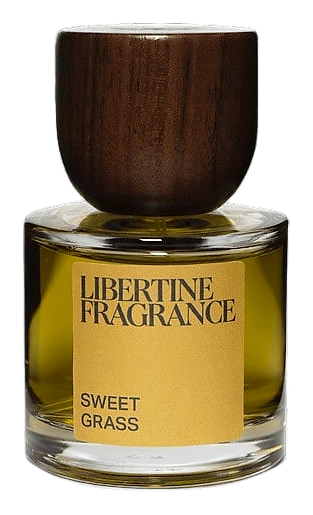
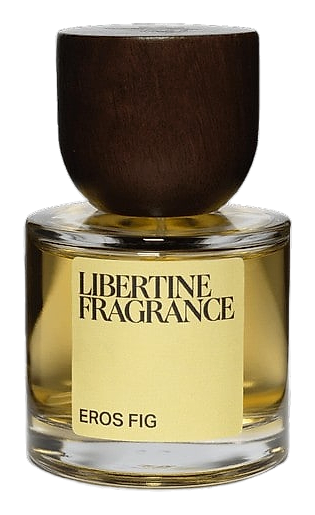
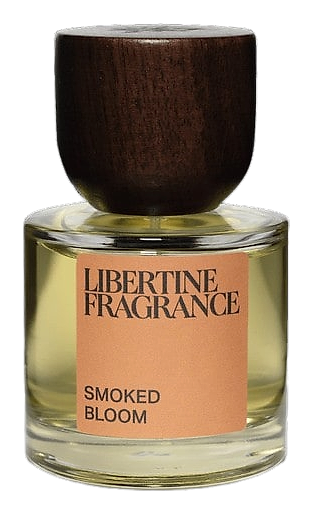
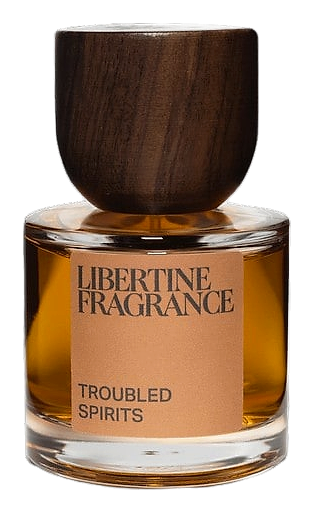
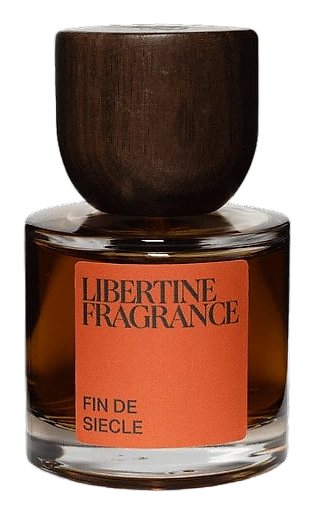
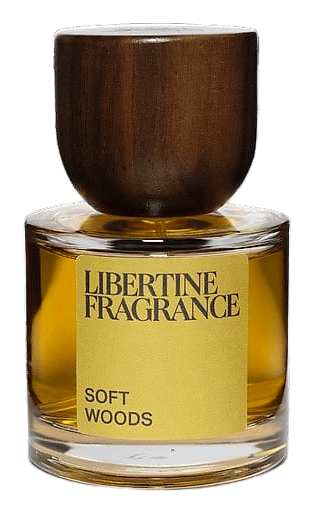
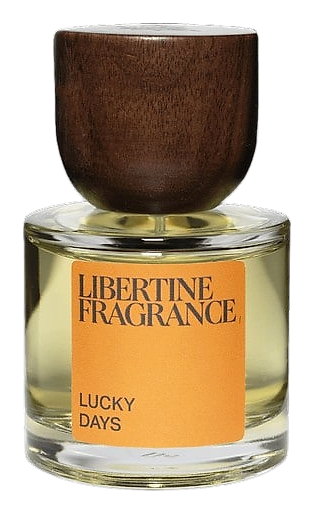
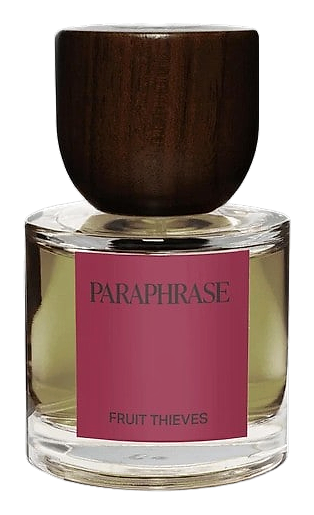
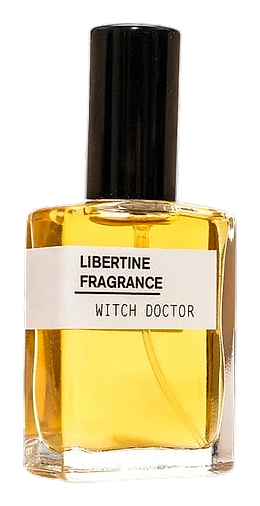
ParaphraseParaphrase Perfume is an independent fragrance house based in Edmonton, Alberta, Canada, founded and operated by Joshua Smith. The brand occupies a distinctive space in the indie perfume world as a creative studio led by someone with no formal perfumery training, a former forester who began composing scents by hand in his studio. Smith approaches fragrance creation through an immersive, narrative lens, building scents around memory, place, and sensory experience rather than following traditional fragrance family conventions. Paraphrase, formerly known as Libertine Fragrances, underwent a complete rebranding that reflected an evolution in both identity and artistic direction. The house produces gender-inclusive perfumes that have earned a devoted following among collectors who value unconventional composition and storytelling through scent. Each fragrance exists as a standalone work with titles that signal their conceptual ambitions, from the prairie-inspired Sweet Grass to the atmospheric Fin de Siecle.
The Creator
Joshua Kale SmithEarly indications suggest a style grounded in balance and restraint. Smith's work shows an affinity for layering techniques that reveal different facets as a fragrance develops on skin.