
The Story
Why it exists.
The beginning
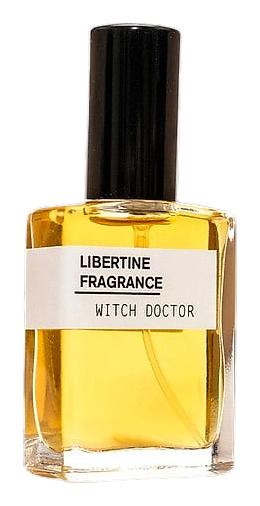
Witch Doctor began as an attempt to translate something wild into something wearable. The concept emerged from a desire to create a scent that didn't apologize for its intensity, one that carried weight and history in its composition. The name evokes an archetype of the healer who knows hidden things, a keeper of knowledge passed through touch rather than explained through language. Not a literal reference, but a feeling, something ancient and intuitive that lives beneath conscious thought. This sensibility shaped every decision in the formulation, from the boldness of the opening through the darkness of the base.
What's unusual here isn't any single material but their meeting. Birch tar brings a smoke that borders on medicinal, pyroligneous acid, the smell of preservation and transformation. Texas cedar offers dry woody warmth without sweetness. Then the resins arrive: benzoin and vanilla anchoring everything into amber warmth, while wormwood and labdanum add that bitter edge that keeps the composition from ever feeling safe. The leather isn't a note so much as an atmosphere, everything wrapped together in something rough and worn, the way actual leather holds memory.
The evolution
The opening arrives like smoke curling from embers in a cold room. Birch tar announces itself without apology, carrying smoke, tar, and a faint medicinal edge that clears everything before it. This initial phase makes its presence known, sharp enough to command attention. Then cedar and herbs begin to emerge, creating a dry, green, bitter middle that softens the smoke into something more aromatic than acrid. The heart is where the fragrance becomes itself, dark, earthy patchouli and wormwood combining into something almost vegetal. As the hours pass, leather and benzoin come forward, and the drydown settles into something warm, animalic, and intimately close to the skin.
Cultural impact
Witch Doctor arrived in 2014 as something that didn't follow the established rules of indie perfumery. Its opening immediately sets it apart, demanding attention rather than courting approval. The dark, resinous drydown continues that confrontational energy through the final hours. Where many fragrances of that era aimed for safe pleasantness, this one refused to make comfort a priority. Its presence in the market offered an alternative to both mainstream offerings and the softer expressions common in independent fragrance at the time.