The Story
Why it exists.
The beginning
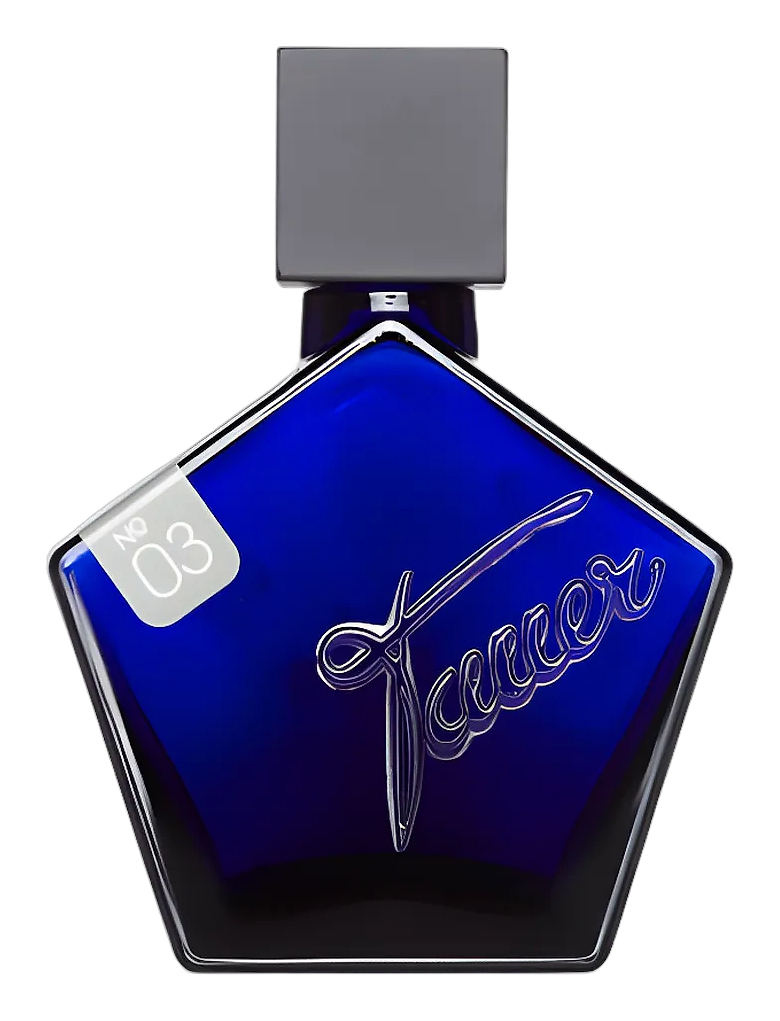
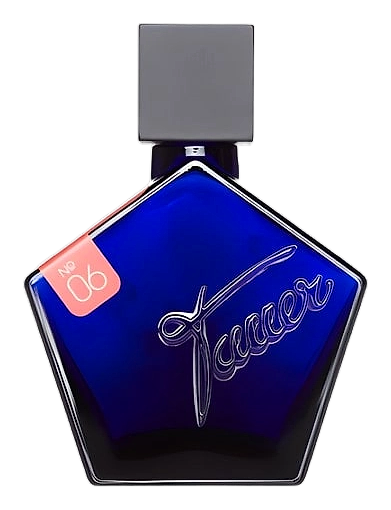
The name misleads. 'Incense Rose' sounds like it should be soft, pretty, a rose dipped in something polite. Instead, Andy Tauer built something that burns. The opening arrives luminous: bergamot and clementine, the sharp brightness of something about to change. Bulgarian rose absolute enters with presence, not sweet, not delicate, but dark and immediate. The citrus notes provide an initial sparkle that gives way to something richer. The heart settles into orris, castoreum, and frankincense, warmth that doesn't ask permission. There's an earthiness here, a depth that suggests the rose has lived rather than just bloomed. Myrrh takes over as the drydown begins, pulling everything toward smoke and resin. Incense Rosé isn't about a pretty rose.
What makes this composition unusual is the castoreum. In most fragrances, it stays hidden, a supporting actor for leather or tobacco. Here, Tauer lets it breathe. It arrives in the heart alongside the orris, adding an animalic depth that shapes the entire character of the scent. The result is a rose that smells like it remembers being alive. Combined with the frankincense, the base becomes something resinous and smoky rather than sweet. This is not a rose for people who want a rose.
The evolution
The opening is a surprise. Bergamot and cardamom hit first with sharp clarity, followed almost immediately by the wild rose. There's a brightness here, citrus and floral together, unexpected in something called Incense Rosé. The rose doesn't stay fresh for long. As the fragrance develops, the frankincense takes over. The heart is where this fragrance earns its name. Smoke rises without burning, myrrh thickens the air, and the castoreum adds something almost animalic. The Bulgarian rose doesn't disappear, it deepens, becomes resin-soaked rather than fresh-cut. The composition shifts over hours, the rose becoming an impression while smoke becomes the dominant character. The drydown belongs to Texan cedar and vetiver, dry, slightly bitter, long-lasting. Patchouli grounds everything without sweetness. Eventually only smoke and myrrh remain.
Cultural impact
Incense Rose arrived at a moment when the market offered plenty of sweet florals and Gourmand fragrances. This smoky, resinous rose offered something different, a dark oriental that didn't lean on sweetness to please. The castoreum note generates strong reactions: some wearers consider it the fragrance's defining character, while others find it polarizing. Either way, it ensures Incense Rose doesn't smell like anything else in the Tauer collection. The scent stands apart from the house's other offerings, carving out its own territory for those who want their rose to carry weight and darkness.