
The Story
Why it exists.
The beginning
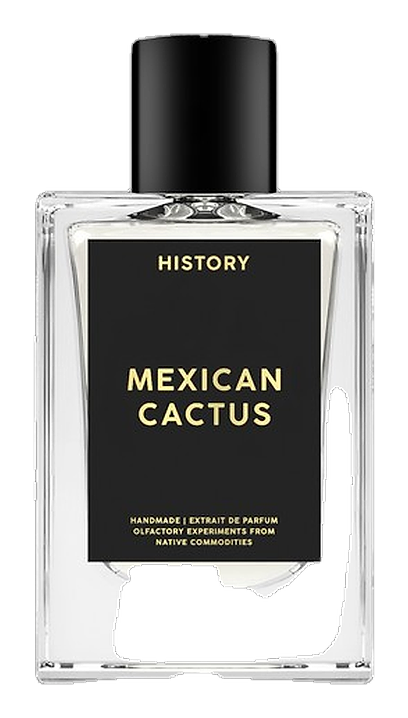
History Parfums builds each fragrance around a specific place and its most characteristic ingredient. Mexican Cactus is the house's entry for Mexico, the country that domesticated the nopal over 9,000 years ago, long before the word 'cactus' existed in any European language. The Nahuatl word nohpalli became nopal, and the plant became woven into the diet, medicine, and daily life of the Chichimeca groups. History Parfums reached for that deep-rooted identity rather than the tourist version of Mexico.
What makes this composition unusual is the pairing that anchors it: a lactonic milk note paired with cactus. One is soft, almost domestic; the other is arid, structural, built for drought. In most hands, that combination would collapse into confusion. Here, the milk doesn't soften the cactus, it frames it. The cactus doesn't sharpen the milk, it keeps it from going sweet. The result is a creamy green that reads more desert than dairy counter, more afternoon heat than morning coffee. This is the kind of structural choice that indie perfumery can make that larger houses rarely attempt.
The evolution
The opening announces itself quickly. Bergamot and tropical fruit arrive together, bright and sweet, but there's a fermented quality beneath the surface almost immediately, the milk note isn't sterile, it's alive. Within twenty minutes, the cactus and hemp emerge. This is the turn that divides people. For some, it's the best part. For others, it's too much. The green here is sharp, almost weedy, and it pushes against the sweetness hard. The jasmine appears around the thirty-minute mark, not to soften the cactus but to complicate it, a floral that smells more mineral than sweet. Then the metallic notes arrive. That shift from lactonic cream to something almost mineral, steel, dry air, the smell of a room that's been closed all summer, is the most interesting sixty minutes in the fragrance. Vetiver and powdery notes settle underneath, and the musk keeps everything in conversation with skin rather than air. Eight to ten hours on most people. The drydown is intimate, close, the kind that someone standing beside you might notice before you do.
Cultural impact
Mexican Cactus sits in an unusual position: it's green without being fresh, tropical without being sweet, and synthetic in a way that reads as intentional rather than cheap. Wearers either find the cactus-hemp heart the most interesting part of the fragrance or too confrontational for daily wear, that division is visible in community ratings. The comparison to Byredo Pulp keeps coming up, which places it in conversation with a well-known cult fragrance and invites new wearers to make their own calculation.