
The Story
Why it exists.
The beginning
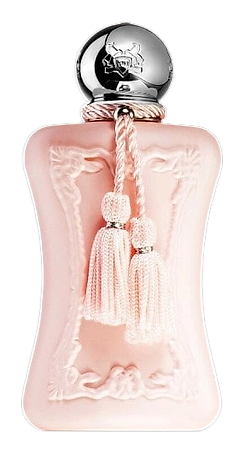
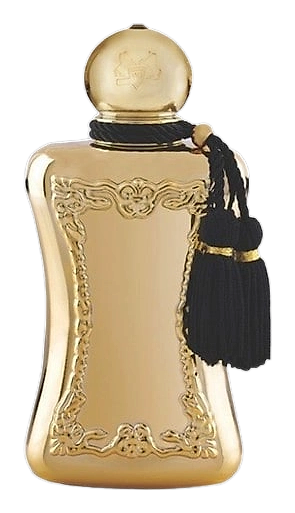
In 2014, Hamid Merati-Kashani designed Darcy, a floral composition that opens with crisp citrus brightness before settling into a softer, more intimate register. The top notes hit clean and almost astringent, with lemon and orange creating an immediate sense of clarity. As the fragrance develops, rose and jasmine emerge together, their petals intertwined, neither overpowering the other. Praliné threads through the florals, adding warmth without sweetness that overwhelms. The drydown settles close to the skin, lingering on fabric with a gentle presence that carries through the next morning as a ghost of rose water and warm skin.
What makes Darcy interesting is the tension between its notes. Rose and jasmine are classic, even predictable, they're the heart of a thousand fragrances. But Parfums de Marly didn't stop there. The praliné and patchouli base shifts the composition away from sheer romanticism into something with more weight. The sugar doesn't read as candy; it reads as warmth, the kind that accumulates in skin over hours. Patchouli grounds it with earthiness that keeps the sweetness from feeling naive. It's a floral that grew up.
The evolution
The opening arrives crisp, lemon and orange hitting clean and almost astringent. For the first twenty minutes, there's a sharpness that suggests something more angular than what follows. Then the citrus recedes and the florals bloom. Rose and jasmine arrive together, soft and intertwined, not competing for space. The praliné emerges gradually, threading sweetness through the florals rather than overwhelming them. The drydown is intimate, close to the skin, warm, slightly sweet. It lingers on fabric. The next morning, there's still a ghost of it: rose water and warm skin. As the hours pass, the fragrance reveals its layered construction, each stage offering something slightly different from the last, building depth through its progression rather than arriving all at once.
Cultural impact
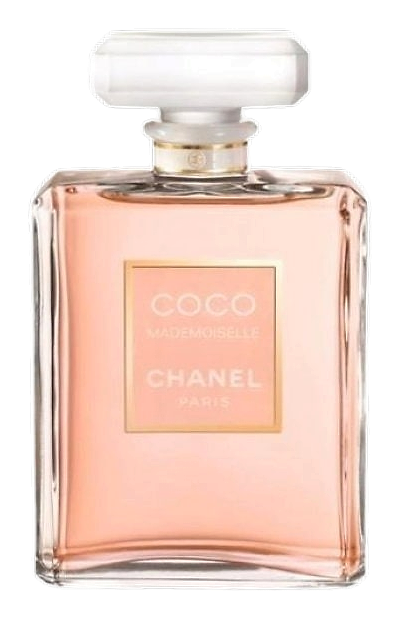
Darcy occupies a particular space in the PdM lineup, the house's signature power softened into something more approachable. It's frequently compared to Coco Mademoiselle, which makes sense structurally: both are citrus-floral-gourmand compositions with rose and jasmine at their center. But Darcy reads warmer, with more praliné presence. The comparison is a compliment and a criticism depending on who you ask. For those who find Chanel's offering too restrained, Darcy offers more warmth and fewer concessions to restraint.