Paramela
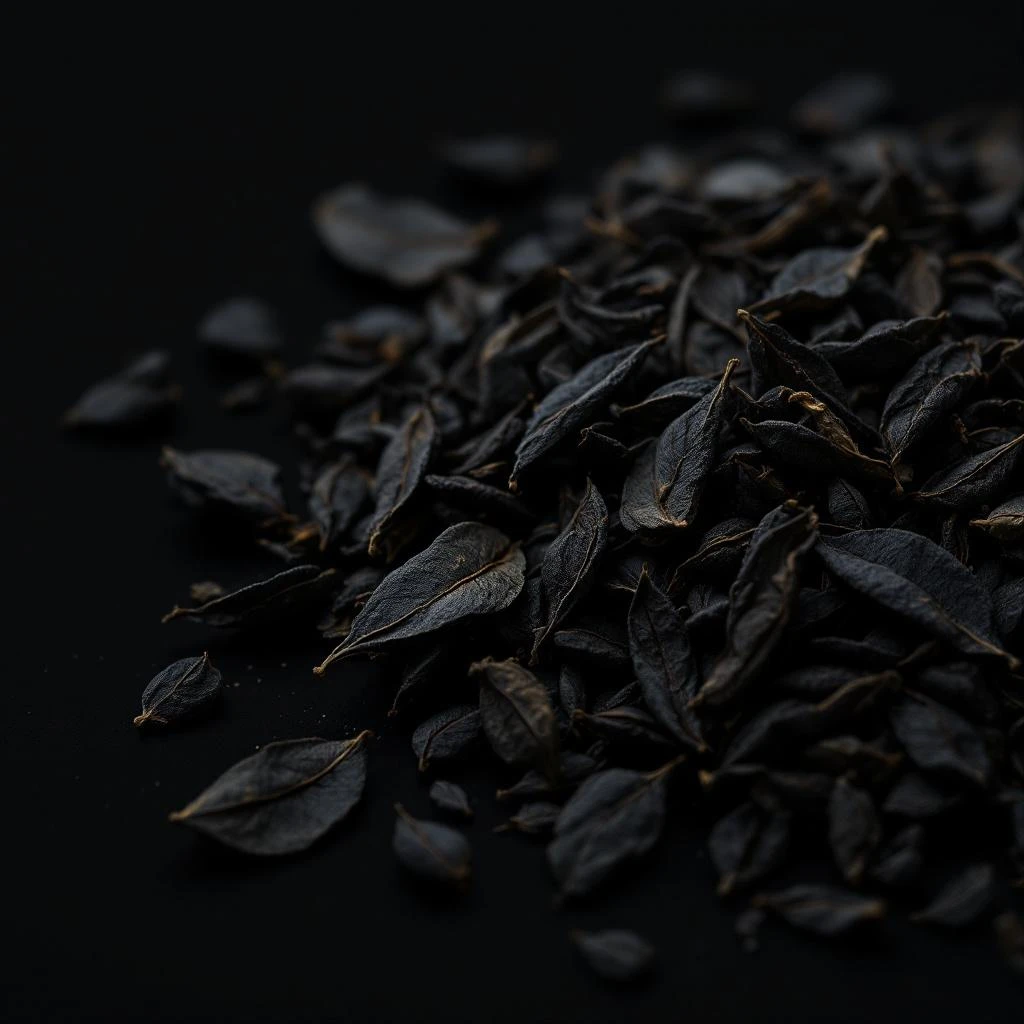
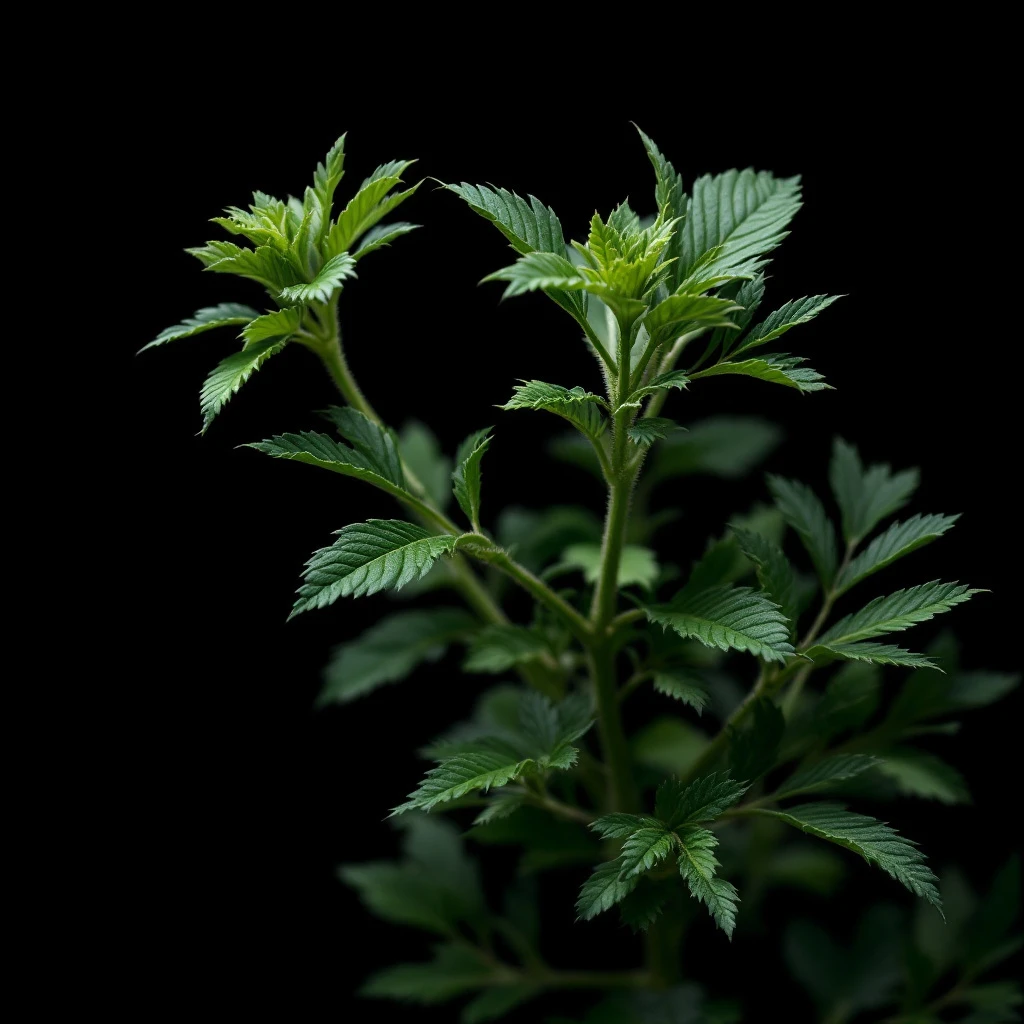
Paramela is a wild North American plant whose dried leaves release a sweet, hay-like scent reminiscent of coumarin. Though not a mainstream perfumery ingredient, its aromatic profile places it among the gentle botanicals that evoke sun-warmed meadows.
Character
How it smells
Wild meadow whispers in dried leaves.
Paramela leaves smell sweeter after drying, much like fresh hay, due to naturally occurring coumarin compounds that develop when the plant is cured.







Origin
United States
Paramela (Adenocaulon bicolor) grows wild across western North America, from British Columbia down through California and into parts of the Rocky Mountains. Indigenous peoples of the Pacific Northwest recognized the plant's aromatic qualities, using dried leaves in ceremonial bundles and as a natural air freshener in living spaces.
Early settlers adopted similar practices, incorporating Paramela into sachets and linen storage. While never a cornerstone of commercial perfumery, the plant represents the broader tradition of North American botanicals contributing to fragrant heritage, paralleling how European perfumers utilized wild herbs like lavender and clary sage.
Wears it best
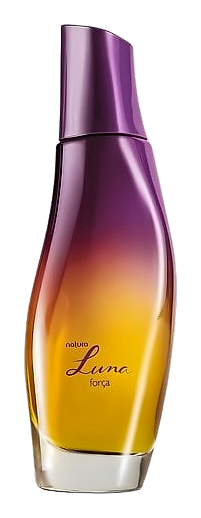
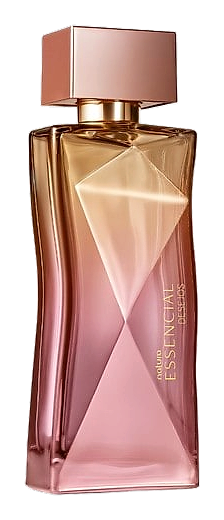
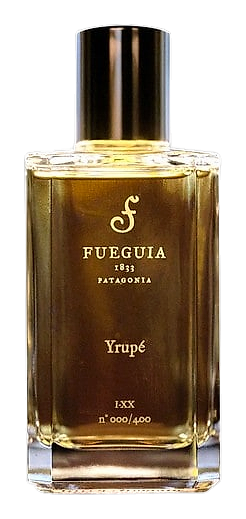
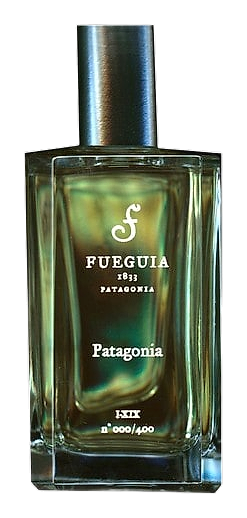
Fragrances featuring Paramela
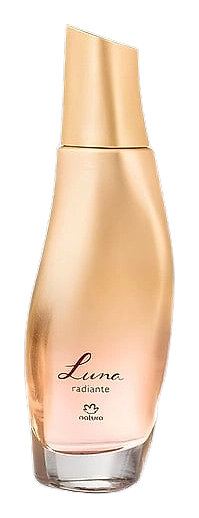
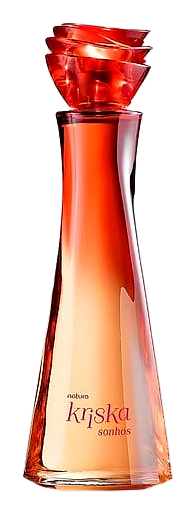
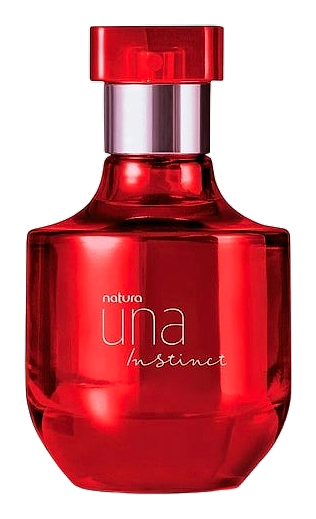
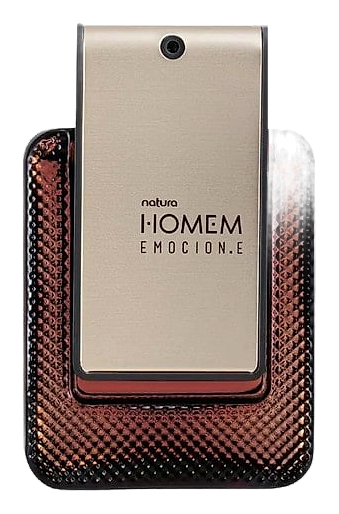

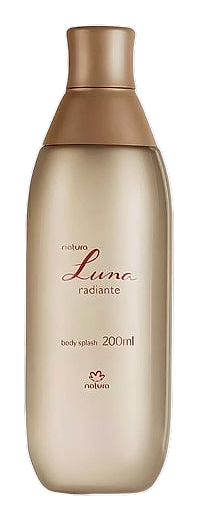

Brands
Brands known for Paramela
Good to know
Questions, answered
The essentials on Paramela in perfumery: how it smells, where it comes from, and how it behaves on skin.
What does Paramela smell like?
Paramela emits a sweet, hay-like fragrance reminiscent of coumarin. The scent is gentle and herbal, evoking sun-dried grasses and wild meadows. It works best as a supporting note in aromatic blends rather than as a dominant feature.
Is Paramela used in commercial perfumes?
Paramela remains a niche ingredient in perfumery. It appears primarily in artisanal and small-batch fragrances that emphasize natural, wild-crafted botanicals rather than in mainstream luxury perfumes.
What is the difference between Paramela and true coumarin?
Paramela contains natural coumarin compounds as part of its aromatic profile. Synthetic coumarin, first produced commercially in the 1820s, replicates this scent but is manufactured rather than plant-derived.
Where does Paramela grow?
Paramela (Adenocaulon bicolor) grows natively across western North America, particularly in the Pacific Northwest, coastal California, and parts of the Rocky Mountains. It thrives in shaded forest understories and along mountain trails.
Can Paramela be cultivated for perfumery?
Wild harvesting remains the primary source for Paramela. The plant adapts to cultivation but requires specific conditions mimicking its native forest habitat. Commercial cultivation for fragrance purposes has not developed at scale.
How is Paramela harvested and processed?
Paramela leaves are collected during the growing season and carefully dried to preserve aromatic compounds. The dried leaves maintain their scent for months when stored properly away from moisture and direct light.
Is Paramela safe for skin contact?
Natural coumarin compounds in Paramela are generally recognized as safe in normal use. However, individuals with coumarin sensitivities should exercise caution. Regulatory bodies in the EU have set guidelines for coumarin content in consumer products.