The Story
Why it exists.
The beginning
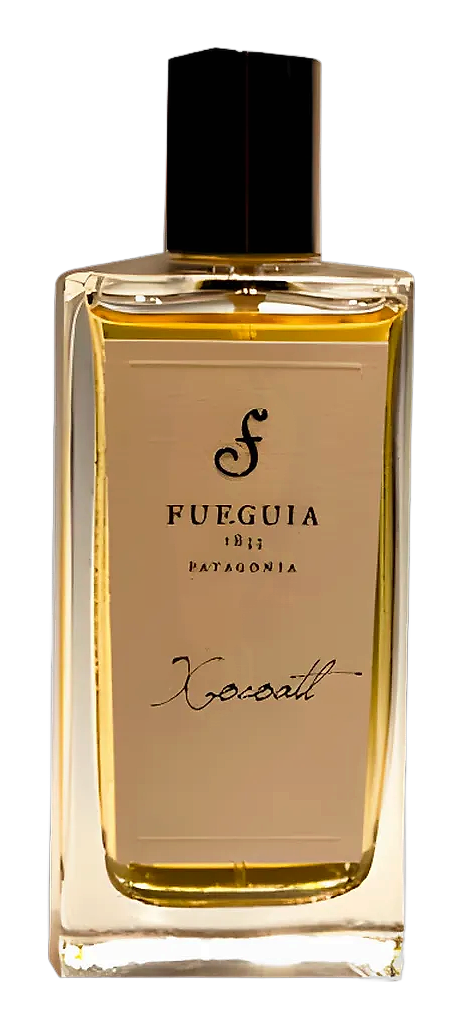
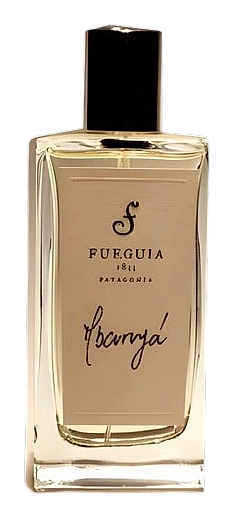
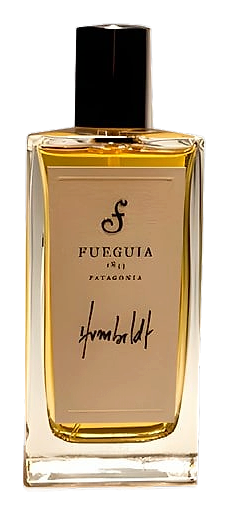
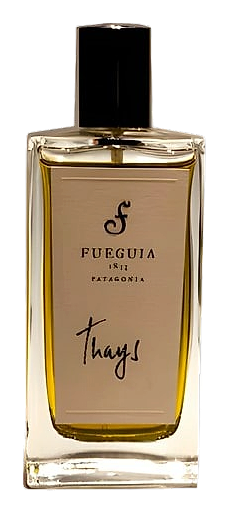
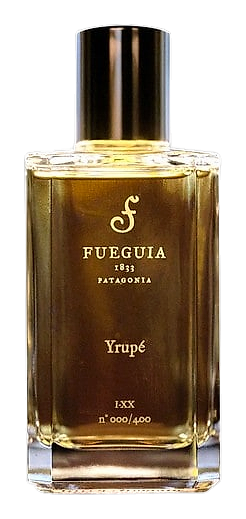
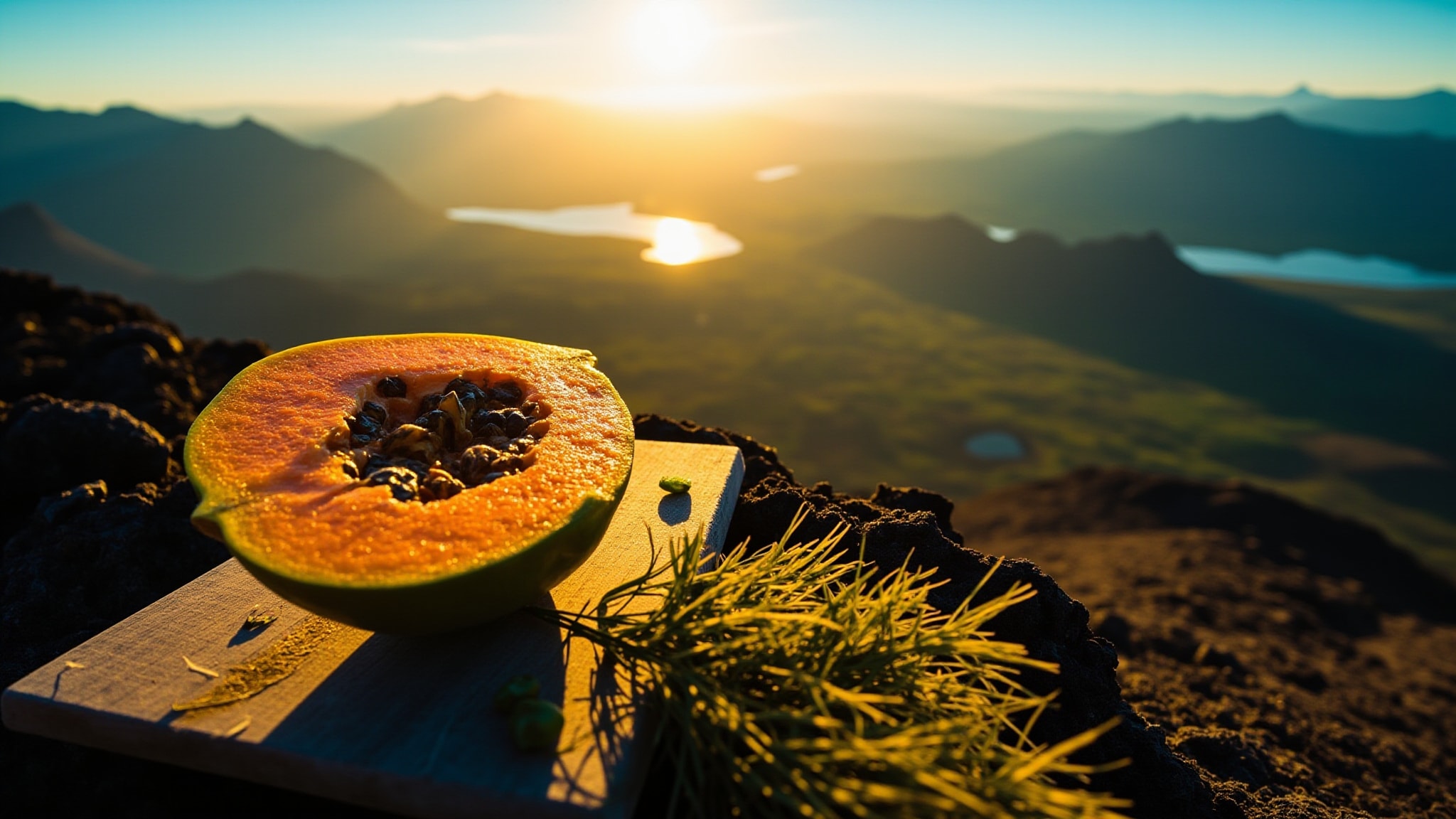
Julian Bedel built Fueguia 1833 on the idea that fragrance could be a form of botanical research, not decoration, but documentation. The Linneo collection, to which Yrupé belongs, takes its naming from Carl Linnaeus, the 18th-century botanist who tried to classify the entire natural world. Yrupé continues that impulse: a tropical fruit composition named for something wilder than a juice bar. The choice of paramela as the base note is deliberate. It's not a luxury ingredient, it's a Patagonian shrub with medicinal roots, harvested by the brand's own agronomists on the southern coast of Argentina. Where most fragrances reach for familiar materials and blend them into pleasant territory, Yrupé reaches into the field and brings back something specific. Papaya and guava are unmistakable. Paramela is not.
The interesting thing about Yrupé's structure is what happens when the sweet tropical top fades, which it eventually does, within the first hour. What's left is paramela, and paramela is not sweet. It's woody, slightly medicinal, with an aromatic quality that evokes dried herbs rather than fresh fruit. The transition is abrupt in the best way: you're walking through a rainforest and suddenly you're on a Patagonian hillside. That shift isn't a flaw, it's the point. The fragrance is telling you something about where it comes from. Guava, listed as the dominant heart note, doesn't sit still. It moves. It bleeds into the base, feeding the paramela with its tropical sweetness until the two become inseparable.
The evolution
Papaya announces itself immediately, bright, almost aggressive in its sweetness, the kind of tropical note that announces itself from across a room. Within fifteen minutes, guava enters the picture, softening the papaya's edge with its characteristic green-tart undertone. The combination smells like fruit at peak ripeness, the kind you eat standing over the sink. By the second hour, the tropical sweetness begins to recede, not vanishing, but deepening, becoming less immediate and more internal. Paramela takes over the base. This is where the fragrance makes its argument. Paramela smells like the earth after rain, like dried stems and wild herbs, like something collected rather than composed. It has a medicinal quality, not antiseptic, but botanical, the smell of a plant that has survived rather than thrived. The sweetness of the papaya and guava doesn't disappear. It lingers underneath, caramelizing slowly, becoming something warmer and more animal. On skin, expect four to six hours of evolution.
Cultural impact
Yrupé occupies an unusual position in the landscape of tropical fragrances. The Gourmand primary family would suggest sweetness and accessibility, but the Amazonic secondary family, referencing the rainforest rather than the dessert course, pulls the composition toward something more specific and less comfortable. Paramela, as a base note, is not a familiar material to most wearers. It's a Patagonian shrub, not an ingredient you'll find in mainstream fragrance. This creates a certain friction: the opening is inviting, almost commercial in its fruitiness, but the drydown asks the wearer to engage with something they probably haven't encountered before. The response to that friction depends on what the wearer came for.