The Story
Why it exists.
The beginning
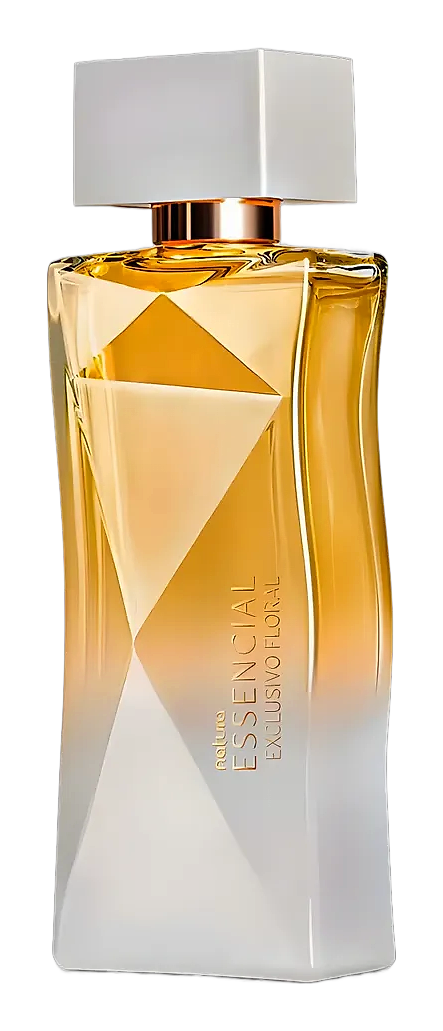
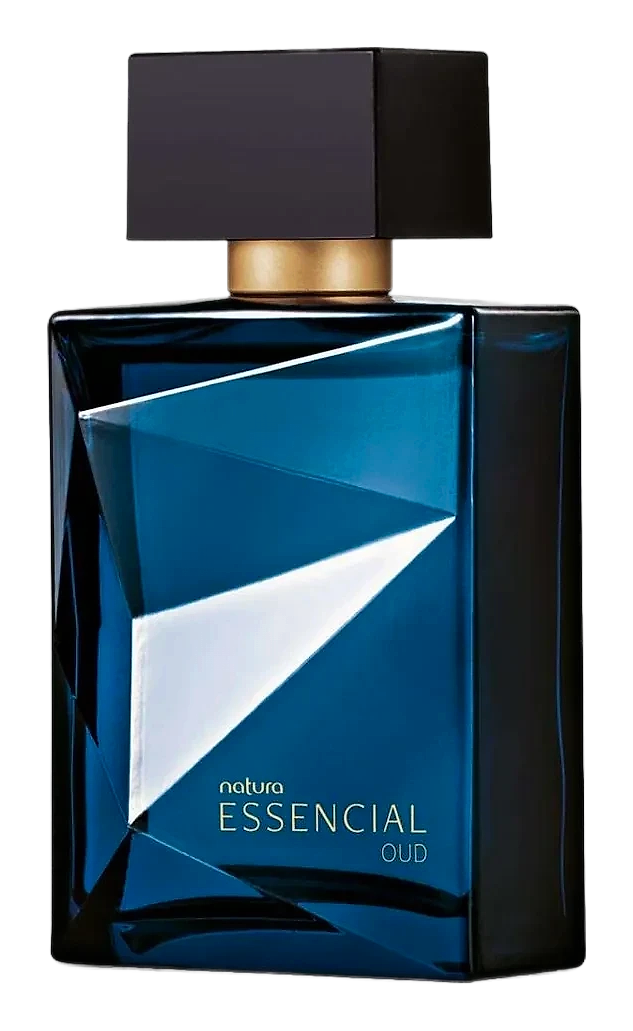
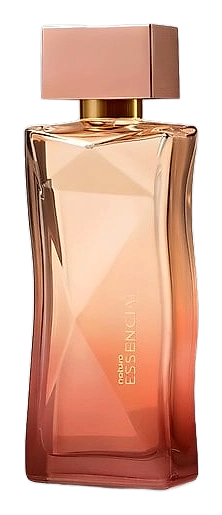
In 1995, three Brazilian perfumers, Verônica Kato, Verônica Casanova, and Marion Costero, set out to bottle something specific. Essencial Feminino was their answer, a chypre floral built around jasmine as its heart. The perfumers chose Brazilian botanicals as their raw material, working with ingredients native to the region rather than the classic oakmoss that had long defined the chypre category. The result is a fragrance that feels rooted in place and intention, with jasmine providing texture and presence that synthetic materials struggle to replicate. It's an intentional composition, designed for those who appreciate complexity over flash. The florals don't compete for attention; they layer and support each other, creating a scent that reveals itself slowly.
What makes this composition work is the refusal to choose between freshness and warmth. The top notes, mandarin, citruses, and apple, give it an immediate brightness that lifts the senses. But the heart refuses to stay light: Egyptian jasmine, peach, tea rose, and a touch of ginger create a floral core that feels lush and deliberate. The jasmine carries the composition, its textural richness providing the kind of depth that keeps the florals from feeling decorative. Peach adds softness, tea rose contributes quiet elegance, and the ginger warmth prevents the heart from becoming too ethereal.
The evolution
The mandarin hits first, bright and clean, almost perfunctory in its brief appearance. The citruses thin out quickly, leaving room for the jasmine to take center stage. This is where the fragrance earns its name: the heart phase is feminine in the best sense, soft without being precious, floral without being fragile. Peach and tea rose keep it grounded, ginger adds a quiet warmth that prevents the whole thing from becoming too pretty. As the drydown takes over, amber and sandalwood emerge slowly, with white musk doing the quiet work of making everything feel closer, warmer, more intimate. The cedar lingers longest, a whisper of something woody that stops the sweetness from overwhelming. The fragrance evolves on the skin, revealing new facets as the hours pass.
Cultural impact
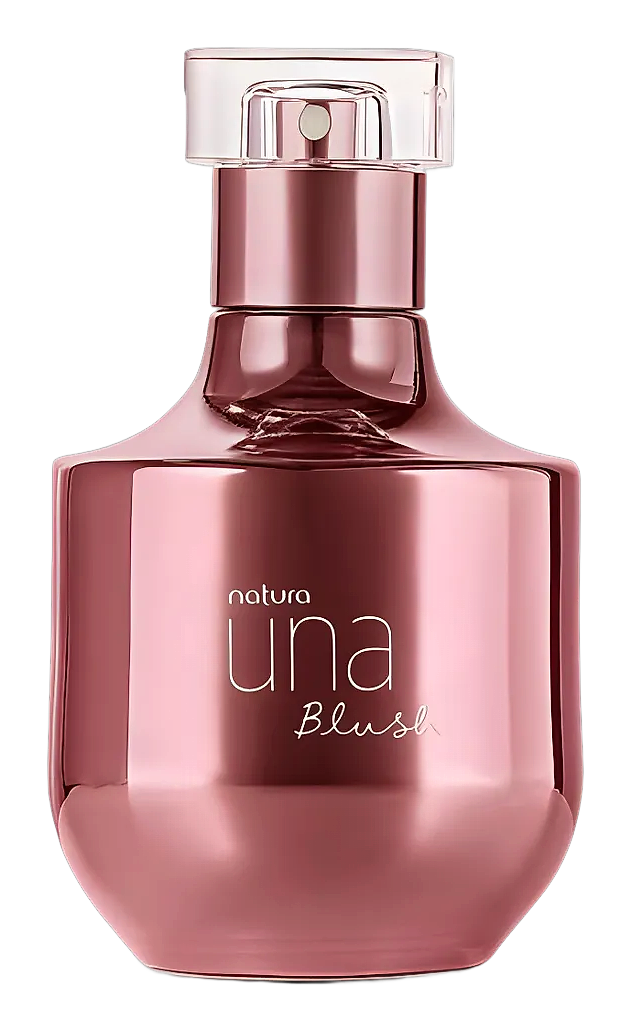
Natura has positioned itself as an alternative to imported luxury fragrances, offering sophisticated scent experiences at accessible price points. The brand uses Brazilian botanical ingredients as a point of differentiation, arguing that local materials can achieve complexity comparable to European traditions. This approach has appealed to consumers seeking alternatives to established luxury houses. By keeping prices accessible, Natura has made quality fragrance available to a broader audience. The use of Brazilian botanicals is both practical and symbolic: it keeps costs down while making a statement about what local materials can achieve.