Camille Chemardin
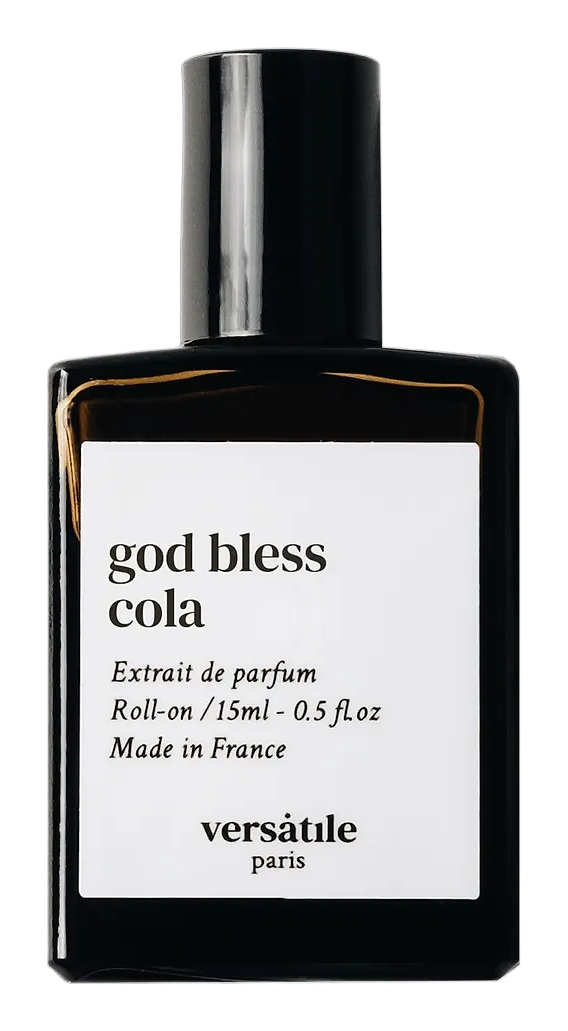
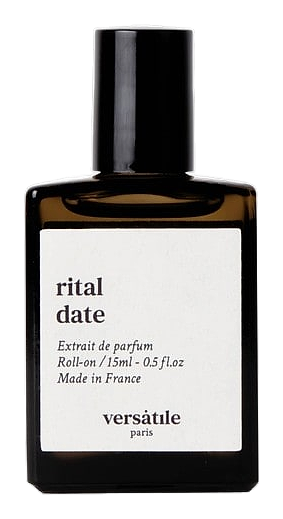
Camille Chemardin grew up in Lyon, born in 1997, and discovered her calling early when she borrowed Hermès L'Eau des Merveilles from her mother's collection and found herself captivated by how it shifted on her skin. After completing her baccalaureate, she enrolled at the École Supérieure du Parfum in the Paris region, building a formal foundation in fragrance composition. Her early career took her to Firmenich, where she worked as an assistant perfumer, gaining experience with the house's extensive raw material library and structured creative processes. She eventually joined Flair Paris as a junior perfumer, spending several years developing her voice within that creative environment. Beyond her work with major houses, she founded her own venture, Floralys Fragrances, as a platform for freely expressing her personal olfactory vision. More recently, she has collaborated with niche houses including Versatile Paris, establishing herself as a perfumer who moves fluidly between commercial and artistic contexts.
The hits
Notable creations



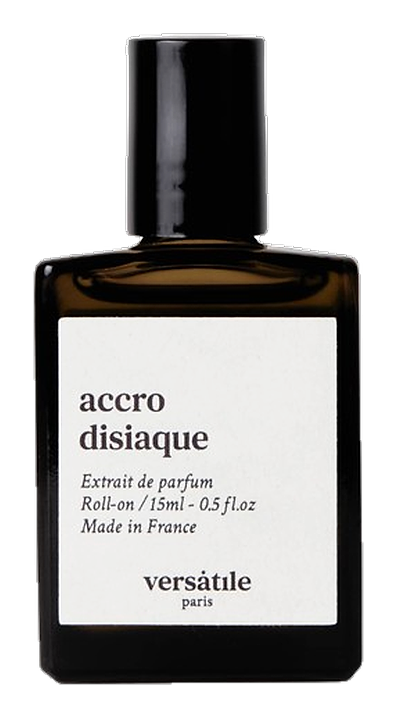

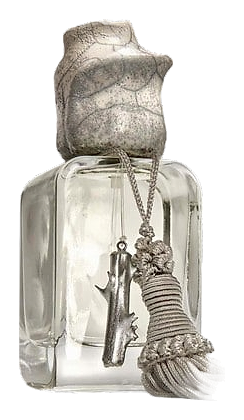
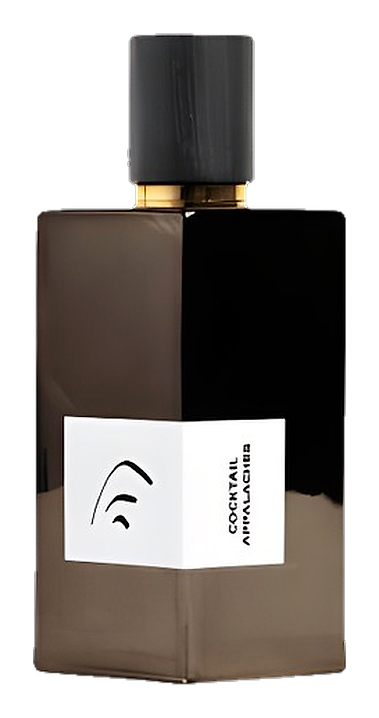
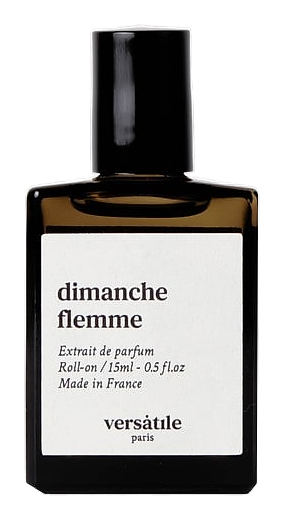
The signature
How Camille composes
Chemardin gravitates toward modern interpretations of French elegance, favoring crisp contrasts between natural and synthetic materials. She tends to work with Givaudan's palette, a consequence of her time at Firmenich and her current position at Flair, and she has shown particular skill with transparent, airy constructions that maintain presence without heaviness. Her work with Versatile Paris demonstrates an ability to balance editorial vision with wearability, creating fragrances that read as considered rather than overwrought. She prefers ingredients that offer clarity—citrus, white musks, transparent woods—and builds compositions around their interplay rather than their individual intensity.
Philosophy
What drives Camille
Chemardin approaches fragrance as a way to externalize inner states, describing herself as fascinated by the way a single scent can hold memory, mood, and identity simultaneously. She works from the assumption that a great fragrance must function as a personal narrative, something the wearer can inhabit rather than simply apply. Her creative process prioritizes emotional coherence over technical novelty—she wants people to feel something when they smell her work, not just recognize ingredients. She draws inspiration from the sensory world around her, translating everyday observations into olfactory concepts that feel both intimate and universal.
The houses
Maisons Camille composes for
In the same league