






Heritage
A house, in its own words
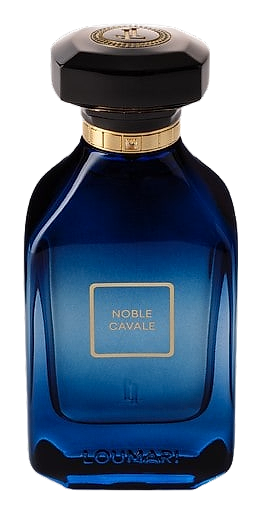
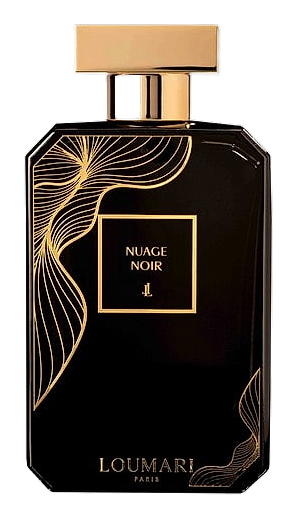
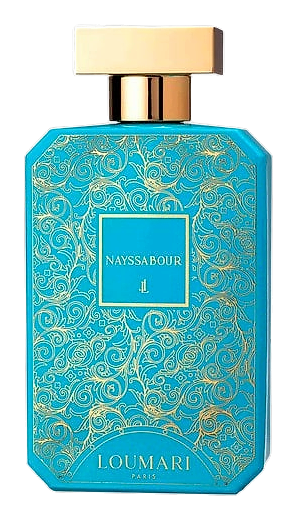
The origins of Loumari trace to Maison de Nguyễn, a fragrance house rooted in the culture, history, and spirit of Vietnam. This Vietnamese foundation provided the foundational knowledge of native essential oils and traditional aromatic practices that would later inform the house's distinctive approach. The founders of Loumari reportedly recognized an opportunity to introduce Vietnamese botanicals and aromatic traditions to the formal vocabulary of French haute parfumerie, creating perfumes that honored both lineages. The decision to establish the house in Paris placed these materials and methods within the framework of French perfumery tradition, allowing Vietnamese aromatic knowledge to be expressed through the techniques and aesthetic standards established in Grasse and the Marais. The house takes its name from Loumari, a name that evokes both the Vietnamese heritage and the Middle Eastern connections that now define the collection. Over successive years, the house developed its portfolio, releasing fragrances such as Porthole in 2022, which introduced collectors to the house's particular synthesis of traditions. Subsequent releases including Nuage Noir, Noble Cavale, Almeria, Saja, Maydan, and Nayssabour expanded the house's vocabulary, while 2025 saw the introduction of AOMAK and Amber Malatya. The house reports continued expansion, with Radanfor anticipated in 2026. The heritage remains anchored in the conviction that Vietnamese botanical traditions and Middle Eastern aromatic values belong together within French formal perfumery. Loumari operates from a conviction that fragrance can serve as a bridge between distinct cultural inheritances. The house embraces what it describes as the noble Middle Eastern heritage, honoring traditions of oud, ambery materials, and deep aromatic oils that have been valued for centuries across the Arabian Peninsula, the Levant, and beyond. Simultaneously, Loumari draws from the Vietnamese tradition of working with native botanicals, a body of knowledge that includes essential oils derived from florals, woods, and aromatic plants endemic to Vietnam's varied climates and terrain. The result is a fragrance house that does not simply borrow ingredients from both traditions but attempts a genuine synthesis, creating perfumes that feel grounded in both without belonging exclusively to either. The philosophy holds that these two olfactory worlds share more than is commonly recognized. Both traditions value depth, complexity, and materials that evolve over extended wearing periods. Both traditions have historically prized the social and spiritual dimensions of scent, using fragrance in contexts ranging from religious practice to daily grooming. Loumari attempts to honor this shared sensibility while remaining attentive to the specific character of each material. The approach to composition reportedly favors balance over novelty, seeking combinations where Vietnamese and Middle Eastern materials illuminate each other rather than compete.