
The Story
Why it exists.
The beginning
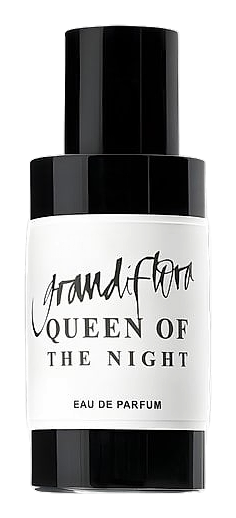
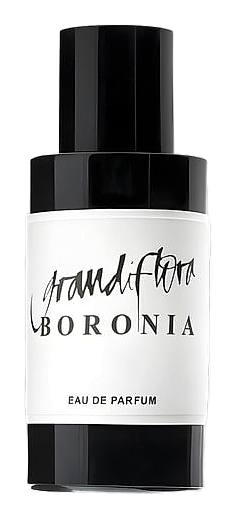
Grandiflora's Boronia began with a flower that most people walk past without noticing. The brown boronia, a small, drab Australian native, has modest purple-brown blooms that offer no visual cues about the fragrance hidden inside. The collaboration for this release set out to capture not just the flower itself, but the feeling it carries, sweetly spiced, slightly earthy, intensely itself. The result is a fragrance that rewards patience and close attention, revealing its complexities gradually rather than announcing them all at once. There's an earthy warmth underlying the floral notes, a green quality that feels almost wild, and a spice that suggests the flower growing in its natural habitat rather than being distilled into a perfume bottle.
The choice of boronia as a named ingredient is significant. Unlike jasmine or rose, boronia hasn't been commercially overexplored in perfumery. Its aroma is harder to translate, more green, more feral, less conventionally pretty than the florals that dominate fragrance collections. The materials surrounding the boronia create an environment where its strange beauty can emerge: black tea contributes tannic depth that grounds the fragrance, suede adds a soft textural quality, and osmanthus brings a fruity complexity that bridges the floral and the earthy.
The evolution
The opening arrives with quiet authority. Chamomile and cognac create an immediate warmth, herbal but not medicinal, boozy but not sweet. Within minutes, the boronia begins to assert itself, though it's never the clean floral you might expect. Instead, it arrives tangled with black tea and suede, and if the tobacco-like quality isn't listed on the pyramid, it's undeniably present on skin. The caramel doesn't arrive immediately, it builds slowly, softening the tannins as the heart settles. By the third hour, the drydown has arrived: driftwood, myrrh, and tolu balsam create a warm, slightly bitter base that lingers close to the skin. The sillage is moderate, this isn't a fragrance that fills a room, but one that rewards proximity. As the hours pass, the fragrance evolves on the skin, with different facets becoming prominent at different times.
Cultural impact
Boronia occupies a specific niche in the landscape of floral fragrances, serving as a subject that most perfume houses have chosen to overlook in favor of more familiar materials. The wildflower offers perfumers a chance to work with something genuinely unfamiliar to most wearers, a botanical that doesn't appear in every other fragrance release. This relative rarity creates an opportunity for those seeking to expand their experience of what floral perfumery can offer.