



Heritage
A house, in its own words
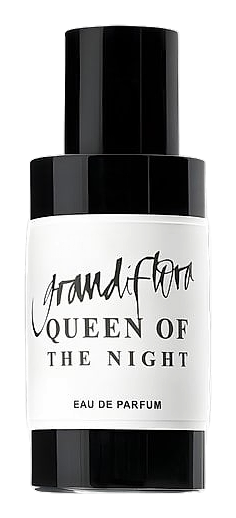
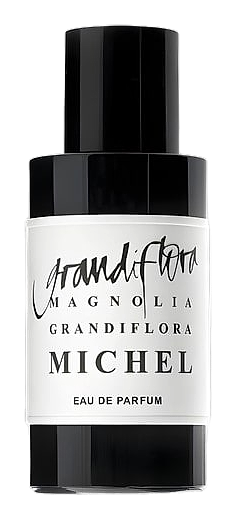
Saskia Havekes opened her first flower shop, Grandiflora, in Sydney's Potts Point in 1995. The shop became a destination for floral arrangements and botanical knowledge over the following years. The connection to perfumery came through Michael Edwards, the British fragrance expert who designed the fragrance wheel classification system and founded Fragrances of the World, a reference database used across the industry. Their meeting reportedly marked the beginning of Havekes's move into fragrance creation. The brand released its first perfume in 2013 with two expressions named Magnolia Grandiflora Michel and Magnolia Grandiflora Sandrine, establishing the floral direction that would define the collection. Subsequent releases expanded the range, including Queen of the Night in 2016, Madagascan Jasmine in 2015, and Boronia in 2017. The sixth fragrance, Saskia, arrived in 2020 to coincide with the 25th anniversary of the original flower shop. Christophe Laudamiel composed that fragrance, which was designed to evoke the living atmosphere of the Potts Point flagship. Grandiflora remains a small, founder-led operation with a focus on florist-roots and botanical authenticity rather than mass-market expansion. Havekes approaches fragrance as a natural extension of her work with fresh flowers. Where many perfumers interpret florals through abstraction or synthetic reconstruction, Grandiflora's compositions aim to evoke the living presence of flowers, rooted in decades of hands-on experience with their textures, colours and scent variations. Her perspective as a florist shapes how she selects and describes ingredients, emphasizing the difference between real flower experiences and perfumery conventions. The brand positions itself as a bridge between the flower shop and the perfume world, offering compositions that carry the sensory memory of working with botanicals daily. Each fragrance begins with a flower or botanical that has personal significance, often one she has used extensively in arrangements. This methodology gives the collection a coherence rooted in a single point of view rather than the collaborative brief structure common in larger fragrance houses. Havekes has described her role as translating the emotional quality of flowers into a format people can wear. The result is a collection that prioritises floral identity over trend-driven construction, with compositions that remain anchored to the original flower rather than moving far from it in execution.