
Heritage
A house, in its own words
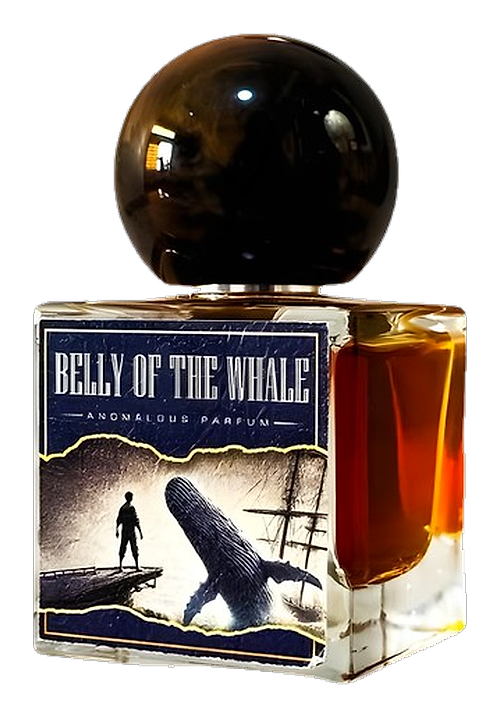
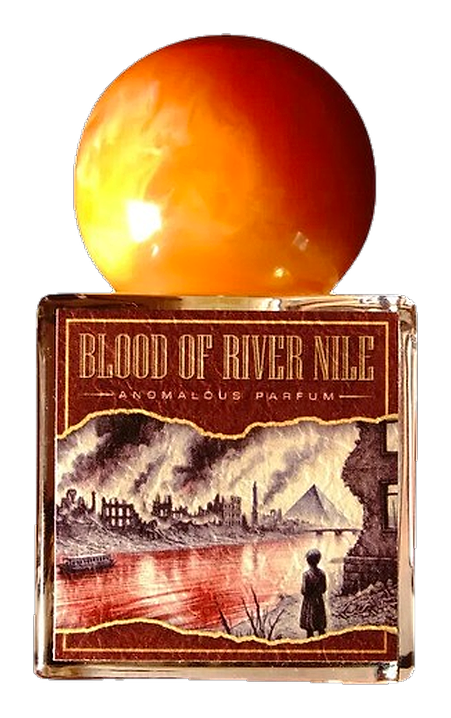
The origins of Anomalous Parfum trace to the personal journey of Zackaria Ibn Hossain, a self-taught perfumer operating from Sydney, Australia. Rather than emerging from formal perfumery training or industry apprenticeship, the house grew from individual study, experimentation, and a collector's approach to raw materials. Ibn Hossain describes himself as an artist and collector of rare ingredients, a framing that positions the perfumery practice as fundamentally different from commercial fragrance creation. The decision to build scents around historical and mythological narratives appears deliberate from the start, distinguishing Anomalous from houses that lead with ingredient pyramids or seasonal trend concepts. The brand gained visibility through independent fragrance communities and podcast appearances, including a conversation with the Olfactive Melbourne duo who profile niche fragrance houses. By 2024, the house had released multiple named compositions including Belly of the Whale, The Red Wedding, and Blood of River Nile, each carrying thematic specificity tied to historical or literary sources. The Australian niche fragrance scene remains relatively compact, and Anomalous occupies a distinctive space as a solo operation with a clear creative voice. The house has not disclosed formal founding year or business milestones in accessible sources, but its public presence suggests emergence within the prior few years, with concentrated activity in 2024. Anomalous Parfum operates from a conviction that fragrance should function as narrative medium rather than mere aesthetic accessory. Founder Zackaria Ibn Hossain approaches each composition as an act of storytelling, selecting and combining materials to evoke specific historical moments, mythological scenarios, or emotional arcs. This narrative priority shapes everything from naming conventions to material selection. The house gravitates toward bold, specific titles that immediately signal thematic content, inviting wearers to engage with the conceptual framework alongside the olfactory experience. Ibn Hossain's self-taught background appears consequential here: unburdened by formal training conventions, he approaches composition through curiosity and personal interpretation rather than industry templates. References to collecting rare ingredients suggest a materials-first philosophy where sourcing and quality determine creative possibility. The thematic scope spans war, romance, mythology, and historical events, reflecting an interest in the full spectrum of human experience rather than a narrow aesthetic category. Storytelling rooted in history serves as the connective thread across disparate releases, providing coherence without limiting creative range.