The Story
Why it exists.
The beginning
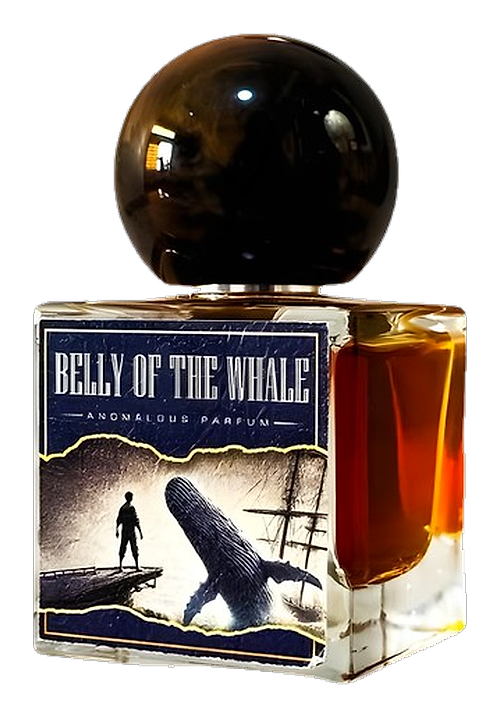
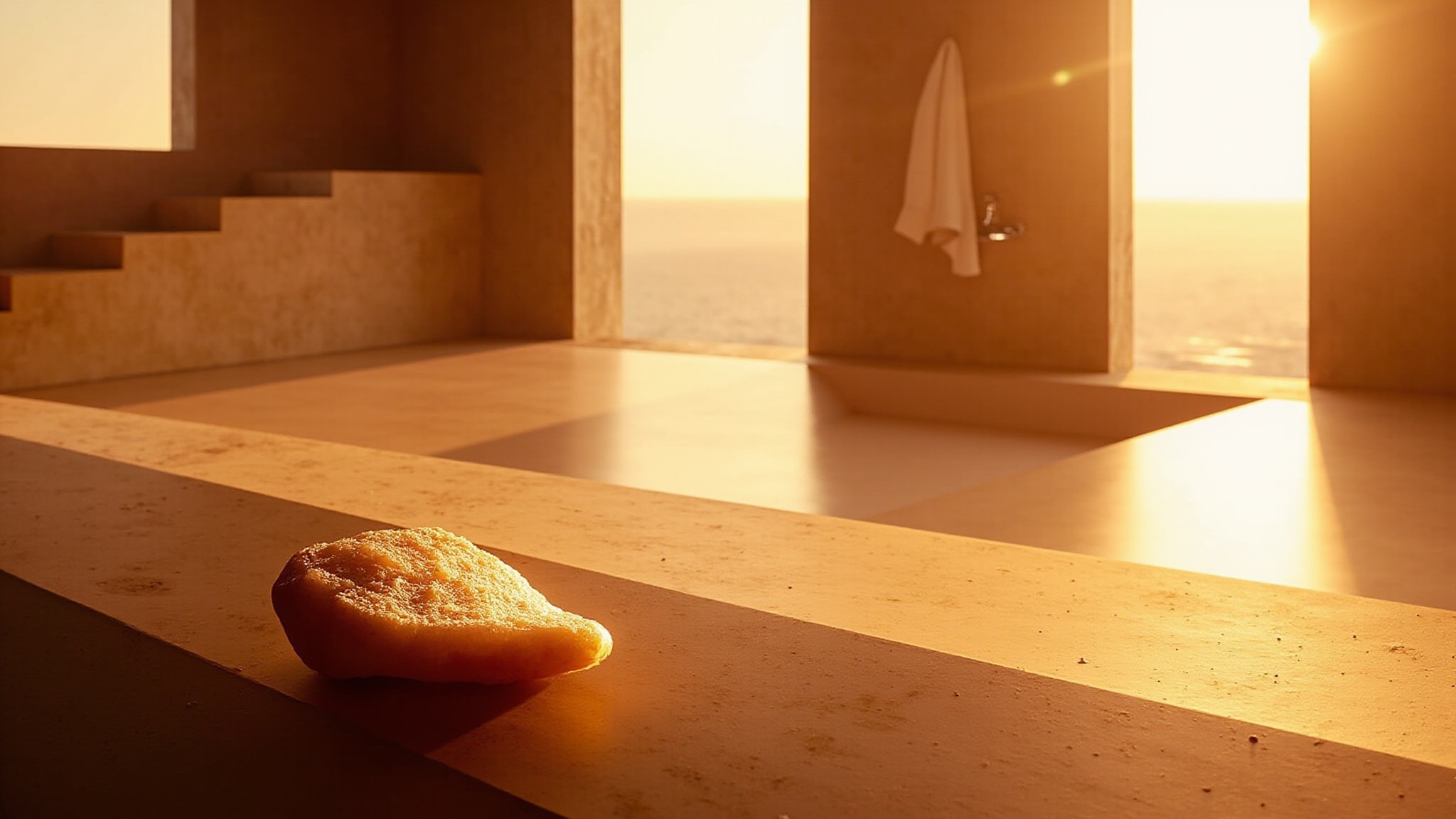
The name says everything. Belly of the Whale is a story about drowning and emergence, the moment the ocean swallows you whole and, somehow, gives you back. Perfumer Zackaria Ibn Hossain built this fragrance around that biblical image, the kind of narrative that feels too specific to be coincidence. It's not a sea-and-surf fragrance. It's something deeper: the darkness inside the wave, the salt that stays on your skin after you've surfaced. Hossain has described his work as storytelling through raw materials, and this is his most elemental chapter yet. The brief was simple, translate submersion into scent, but the execution kept the warmth. Because what saves Jonah isn't the whale. It's whatever comes after.
The unusual repetition of salt and ambergris across multiple pyramid layers isn't accidental. Hossain uses both as structural pillars rather than accent players. Salt appears in the top for the sharp aquatic opening, again in the heart to bridge marine and balsamic, and one more time in the base alongside the animalic notes. Ambergris does similar work, anchoring the heart, finishing the base. The result is a fragrance that circles back to its core materials rather than abandoning them for each new phase. Vanilla and benzoin provide the warmth that keeps the composition from going fully mineral. Sandalwood and musk ground everything into skin-close territory. It's a composition that trusts its anchors.
The evolution
The opening hits fast, salt and ozonic notes hit the air before you've finished spraying. The mandarin is there but brief, a flash of citrus that vanishes before you can pin it down. Within minutes, the amber and driftwood take over. That's the belly of this fragrance: warm, resinous, slightly austere. The ambergris doesn't hit immediately. Wait for it. Around the two-hour mark, it emerges, not as something animalic or challenging, but as a clean warmth that sits against the skin like a second layer. The vanilla follows, not sweet exactly, but present. What lingers longest is the combination: salt, amber, and that faint ambergris note holding everything together. On fabric, the salt fades first. On skin, the ambergris drydown can persist into evening. The next morning? A faint warmth, barely there, like salt dried into linen.
Cultural impact
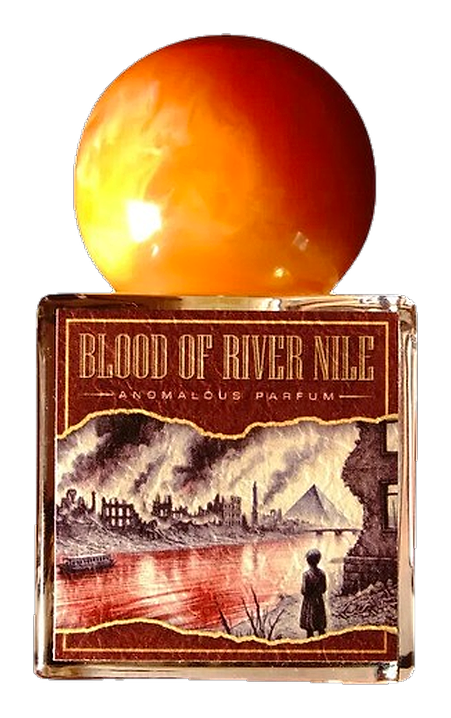
Marine ambers occupy a storied place in fragrance history, from the ancient Egyptians' use of ambergris to 20th century perfumery's exploration of oceanic themes. Belly of the Whale arrives at a moment when consumers seek meaning in their purchases beyond trend. The name alone suggests immersion, transformation, and emergence. Anomalous Parfum's narrative-driven approach challenges the fragrance industry to consider scent as cultural artifact rather than mere product. Salt as a structural note connects wearers to maritime traditions while the ambergris drydown nods to perfumery's animalic past. The 2024 release participates in a broader movement toward honesty in ingredients and storytelling.