
The Story
Why it exists.
The beginning
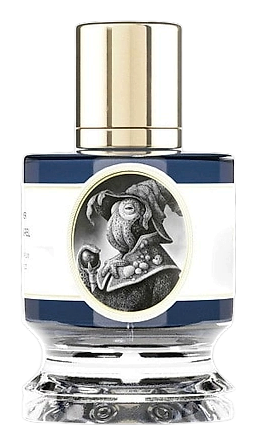
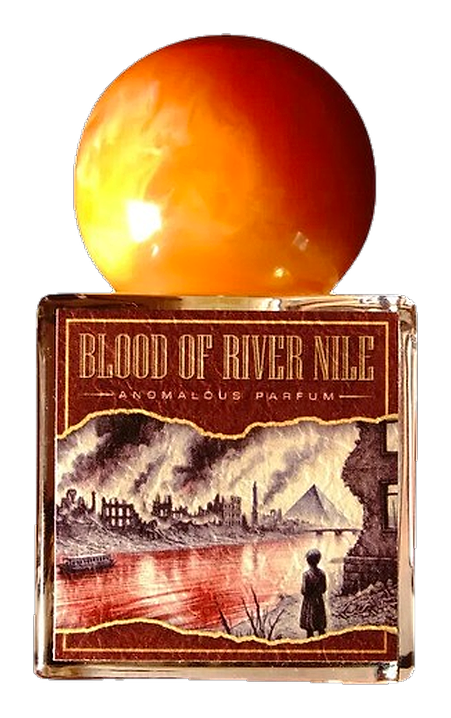
Zackaria Ibn Hossain named this one after the Nile. Not the tourist Nile, the one from the story where a kingdom turns on its own children and the river runs red with it. The official description doesn't hedge. It opens with the burning sun, the decree, the air going thick with dread. Then it reaches for the materials that can carry that weight: Kashmiri saffron, Egyptian jasmine, Cambodian oud, Bulgarian rose. Each ingredient named by its origin, like the geography itself is part of the formula. Ibn Hossain built this around a specific historical moment rather than a seasonal mood, which is how Anomalous Parfum approaches every release. The result is a fragrance that doesn't smell like anything generic, it smells like a place and a story, and that makes it impossible to mistake for anything else.
Five rose notes in the heart. That alone should tell you this isn't a quiet fragrance. Bulgarian rose, Damask rose, Turkish rose, and Rose Otto all arriving at once, layered over jasmine and osmanthus, it would be overwhelming if the civet weren't there to redirect it. The civet is the tell. That's the feral note that separates something pretty from something that actually has teeth. Without it, this would be a powdery rose fragrance. With it, the rose becomes something that hunted rather than bloomed. The base does something similar with two ouds, Cambodian and Indian, anchored by Egyptian myrrh and amber, then deepened with castoreum and deer musk. It's a lot of animalic material.
The evolution
The opening is bright. Neroli and mandarin orange open first, litsea cubeba adding a green citrus lift beneath the orange blossom. The saffron reads as a metallic warmth threading through the top, not a spice exactly, more like the smell of light through amber glass. This phase lasts the first hour, maybe longer if your skin runs cool. Around the one-hour mark, the heart arrives. Bulgarian rose takes the lead, jasmine and osmanthus filling in the spaces with their waxy, apricot sweetness. Then the civet. The civet doesn't hide. It arrives alongside the rose and shifts the entire composition from beautiful to something with a pulse. This is the part where the fragrance earns its name. The drydown begins around the second hour. Cambodian oud anchors everything, Egyptian myrrh and amber soften the edges, Australian sandalwood keeps it from going too dark. Castoreum and deer musk layer in animalic warmth that lingers close to the skin. Indonesian patchouli and orris root add earth and powder. This is where the fragrance becomes intimate and close.
Cultural impact
The brand's stated positioning is the intellectually restless, one who treats fragrance as mythological excavation, choosing narrative weight and historical complexity over what the market approves. Blood of River Nile fits that positioning exactly. It's a story about fear and blood, told through oud, rose, and animalic notes, and it pulls the emotional register of that narrative directly into the composition.