Afghan Neroli
Afghan Neroli captures the sun-drenched orange blossoms of Afghanistan's valleys, distilling centuries of fragrant heritage into a luminous, honeyed floral oil treasured by perfumers worldwide.
Character
How it smells
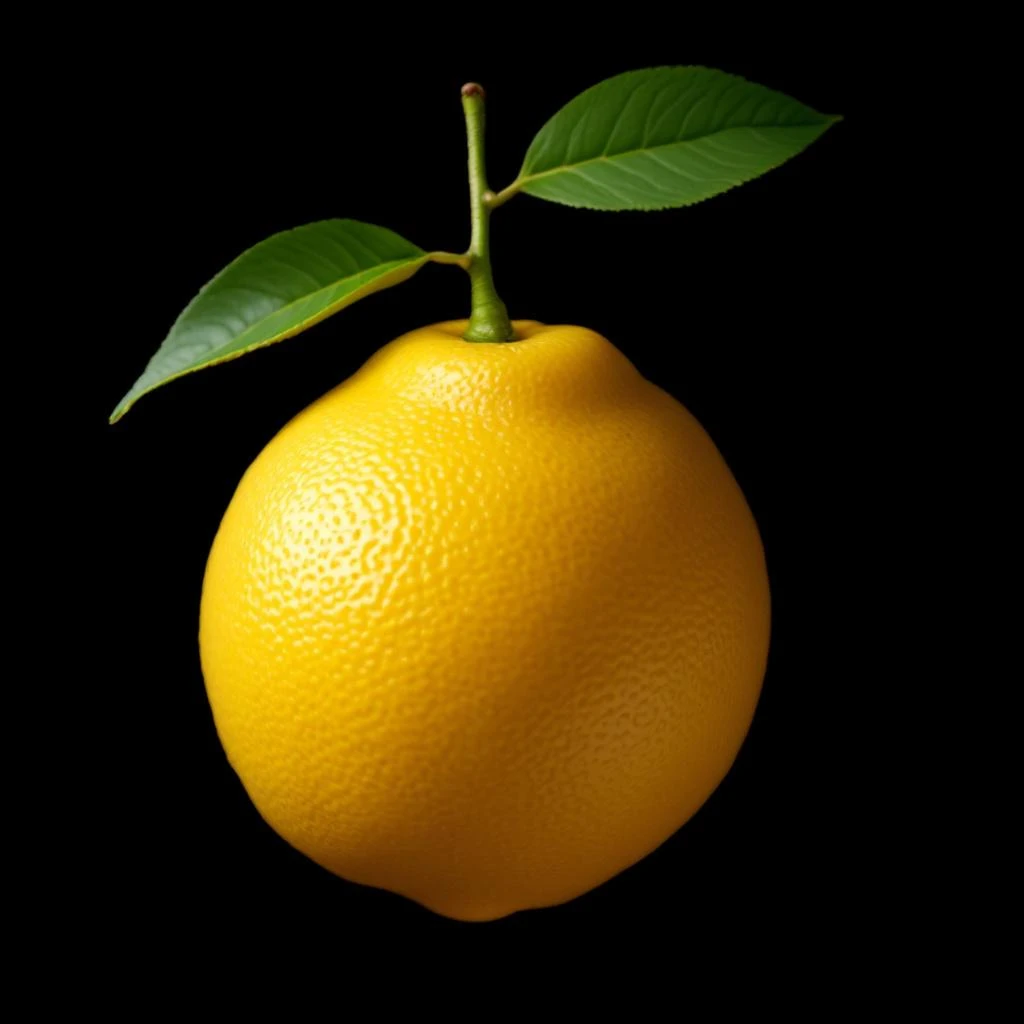
Orange blossom warmth from Afghanistan's highlands
Approximately 1,000 kilograms of orange blossoms yield just 1 kilogram of neroli oil, making each drop exceptionally precious.





Origin
Afghanistan
The story of neroli stretches back centuries, though the name itself emerged only in the 17th century. It derives from Anne-Marie Orsini, Princess of Nerola in Italy, who popularized the fragrance of orange blossoms among Roman nobility. Her practice of scenting her gloves and bathwater sparked a craze across Europe, transforming what had been a Mediterranean botanical into a fashionable fragrance.
Historical evidence suggests bitter orange trees originated in East Asia before spreading through the Mediterranean region via Arab traders. Afghan producers have cultivated their own traditions around neroli production for generations, developing expertise adapted to the country's particular growing conditions. Afghanistan's position along ancient trade routes contributed to its access to citrus cultivation, while the country's distinct climate—with warm summers and cold winters—produces orange blossoms with concentrated aromatic compounds.
The result is an oil with a unique character shaped by centuries of horticultural knowledge and an aromatic heritage bridging Persian and Central Asian traditions.
Wears it best
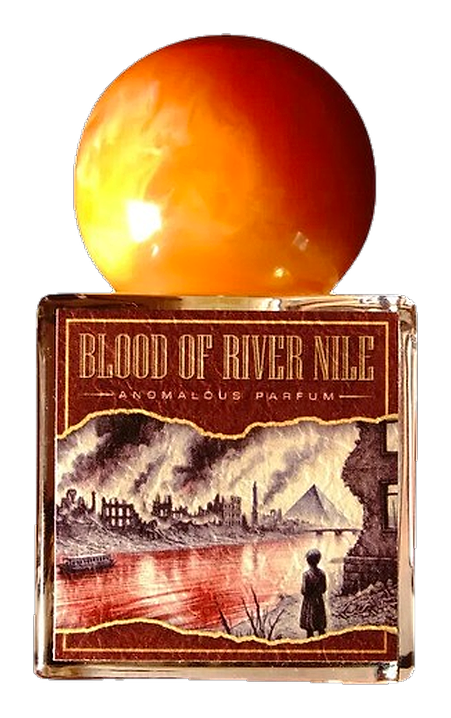
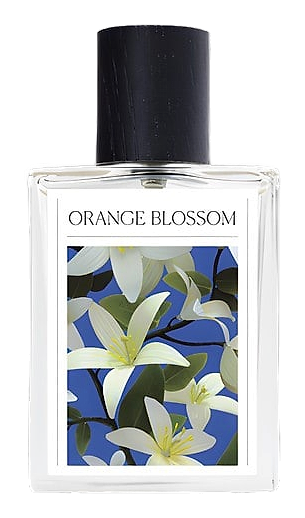
Fragrances featuring Afghan Neroli
Brands
Brands known for Afghan Neroli
Good to know
Questions, answered
The essentials on Afghan Neroli in perfumery: how it smells, where it comes from, and how it behaves on skin.
What makes Afghan Neroli distinctive from other neroli origins?
Afghan neroli develops unique characteristics due to the country's high-altitude climate. The stress of cold winters and warm summers concentrates the blossoms' aromatic compounds, producing an oil with particularly rich, warm floral notes with pronounced honeyed undertones.
How much neroli oil comes from orange blossoms?
Neroli yield is exceptionally low. Distillers require approximately 1,000 kilograms of freshly harvested orange blossoms to produce just 1 kilogram of neroli essential oil, explaining its premium status among aromatic materials.
What botanical source produces true neroli oil?
True neroli comes exclusively from the bitter orange tree, scientifically classified as Citrus aurantium amara. This species differs from sweet orange trees, and only its blossoms yield authentic neroli oil through steam distillation.
What aroma profile characterizes Afghan Neroli?
Afghan Neroli presents warm, honeyed floral sweetness balanced with fresh citrus facets and subtle green undertones. The honeyed quality distinguishes it from lighter neroli varieties, with a creamy orange blossom character that develops gracefully on skin.
Which fragrance families pair well with Afghan Neroli?
Afghan Neroli integrates seamlessly into floral, citrus, and chypre compositions. It harmonizes with rose, jasmine, and ylang-ylang among florals, while complementary contrasts emerge when paired with sandalwood, vetiver, or amber materials.
Does neroli oil have applications beyond perfumery?
Neroli appears frequently in aromatherapy for its reported calming properties. Practitioners diffuse it for relaxation or dilute it for massage applications. The oil requires proper dilution, as some individuals experience skin sensitivity.
How does neroli differ from orange flower water?
These are distinct products from the same botanical source. Orange flower water is a byproduct of steam distillation containing water-soluble compounds, while neroli is the concentrated essential oil. Neroli is far more potent and significantly more expensive.
What storage conditions preserve Afghan Neroli quality?
Store neroli in tightly sealed dark glass containers away from heat and light. Cool, dark storage extends its shelf life to several years. Refrigeration provides additional longevity for premium quality retention.