Kashmiri saffron
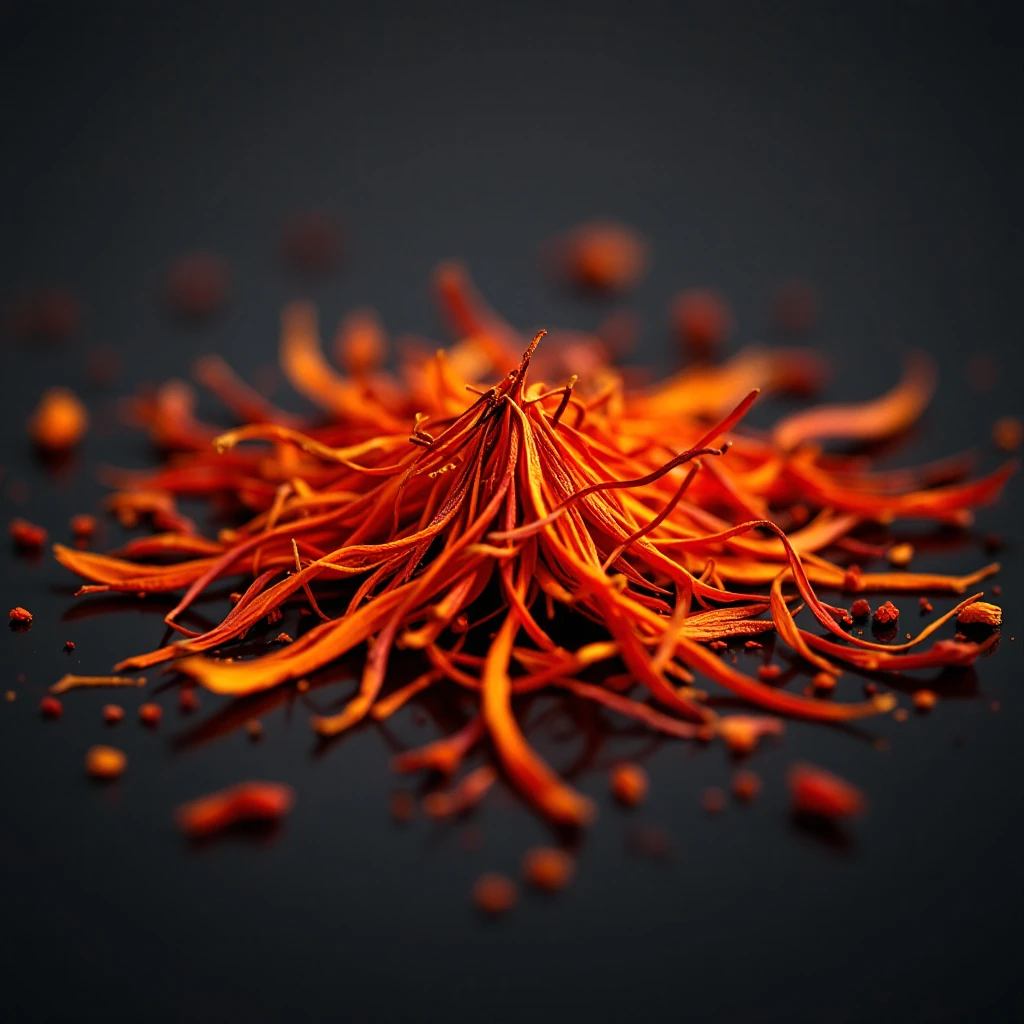
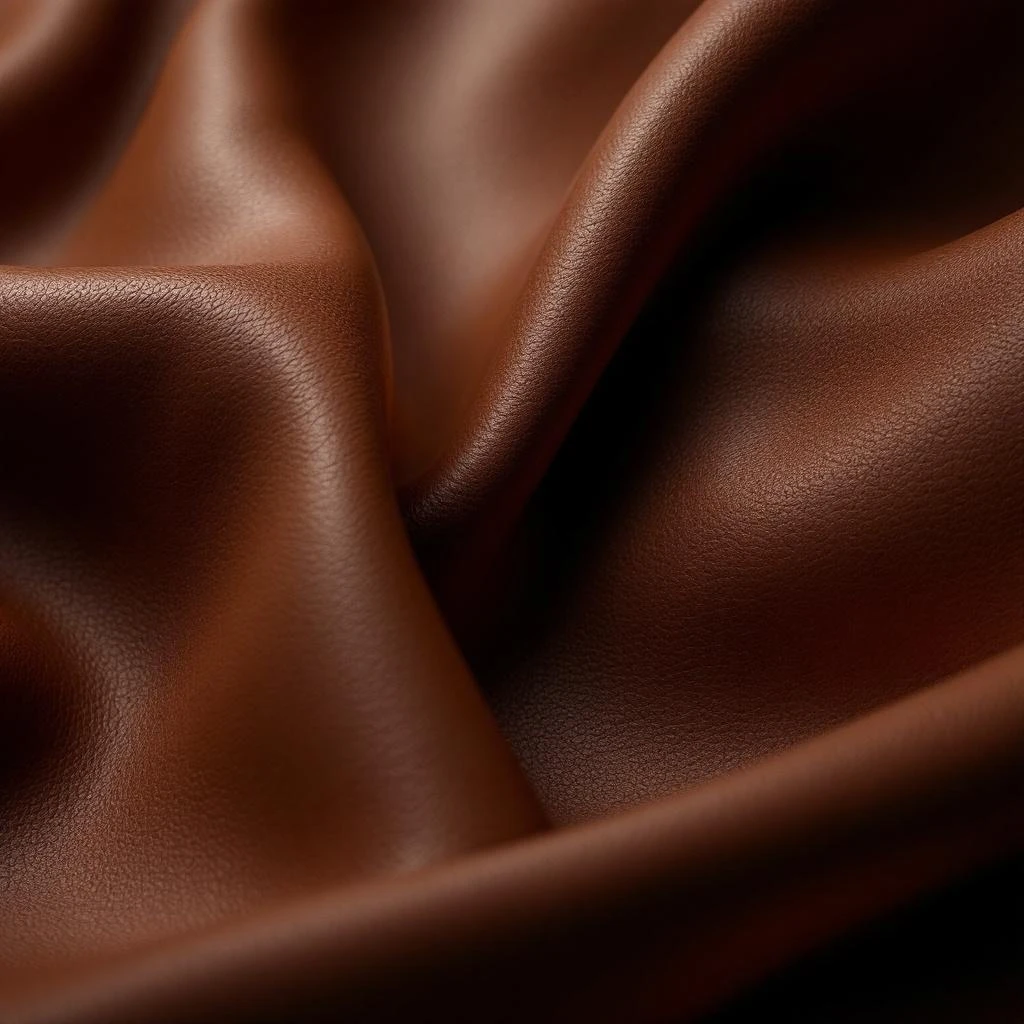
Kashmiri saffron carries the altitude of the Himalayas in its scent. Warm, honeyed, and faintly leathery, it brings a luxurious depth to fragrance compositions that synthetic alternatives cannot replicate.
Character
How it smells
The world's most labor-intensive perfume ingredient.
Each flower yields just three stigmas, and it takes roughly 170,000 flowers to produce a single kilogram of dried saffron.








Origin
India
Saffron originated in ancient Persia, where archaeological evidence places its use at more than 2,500 years. Persian traders or Buddhist monks carried the crocus corms along the Silk Route into Kashmir, where the unique high-altitude terroir proved remarkably suited to cultivation. Kashmir's saffron quickly earned a reputation for exceptional coloring strength and aroma complexity that distinguished it from Iranian production.
Ancient texts from Greece, Mesopotamia, and Persia all document saffron as a prized aromatic. Persian royalty reserved saffron-infused perfumes exclusively for court use, a tradition that shaped the ingredient's reputation as a symbol of luxury. When cultivation reached India, saffron joined the classic aromatic canon alongside sandalwood, agarwood, and musk, deeply embedded in Ayurvedic practice and perfumery traditions.
The harvest season in Kashmir has always carried ceremonial weight. Communities gather each October for a festival celebrating the saffron bloom, a tradition predating Mughal rule and continuing as an unbroken seasonal marker. Today, Kashmiri saffron holds Geographical Indication status, protecting its distinct identity in global markets.
Wears it best
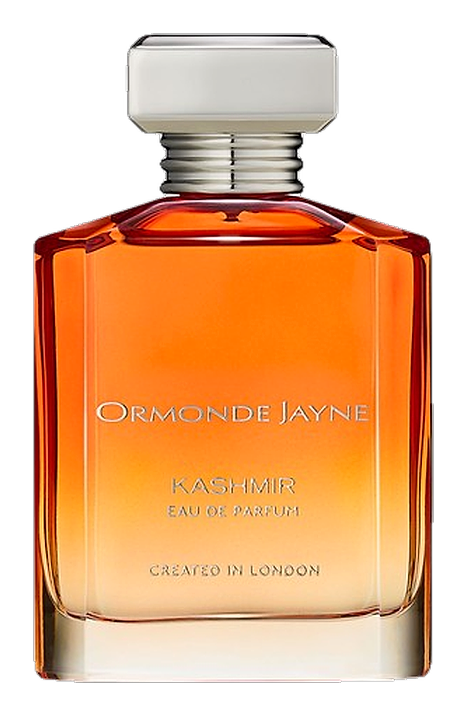
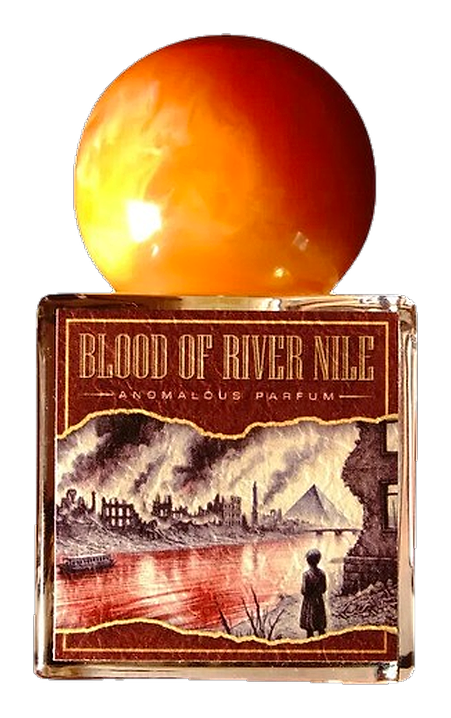
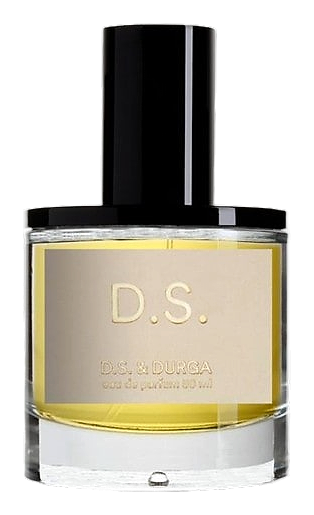
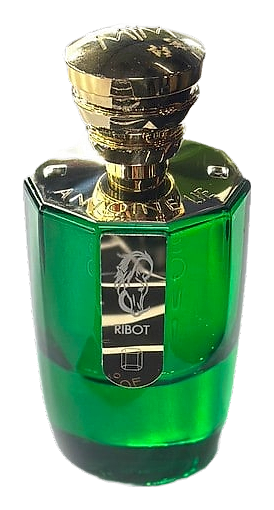
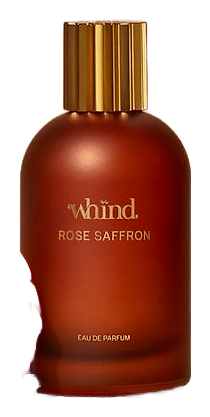
Fragrances featuring Kashmiri saffron
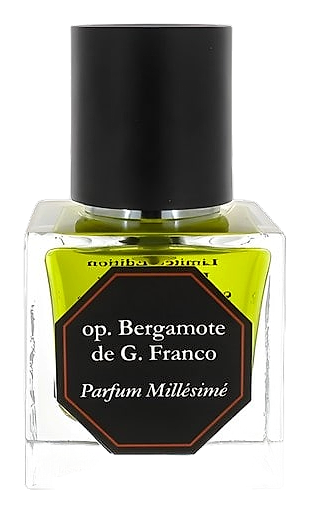
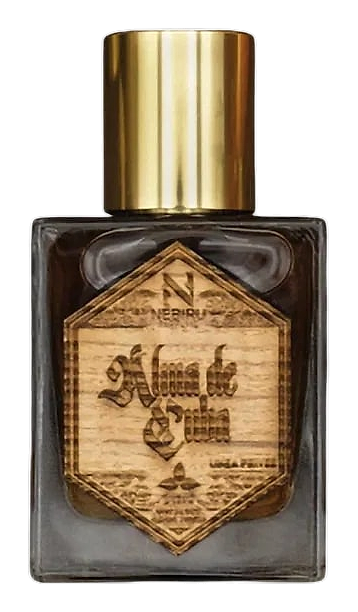



Brands
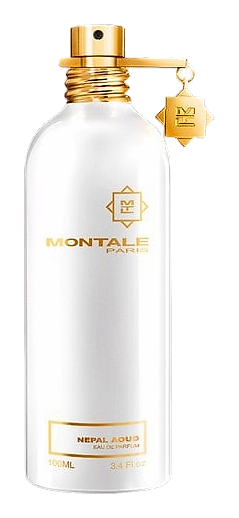
Brands known for Kashmiri saffron
Good to know
Questions, answered
The essentials on Kashmiri saffron in perfumery: how it smells, where it comes from, and how it behaves on skin.
Why is Kashmiri saffron so expensive in perfumery?
Kashmiri saffron commands premium prices because each crocus flower produces only three stigmas, and a single kilogram requires roughly 170,000 hand-picked flowers. The brief two-week harvest window and labor-intensive processing in a specific high-altitude region add further cost. Ultra-niche perfume houses use it in small quantities, typically as a tincture, where even a few grams elevate an entire fragrance composition.
Can synthetic saffron replicates capture the real thing?
Synthetic saffron substitutes exist but fall short in capturing the full complexity. Real Kashmiri saffron contains over 150 volatile compounds, including safranal, which provides the distinctive warm, hay-like note. The honeyed sweetness and faint leather quality in natural saffron come from compounds that synthetic chemistry has not fully mapped or replicated at reasonable cost.
What does Kashmiri saffron smell like in a fragrance?
Kashmiri saffron reads as warm, slightly bitter, and intensely aromatic with honeyed undertones. It carries a characteristic metallic edge often described as leathery or medicinal at high concentration. In dilution, the effect shifts toward a rich, golden sweetness with resinous depth that integrates seamlessly with amber, oud, and rose bases.
When do Kashmiri saffron flowers bloom?
The saffron crocus blooms for approximately two weeks each October in the Pampore region of Kashmir. Farmers must harvest daily during this narrow window, picking flowers before sunrise to prevent the delicate stigmas from wilting in sunlight. The timing is determined by altitude, temperature, and rainfall patterns that vary slightly each year.
What makes Kashmiri saffron different from Iranian saffron?
Kashmiri saffron typically exhibits stronger coloring power due to higher crocin content. The high-altitude, cooler climate produces threads with a distinctive honey-like sweetness and less bitterness than Iranian varieties. Kashmir saffron threads are also physically thicker and longer, characteristics perfumers associate with superior aromatic density per gram.
How do perfumers use Kashmiri saffron in formulations?
Most niche perfumers use Kashmiri saffron as a tincture, steeping whole threads in alcohol for several weeks to extract aromatic molecules gently. This method preserves delicate top-note characteristics that steam distillation would sacrifice. Some houses also use supercritical CO2 extraction for a more concentrated aromatic oil. The ingredient appears in minute quantities, usually as a heart-note modifier rather than a dominant element.
How should saffron tincture be stored?
Dried Kashmiri saffron threads keep well in airtight containers away from light and heat for up to two years without significant aroma loss. Prepared tinctures, if stored in dark glass bottles in a cool environment, maintain potency for several years. Moisture is the primary enemy, causing mold and rapid degradation of coloring strength and aromatic quality.
What quality grades exist for Kashmiri saffron?
Kashmiri saffron carries a Geographical Indication tag that classifies it into grades based on thread length, color intensity, and styling purity. The highest grade, Lachun, consists of long, thick threads with deep crimson coloring and no yellow floral waste. Lower grades contain increasing proportions of yellow stylets and shorter fragments. Perfumers typically source Lachun or similar premium grades for tincturing.