
The Story
Why it exists.
The beginning
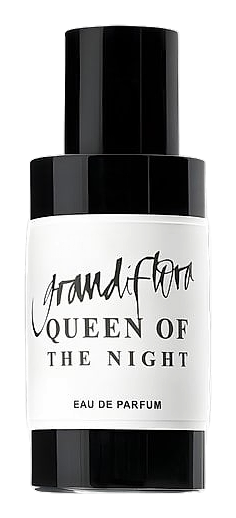
Queen of the Night takes its name from a cactus that blooms for a single night before wilting at dawn. It's one of the botanical world's most fleeting phenomena, a flower that opens, performs, and dies before most people ever know it happened. Bertrand Duchaufour built this fragrance around that same tension: the brief, staggering beauty of something that doesn't stay. The jasmine and orange blossom opening feels temporary, like the moment before a flower closes. But the warm woods and musk that follow linger, because some things, once experienced, refuse to fully leave the skin.
The white floral heart is where this fragrance earns its name. Jasmine and orange blossom perform together, heady and luminous, lifted by aldehydes that give the composition an unexpected vintage elegance. Pittosporum, an Australian botanical with a green, slightly honeyed floral character, adds an uncommon note that connects the fragrance back to Grandiflora's florist roots. The aldehydes are doing something clever here: they don't just brighten the opening. They persist into the drydown, lending a sophistication that most people feel without being able to name.
The evolution
The opening is bright and citrusy, Green Mandarin Orange and bergamot hit first, with clove adding a warm, slightly spiced edge that keeps the whole thing from feeling too delicate. Within minutes, the white florals arrive. Jasmine and orange blossom bloom together, heady and warm, while aldehydes give the composition a luminous lift. Pink pepper and cyclamen add a quiet complexity. The drydown is where this fragrance reveals its actual character. The florals soften. The aldehydes linger close to the skin, an unexpected vintage elegance that most people notice without being able to name. Sandalwood and musk take over, warm and close, and that's when you understand what the fragrance was really building toward. The white florals were the performance. The woods and musk are the point, they last, and last well, when the ephemeral notes have already gone.
Cultural impact
Queen of the Night has developed a devoted following among those who appreciate white florals without wanting something indolic or overwhelming. The name carries its own weight, a concept that speaks to beauty that doesn't apologize for being brief. It's found its audience through word of mouth among fragrance people looking for something that sits apart from mainstream florals.