Pittosporum
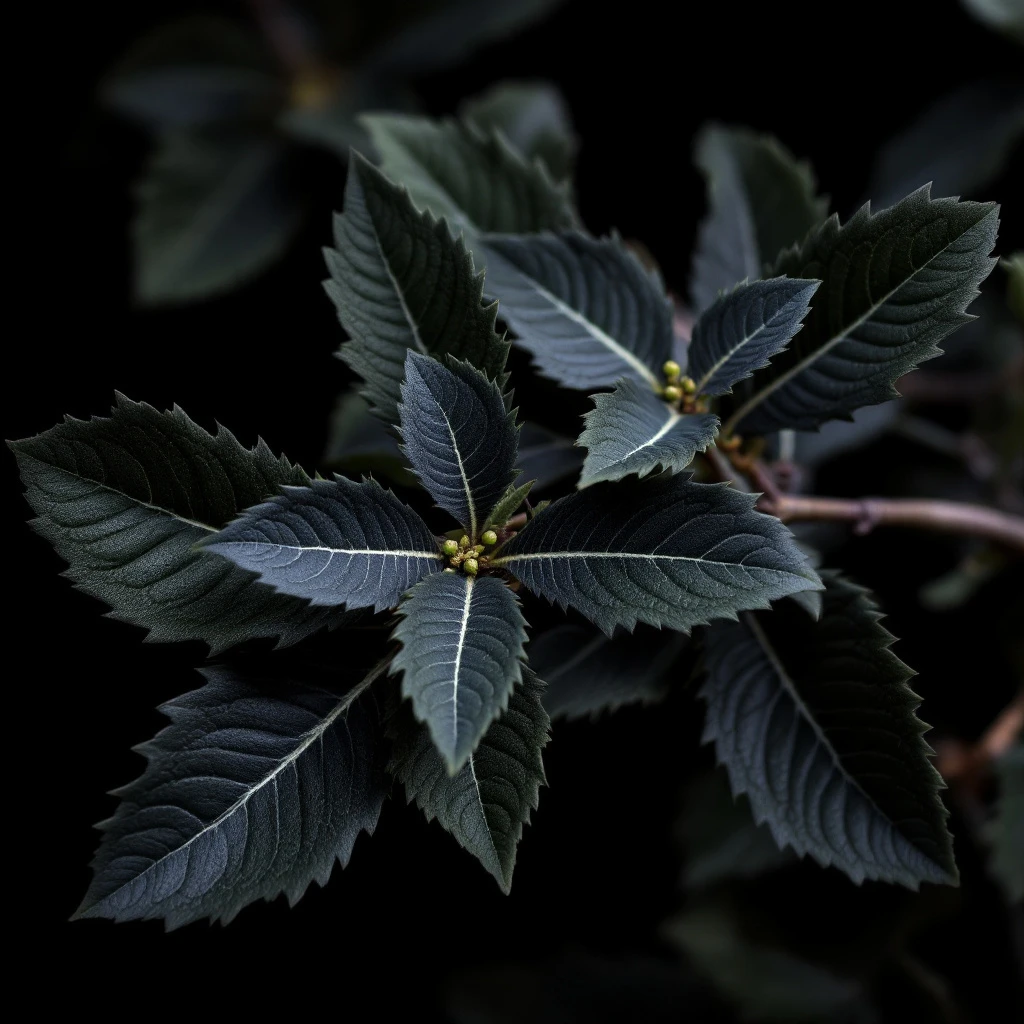
Pittosporum is a rare floral note in perfumery, valued for its delicate orange blossom character with green, gardenia-like nuances. It adds subtle freshness to white floral compositions, prized by perfumers seeking distinctive botanical signatures over common ingredients.
Character
How it smells
The forgotten white flower bringing quiet elegance to rare fragrance blends.
The name Pittosporum derives from Greek: pitta (pitch) and spora (seed), describing the plant's sticky seed coating.







Origin
Japan
Pittosporum tobira, known as Tobira in Japan, has grown for centuries in temple gardens across East Asia. Buddhist monks cultivated the shrub for its ornamental beauty and fragrant flowers, using the blooms in ceremonial offerings. The plant's journey westward began in the 18th century when botanical collectors brought specimens to European gardens.
Japanese fragrance traditions valued Tobira for its orange-blossom-like scent, but Western perfumery never fully adopted the ingredient. Today, Pittosporum represents a forgotten floral awaiting rediscovery, appearing primarily in niche fragrances dedicated to rare botanicals.
Wears it best
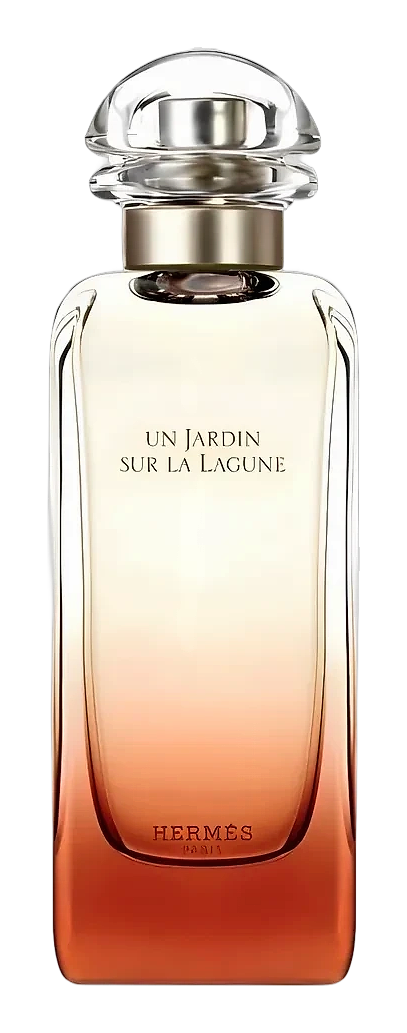
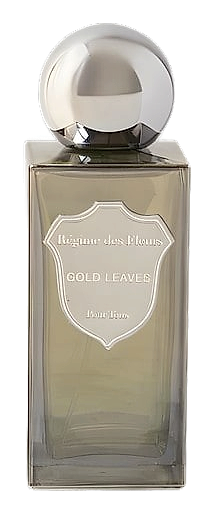
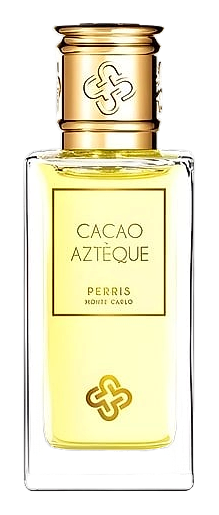
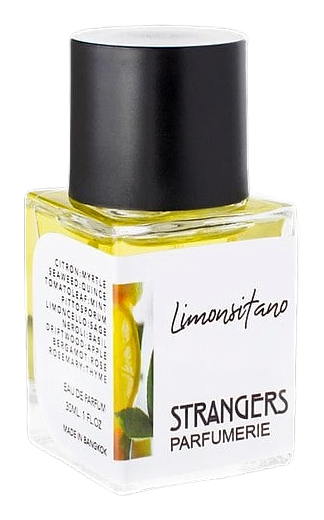
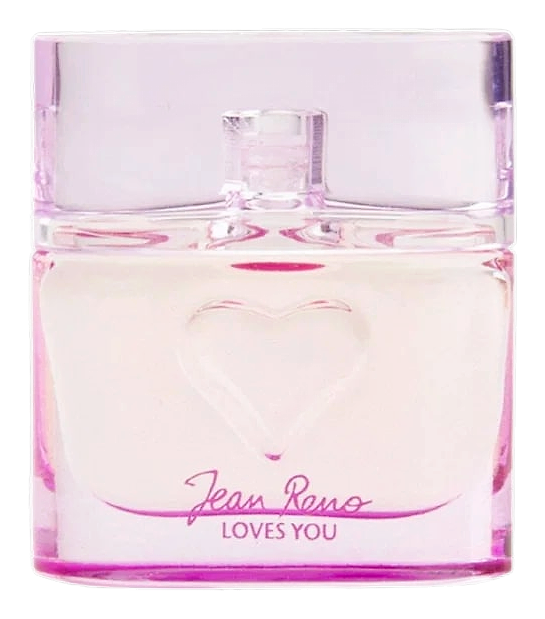
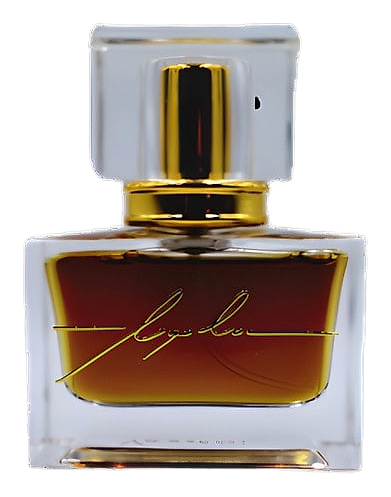
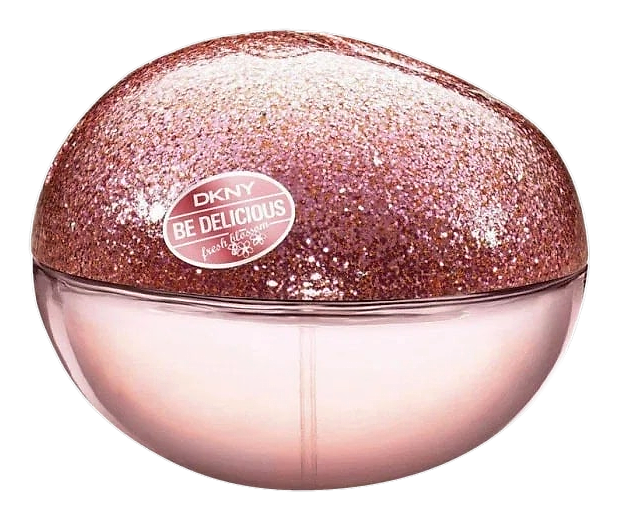
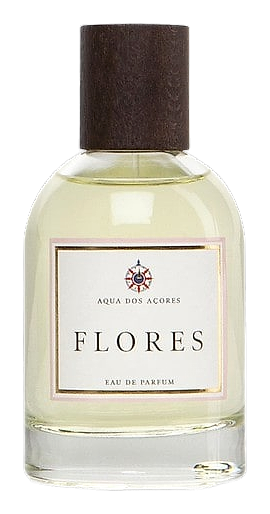
Fragrances featuring Pittosporum
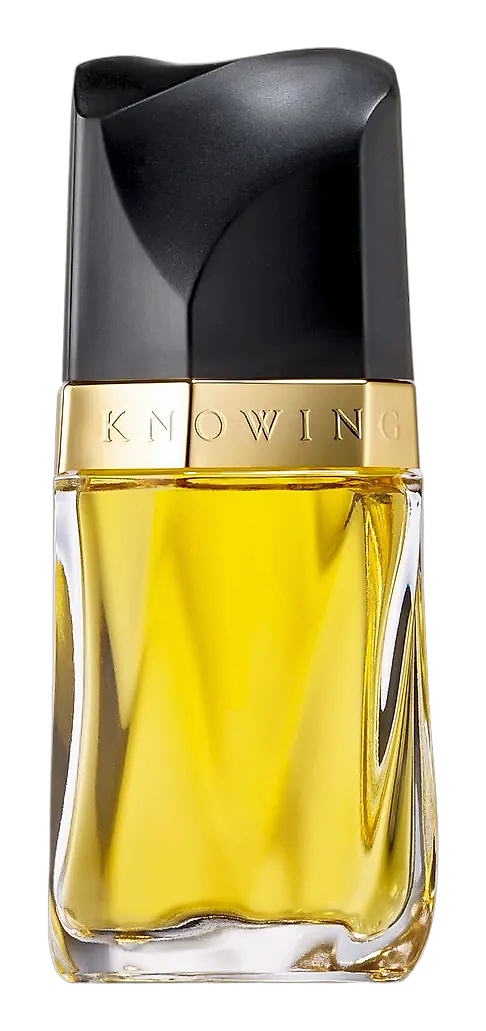
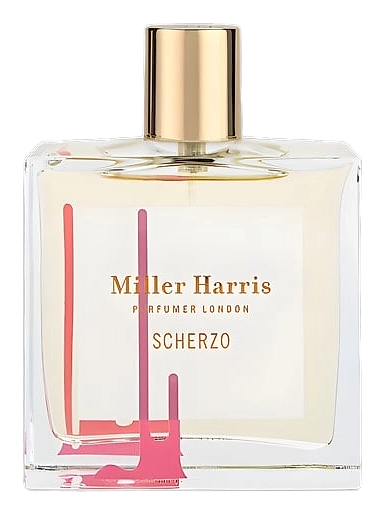
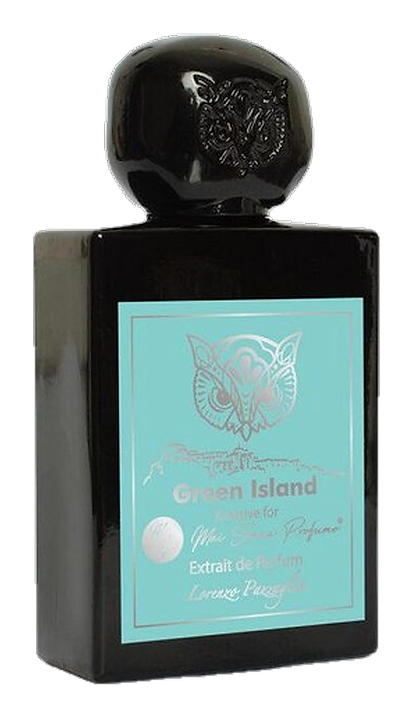
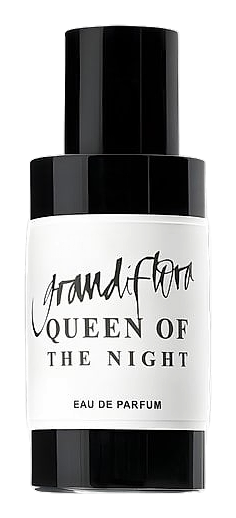
Good to know
Questions, answered
The essentials on Pittosporum in perfumery: how it smells, where it comes from, and how it behaves on skin.
What does Pittosporum smell like in perfume?
Pittosporum smells like a delicate white floral with pronounced orange blossom character. The scent combines creamy gardenia-like nuances with subtle green undertones, creating a fresh yet warm impression that resembles sunshine captured in a bottle.
Why is Pittosporum used in perfumery?
Pittosporum serves as a rare botanical that adds sophistication to white floral compositions. Only about 30 confirmed fragrances feature authentic Pittosporum absolute, making it distinctive among the thousands of perfumes that rely on common florals like jasmine and rose.
Is Pittosporum in perfume natural or synthetic?
Pittosporum exists in both forms, but natural Pittosporum absolute is exceptionally rare. Commercial perfumery primarily uses synthetic reconstructions that mimic the orange blossom-gardenia character. Authentic natural extracts appear mainly in artisanal and niche fragrances.
What famous perfumes contain Pittosporum?
Specific perfume formulations remain proprietary, but Pittosporum appears primarily in niche fragrances emphasizing rare botanicals. Brands like Atelier des Ors and specialists in forgotten florals have incorporated this note in limited-edition releases.
Is Pittosporum a top note, heart note, or base note?
Pittosporum functions as a heart note in fragrance construction. The floral character emerges during the mid-palette of a fragrance, lasting approximately 2 to 4 hours on skin before mellowing into the dry-down phase.
What notes pair well with Pittosporum in perfume?
Pittosporum pairs naturally with citrus elements like bergamot, green tea, and neroli. Within the floral family, jasmine and muguet complement its character. Light woods such as sandalwood and white musks provide grounding without overwhelming the delicate note.
How is Pittosporum extracted for perfumery?
Pittosporum requires solvent extraction because the delicate flowers lose their aromatic properties when heated. This method produces an absolute rather than an essential oil, yielding approximately 0.1 to 0.3 percent of the original flower material as usable extract.
Is Pittosporum used in men's or women's fragrances?
Pittosporum appears predominantly in women's fragrances, where it enhances white floral bouquets. However, masculine-oriented fragrances occasionally feature it as a sophisticated floral component, particularly in modern gender-fluid and unisex perfume lines.



