The Story
Why it exists.
The beginning
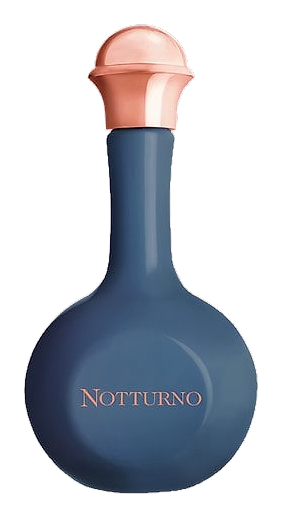
Gabriele D'Annunzio wrote at night, the Notturno form captures that particular quality of thought after midnight, when language loosens and edges blur. Barbara Zoebellein, commissioned by the house founded two years earlier, took this as her brief: a fragrance that exists in that liminal hour, neither fully awake nor asleep. Not a night scent in the literal sense. More like the scent of thoughts at 2am, sharper than they should be, warmer than you'd expect.
The choice of pittosporum is the tell. It's not a standard perfumery material, a waxy, green-white flower found in Mediterranean hedging. Unfamiliar to most noses, which means it arrives without expectation. Paired with ylang-ylang's tropical heat and anchored by cedarwood that arrives late, the composition rewards patience. The citrus-lavender opening is a controlled burn. What follows is slower, stranger, and more personal.
The evolution
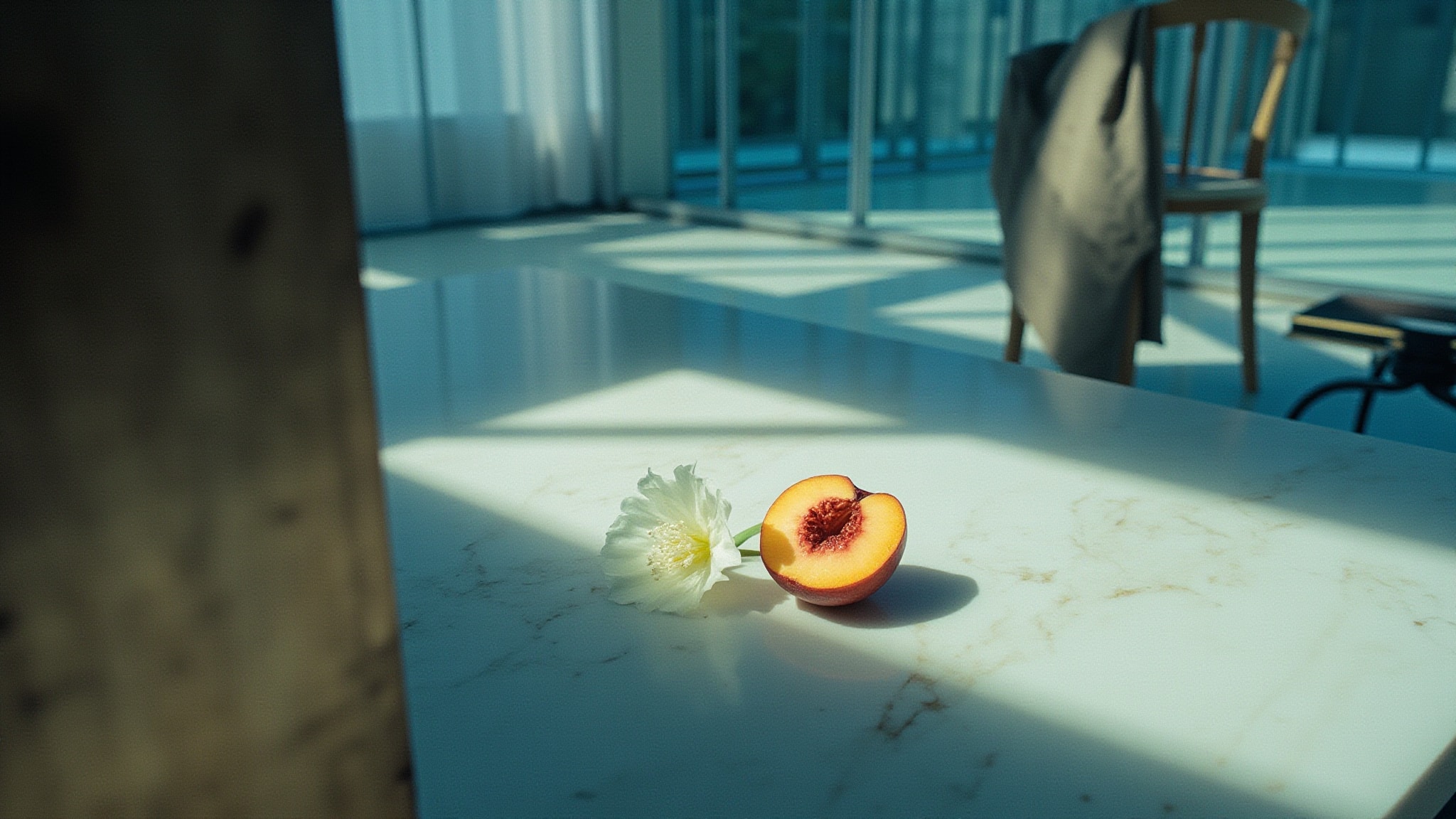
The opening is the shortest act. Citrus and lavender arrive together, bright, almost medicinal for the first ten minutes, before the peach nectarine softens everything into something rounder. Then the white florals stage their takeover. Orange blossom arrives around minute twenty, waxy and immediate. Ylang-ylang waits another ten minutes, then layers over the top like humid air. By hour two, the citrus memory has dissolved and you're wearing something entirely different: amber-warm, patchouli-earthy, cedarwood settling into the base like a foundation. On fabric, the cedar and patchouli combination holds for another four hours. On skin, plan for six to eight total.
Cultural impact
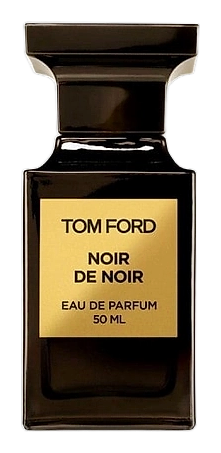
One reviewer noted a resemblance to Dior Midnight Poison, a comparison that points to Notturno's positioning: bold, after-dark florality with animalic warmth underneath. The limited-edition model and Italian literary framing set it apart from mass-market releases, making it a point of interest for collectors tracking niche houses with a coherent artistic identity.