    Brand Profile

    I Profumi di d'Annunzio is an Italian niche fragrance house that debuted in 2017. Drawing its name from the poet Gabriele D'Annunzio, the br…More

    Italy·Est. 2017

    4.7

    Rating

    6
    Il Piacere by I Profumi di d'Annunzio
    Best Seller
    4.7

    Il Piacere

    Il Fuoco by I Profumi di d'Annunzio
    Best Seller
    4.0

    Il Fuoco

    Diva Musa by I Profumi di d'Annunzio
    Best Seller
    4.0

    Diva Musa

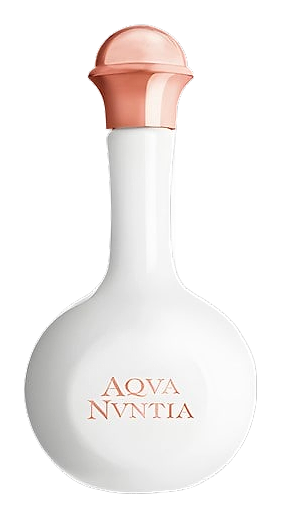
    Aqva Nvntia by I Profumi di d'Annunzio
    3.9

    Aqva Nvntia

    Notturno by I Profumi di d'Annunzio
    3.8

    Notturno

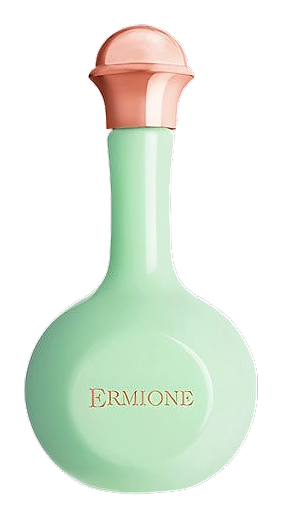
    Ermione by I Profumi di d'Annunzio
    3.7

    Ermione

    The Heritage

    The Story of I Profumi di d'Annunzio

    I Profumi di d'Annunzio is an Italian niche fragrance house that debuted in 2017. Drawing its name from the poet Gabriele D'Annunzio, the brand translates literary moods into scent. Within two years it released a compact catalogue that includes Il Piacere, Il Fuoco, Diva Musa, Aqva Nvntia, Notturno and Ermione. The line is positioned as a limited‑edition collection, each bottle bearing a visual nod to early‑20th‑century Italian publishing. Though the house is young, its releases have attracted attention from collectors and scholars interested in the crossroads of culture and perfume.

    Heritage

    The story of I Profumi di d'Annunzio begins in the spring of 2017, when a group of Italian fragrance enthusiasts decided to create a line that would echo the dramatic flair of Gabriele D'Annunzio’s poetry. The initiative was supported by the Venetian company Mavive, founded in 1986, which provided production facilities and distribution channels for the new scents. The first launch, Il Piacere, arrived in mid‑2017 and was followed by three additional releases the same year: Diva Musa, Aqva Nvntia and Ermione. In 2018 the house completed its core catalogue with Il Fuoco and Notturno, after which no further editions have been announced. A 2020 academic paper titled “Odorarius Mirabilis – I profumi di D'Annunzio” (economia.unipd.it) examined the brand as a case study of how perfume can intersect with cultural heritage, confirming the collaboration with Mavive and noting the brand’s emphasis on limited‑run production. The brand’s brief lifespan has been described as a “snapshot” of contemporary Italian niche perfumery, reflecting a period when several small houses experimented with literary themes. While the brand does not maintain a public corporate history, its releases have been catalogued on independent perfume databases such as Fragrantica, which records the 2017‑2018 launch window. The heritage of I Profumi di d'Annunzio therefore rests on a concise but focused burst of activity that linked Italy’s literary past with modern scent design, and it remains a point of reference for scholars exploring the cultural dimensions of fragrance.

    Craftsmanship

    Production for I Profumi di d'Annunzio was handled by the Venetian firm Mavive, which has a reputation for small‑batch manufacturing. The brand’s limited‑edition releases suggest a focus on quality over quantity, a practice confirmed by the academic analysis that describes the fragrances as “crafted in limited runs to preserve the integrity of each formula.” Independent perfumers were commissioned for each scent, though their names are not publicly disclosed. Ingredient sourcing appears to follow traditional Mediterranean routes, with citrus notes likely derived from Italian lemons and bergamot, and woody accords sourced from regional oak and cedar. The 2020 paper notes that the brand emphasized natural raw materials wherever possible, blending them with synthetics to achieve the desired literary mood. Quality control involved batch testing for consistency, a standard practice among niche houses that produce fewer bottles per release. Bottles were filled by hand in a controlled environment, and each batch was sealed with a gold‑foil cap to protect the fragrance from light and oxidation. The limited production scale allowed for meticulous attention to detail, from the precise measurement of aromatic compounds to the final packaging stage, ensuring that each perfume remained true to the original artistic concept.

    Design Language

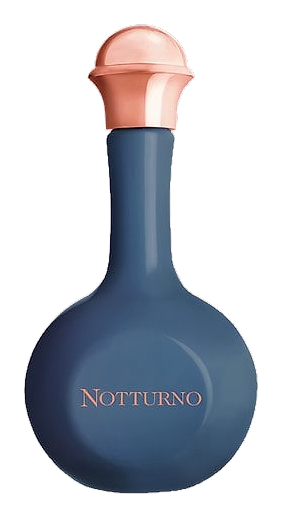
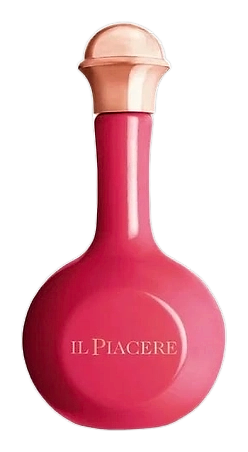
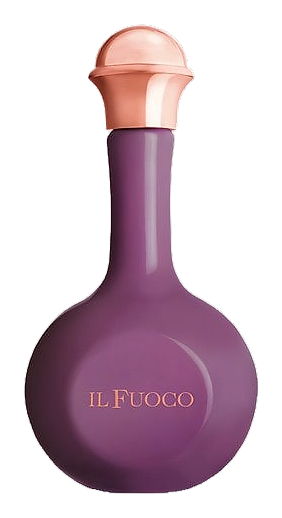
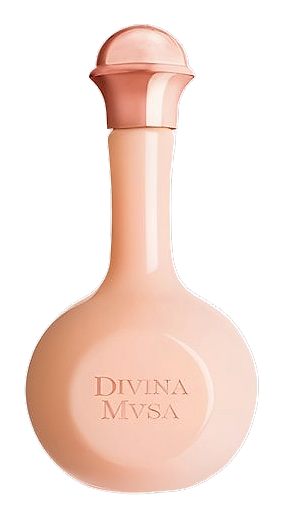
    The visual identity of I Profumi di d'Annunzio mirrors its literary inspiration. Bottles are crafted from amber‑tinted glass, a nod to the warm tones of early 20th‑century book covers. Labels feature serif typography reminiscent of the poet’s original publications, with gold‑foil lettering that adds a subtle sense of ceremony. Each fragrance name appears in a stylized script that evokes handwritten manuscripts, reinforcing the connection to poetry. The overall design is minimalist yet purposeful, avoiding excessive ornamentation in favor of clean lines that let the bottle’s material and color speak for themselves. Photographs on Fragrantica display the bottles standing on dark velvet pads, highlighting the contrast between the glass and the gold cap. The brand’s promotional imagery, when present, often includes sepia‑toned photographs of Italian landscapes or vintage typewriters, further linking scent to cultural memory. This aesthetic strategy creates a cohesive brand image that feels both historic and contemporary, appealing to collectors who appreciate a narrative visual experience as much as the fragrance itself.

    Philosophy

    I Profumi di d'Annunzio positions itself as a bridge between poetry and perfume. The brand’s stated aim, as reported on niche fragrance platforms, is to capture the emotional intensity of D'Annunzio’s verses in olfactory form. Each fragrance is named after a concept or character that appears in the poet’s work, suggesting a narrative intent rather than a purely decorative scent. The creators have emphasized restraint, opting for a limited‑edition model that allows each composition to be experienced as a singular artistic statement. According to the 2020 university paper, the brand’s philosophy includes a respect for Italy’s cultural legacy and a desire to provoke contemplation through scent. The house avoids mass‑market distribution, preferring boutique channels that align with its curatorial approach. By limiting the number of releases to a handful over two years, the brand underscores a belief that scarcity can heighten the personal connection between wearer and fragrance, echoing the poet’s own advocacy for intense, fleeting experiences. This philosophy aligns with a broader trend in niche perfumery that values storytelling, authenticity, and a close relationship between the creator’s vision and the consumer’s perception.

    Key Milestones

    2017

    Launch of the first four fragrances: Il Piacere, Diva Musa, Aqva Nvntia and Ermione.

    2018

    Release of the final two scents, Il Fuoco and Notturno, completing the core catalogue.

    2020

    Publication of the academic paper “Odorarius Mirabilis – I profumi di D'Annunzio” analyzing the brand’s cultural approach.

    2021

    Inclusion of the brand’s fragrances in niche perfume exhibitions in Venice, highlighting the literary theme.

    At a Glance

    Brand profile snapshot

    Origin

    Italy

    Founded

    2017

    Heritage

    9

    Years active

    Collection

    1

    Fragrances released

    Avg Rating

    4.7

    Community sentiment

    Release Rhythm

    2018
    2
    2017
    4

    Did You Know?

    Interesting Facts

    Distinctive details and defining moments that shape the house personality.

    01

    All six fragrances were released within a two‑year window, making the brand one of the most concentrated launches in recent Italian niche perfumery.

    02

    The brand’s name directly references Gabriele D'Annunzio, a poet whose works are rarely used as a thematic basis for perfume collections.

    03

    Production was carried out by Mavive, a Venetian company founded in 1986, which typically supplies boutique fragrance houses.

    04

    Each bottle’s gold‑foil cap was hand‑applied, a detail that is uncommon in mass‑produced scents but aligns with the brand’s limited‑edition ethos.

    The Artisans

    The Perfumers