The Story
Why it exists.
The beginning
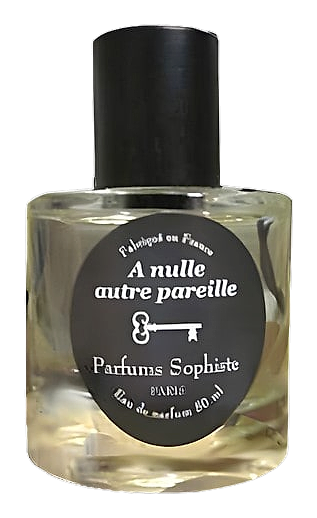
The name says it all: A Nulle Autre Pareille, like no other. Her answer started with an unusual pairing: the cool, edible quality of pistachio and the delicate, slightly bitter edge of mimosa. She bridged them with basil's herbal snap and let the whole thing breathe over a heart of white florals. The pistachio opens with a creamy, almost lactonic sweetness that feels edible without becoming sugary. Mimosa adds a subtle astringency, a dry floral quality that keeps the nuttiness grounded. Basil lifts the mid-section with its bright, green aromatic character, preventing the composition from becoming too heavy. As the white florals emerge, they bring a translucent, slightly soapy cleanliness that softens the edges.
The rice paper note is the quiet structural choice that makes everything else work. It's translucent, slightly textured, and carries the florals without drowning them. Combined with basil's green snap and musk's animal softness, the composition achieves something unusual: a powdery warmth that never becomes overwhelming, a floral that never tips into sweetness. The honey isn't syrupy, it's the golden thread that connects the cool opening to the warm base, keeping the whole thing coherent.
The evolution
The opening is quiet. Basil and mimosa arrive soft, almost shy, with pistachio providing a subtle edible quality that keeps things interesting. Within twenty minutes, the jasmine emerges, creamy, not indolic, followed by lily of the valley threading through rice paper. The florals don't explode; they unfurl. By hour three, honey and musk take over, but gently. No dramatic shift. The drydown is a skin-close warmth that persists for hours, the kind you catch when you move your wrist past your face. Lasts a full workday on most skin types, occasionally longer on fabric.
Cultural impact
A Nulle Autre Pareille arrived with a pistachio-mimosa opening that was unconventional for its era. The rice paper accord became a defining characteristic of the scent. These elements combined to create something distinct in the niche fragrance landscape of the early 2010s, when perfumers were increasingly experimenting with non-traditional materials and unexpected note pairings.