Rice Paper
A clean, papery aroma that brings quiet sophistication to fragrance compositions. Rice paper note evokes the subtle warmth of handmade paper — starchy, slightly sweet, with a delicate nuttiness that lingers close to the skin.

Character
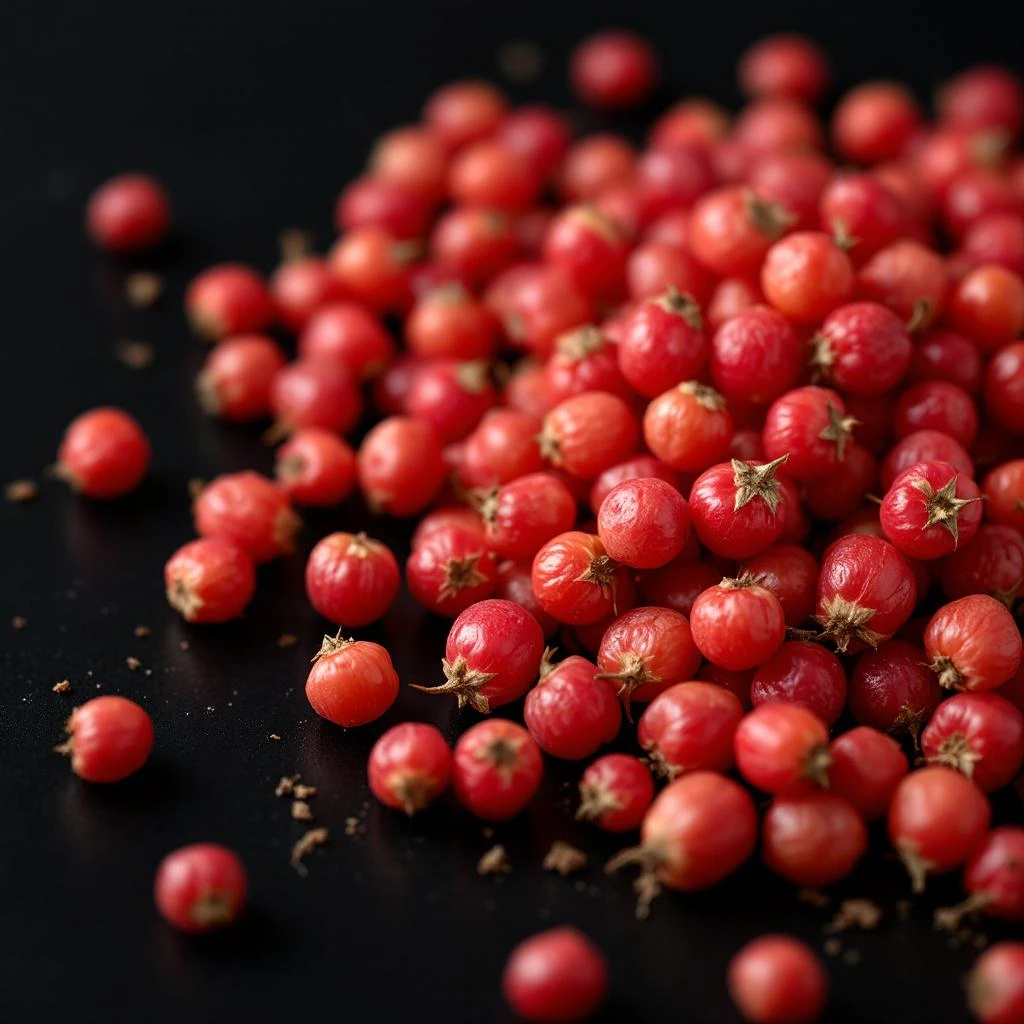
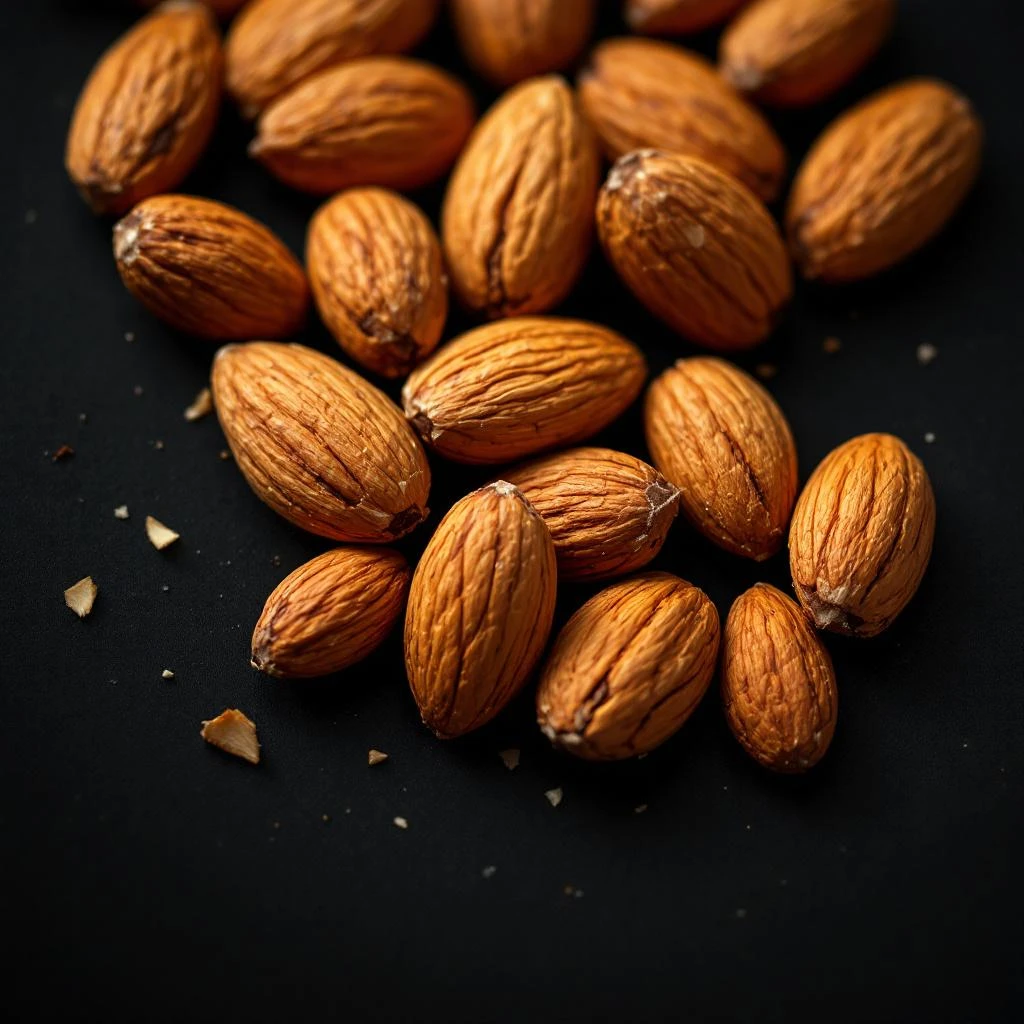
How it smells
The quiet warmth of handmade paper in a fragrance.
The signature aroma of rice comes from 2-acetyl-1-pyrroline, the same compound that gives fresh bread its inviting smell.







Origin
Japan
Rice cultivation began in China's Yangtze River valley around 8000 BCE, eventually spreading across East and Southeast Asia. Japanese artisans developed washi paper, a traditional handmade paper that used rice starch as a binding agent. This rice-tinged papyrus carried a distinctive scent that became deeply associated with craft, simplicity, and elegance.
When perfumers began seeking clean, subtle base notes in the 20th century, the rice paper concept emerged as a way to evoke this quiet sophistication. The note draws on centuries of rice culture while serving modern fragrance needs for smooth, unobtrusive warmth.
Wears it best
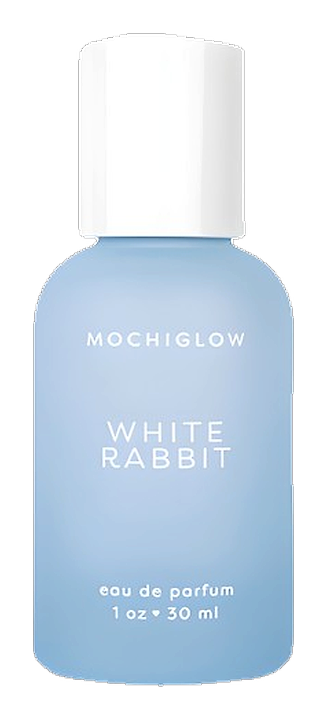
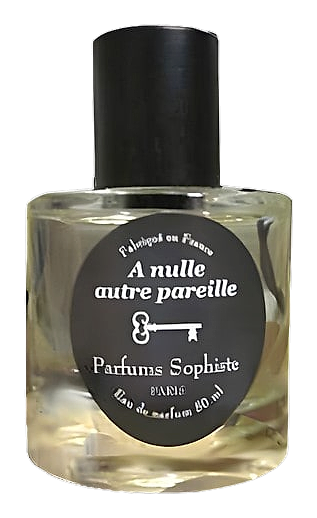
Fragrances featuring Rice Paper


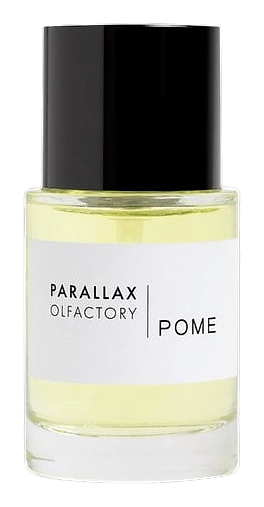
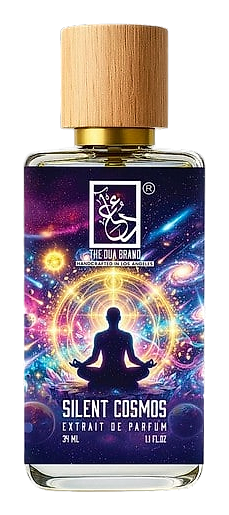
Brands
Brands known for Rice Paper
Good to know
Questions, answered
The essentials on Rice Paper in perfumery: how it smells, where it comes from, and how it behaves on skin.
What does rice paper note smell like?
Rice paper note smells clean, papery, and subtly starchy with a gentle nuttiness. The effect is close to the skin rather than projection-focused, providing a smooth, quiet base that evokes freshly pressed paper.
Is rice paper a natural or synthetic ingredient?
Rice paper in perfumery is primarily synthetic, designed to replicate the delicate scent of rice paper or cooked rice. Key molecules like 2-acetyl-1-pyrroline provide the characteristic starchy, papery character.
What fragrances feature rice paper note?
Rice paper appears across different fragrance styles — from delicate florals to clean modern perfumes. It works particularly well in minimalist and skin-close compositions where subtle warmth matters more than bold projection.
What role does rice paper play in fragrance composition?
Rice paper functions as a skin or base note, smoothing transitions between scent layers and providing a clean, quiet finish. It adds subtle warmth without competing with more prominent heart or top notes.
What compound gives rice its distinctive aroma?
2-Acetyl-1-pyrroline creates the characteristic aroma found in both rice and bread. This molecule appears at trace levels in natural rice but is synthesized for consistent use in perfumery.
How does rice paper note differ from rice note?
Rice paper leans toward clean papery warmth, while rice accord emphasizes the starchy, slightly buttery quality of cooked grains. Both can coexist in a formula, with rice paper providing cleaner edges.
Does rice paper smell different in various fragrance types?
Rice paper adapts to its context. In oriental fragrances, it adds a clean, papery counterpoint. In fresh fragrances, it contributes understated warmth. The effect is subtle across contexts, maintaining its quiet character.
Is rice paper note suitable for sensitive skin?
Rice paper note is generally considered gentle and unobtrusive. As a synthetic aroma chemical rather than an allergenic natural extract, it avoids many skin concerns associated with natural ingredients. Patch testing remains advisable for sensitive individuals.