The Story
Why it exists.
The beginning
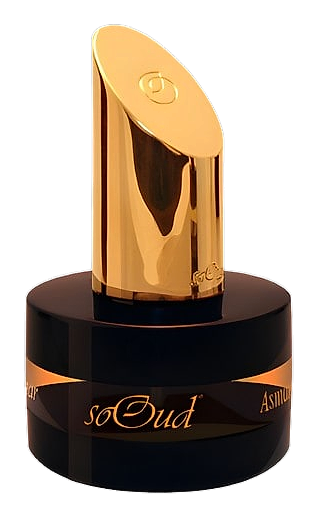
Asmar arrived in 2010 as SoOud's debut, the first statement of what this house wanted to become. Stéphane Humbert Lucas built it around a tension that still defines the brand: agarwood's resinous depth paired with something lighter, more approachable. The name itself suggests sweetness, and the composition delivers exactly that, not as a softener, but as a counterweight to tobacco, suede, and the mineral dust of hot stone. Asmar is the scent of the desert fringe, where markets end and silence begins.
What makes Asmar interesting isn't any single material, it's how the composition refuses to choose between warmth and clarity. The bergamot top keeps the honey from becoming syrupy. The coffee note, listed alongside grape marc and amber, gives the sweetness an edge that reads almost savory in certain lights. And the suede, suede is the quiet achiever here. It softens the tobacco, wraps the vanilla in something that feels worn rather than sweet. This isn't a fragrance that announces itself. It's one that reveals.
The evolution
The bergamot opens bright, a flash of citrus that lasts maybe fifteen minutes before the honey thickens the air. This is where the shift happens, bergamot disappears and suddenly you're in tobacco leaf, amber, and something that smells like the cover of a book left in the sun. The heart holds for a few hours, warm and slightly powdery from the carnation, before the drydown takes over. Vanilla and suede settle close to the skin. The coffee note, present throughout, becomes more pronounced as everything else softens. What lingers the next morning is suede and a ghost of amber, intimate, quiet, impossible to scrub out completely.
Cultural impact
Asmar set the template for SoOud's house character: warm, honeyed, and unapologetically dusty. Early collectors gravitated toward it as an introduction to the brand's philosophy, agarwood treated as a living material, its story told through tobacco, amber, and suede rather than raw resin. Subsequent releases like Ilham (2014) and Jade (2016) pushed further into international niche markets, but Asmar remains the house's foundational statement.