
The Story
Why it exists.
The beginning
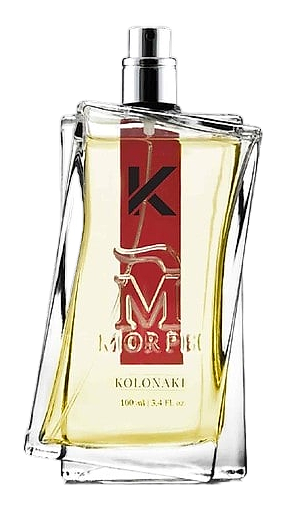
Kolonaki takes its name from one of Athens' most exclusive neighborhoods, the kind of place where old money lingers over coffee and slow afternoons. But this fragrance isn't about that neighborhood's restraint. It's about the collision: the cool marble of a Kolonaki café against the heat of a Mediterranean evening, where discretion gives way to something rawer.
The note structure is deliberately contradictory. Truffle, earthy, almost fungal, meets mandarin and grapefruit in the opening, creating a savory-citrus tension that most perfumers would resolve immediately. Morph doesn't. That unresolved quality is the point: Kolonaki refuses to commit to safe. The cumin in the heart adds animalic warmth while pink pepper and cinnamon introduce warmth without sweetness. This is a composition built on friction.
The evolution
The opening hits fast, truffle and citrus arrive together, pulling in opposite directions for the first fifteen minutes. Basil adds green depth, tempering the grapefruit's brightness. By the thirty-minute mark, the heart takes over: cardamom and cinnamon warm up, cumin emerges as a skin-like presence that some will read as animalic and others as intimate. The drydown is where this fragrance earns its longevity. Patchouli and oud settle into skin for eight to ten hours, with vetiver adding a dry, mineral finish. On fabric, it lasts overnight.
Cultural impact
Kolonaki occupies a specific space in the niche fragrance landscape: bold enough to alienate, interesting enough to convert. The truffle-cumin combination draws wearers who've moved past safe florals and clean citrus. It's the kind of fragrance that sparks conversation, not because it fills a room, but because it says something.