Truffle
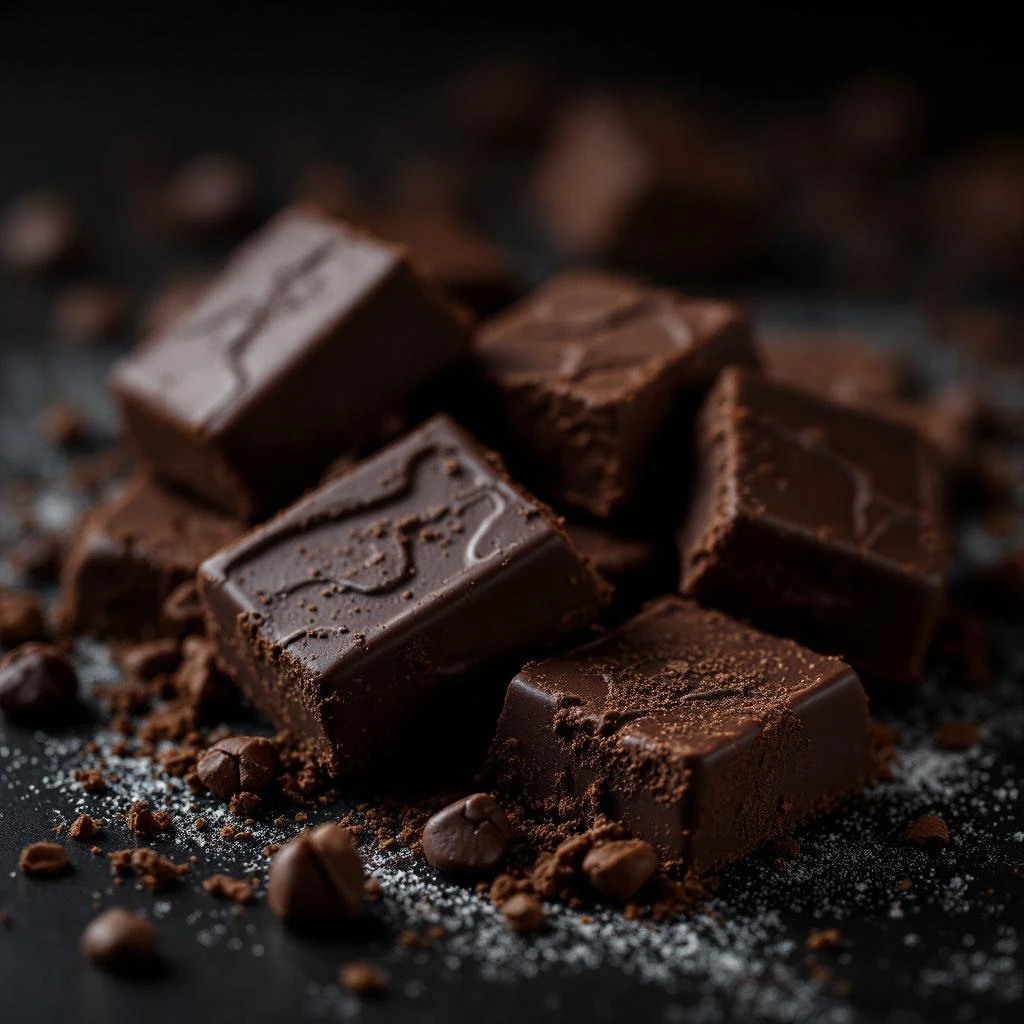
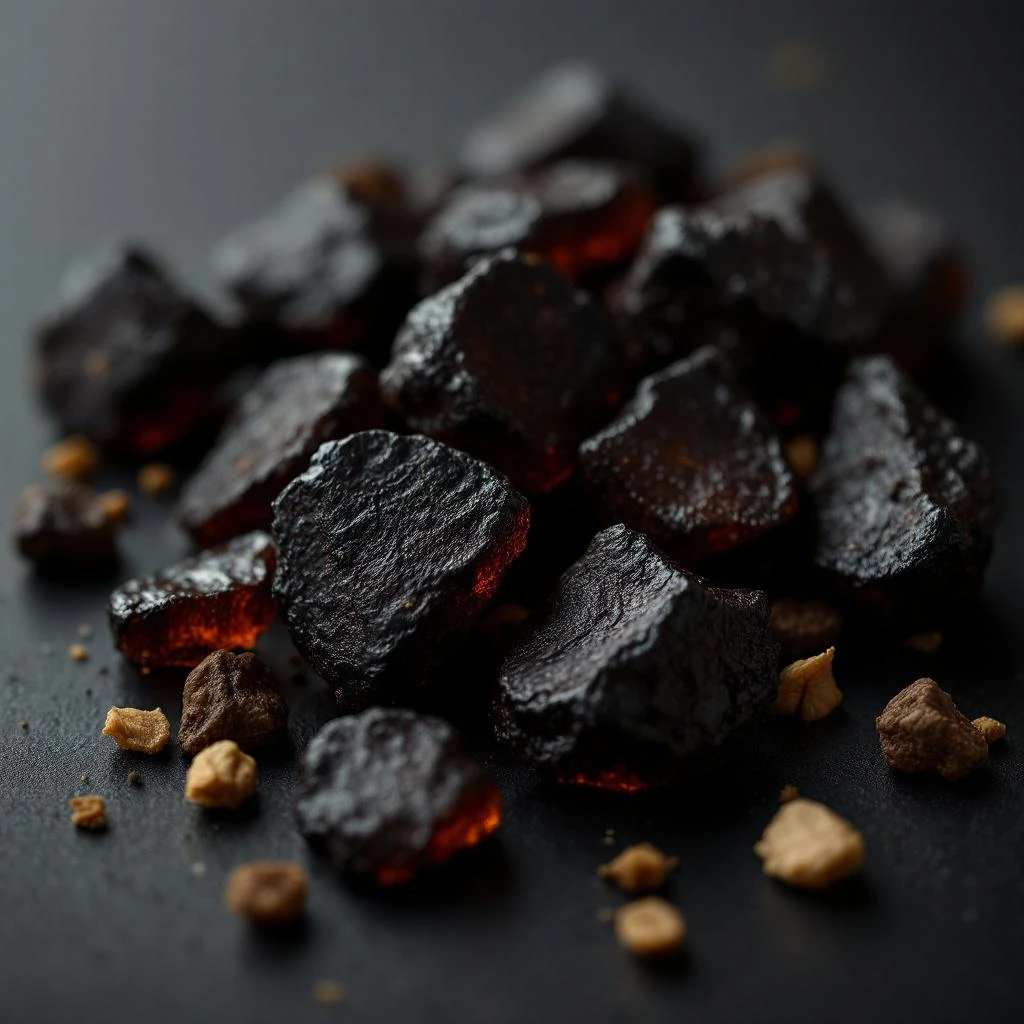
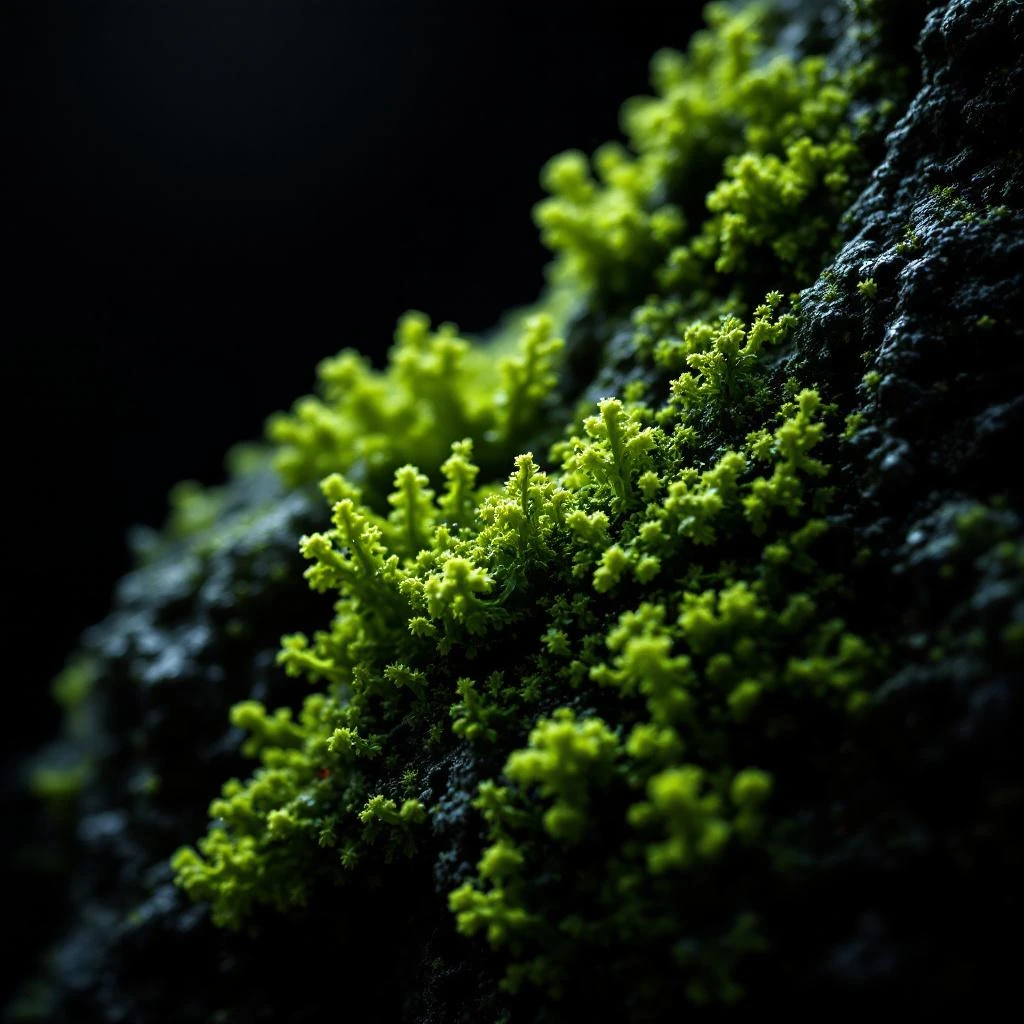
Truffle brings an incomparable depth to fragrance—the aroma of wild earth, dark soil, and a whisper of the forest floor. This underground treasure has captivated perfumers and chefs alike for centuries, offering a singular sensory experience that few ingredients can match.
Character
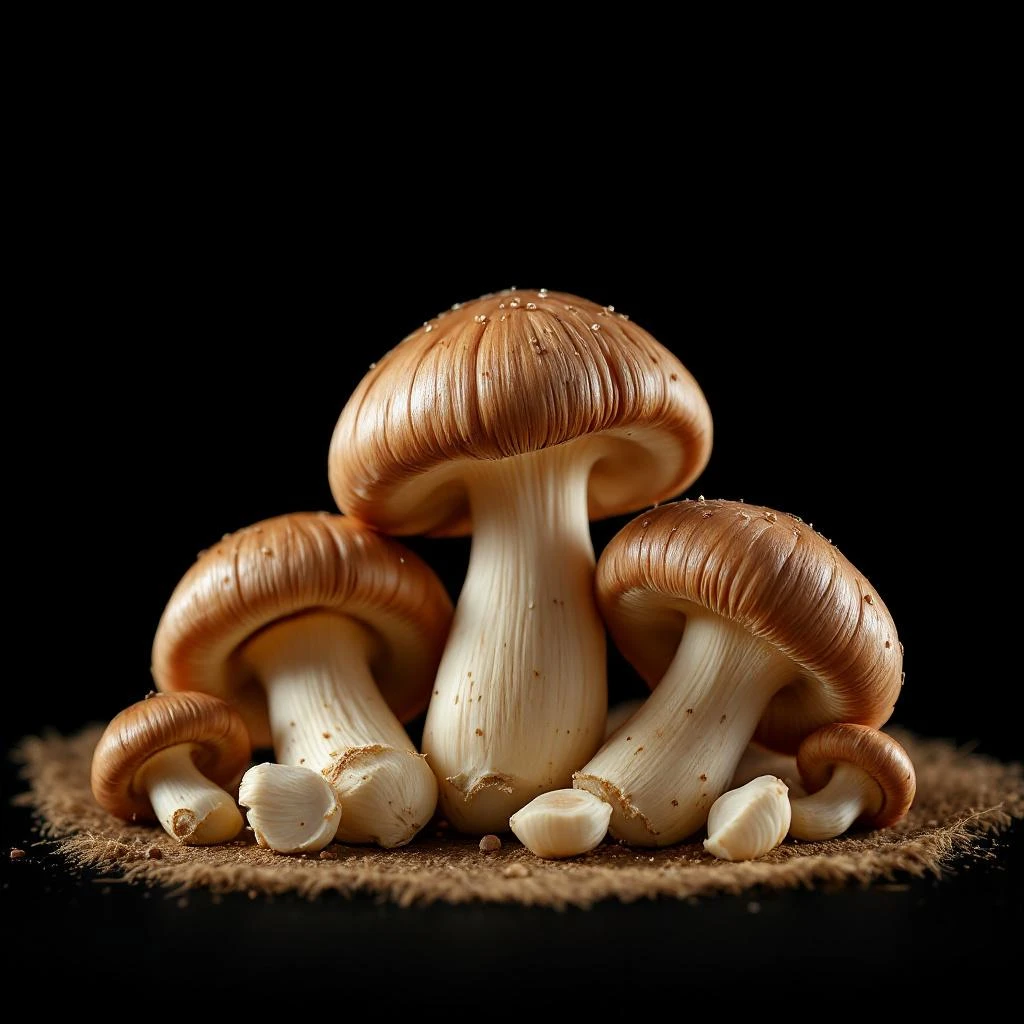
How it smells
The buried treasure of perfumery.
Dogs and pigs have traditionally hunted truffles because the fungi emit the same volatile compounds as the sex hormones of male pigs—a fact that made boar hunting centuries-old tradition.






Origin
Italy
Truffle has fascinated humanity since antiquity. Ancient Romans classified truffles among the most precious delicacies, with Emperor Nero reportedly serving them at imperial feasts. Medieval Europeans considered truffles demonic or gifts from fallen angels, yet paradoxically prized them as aphrodisiacs and medicinal treasures.
The Renaissance brought renewed culinary appreciation, particularly in Italy where Alba's white truffles became legendary. Perfumery's use of truffle emerged later, with early 20th-century perfumers experimenting with earthy, mushroomy accords. The ingredient gained prominence through the 1980s and 1990s when avant-garde perfumers sought novel olfactory territories beyond traditional florals.
Today truffle appears in prestigious compositions as both a literal note and an interpretive concept, representing the perfumer's quest for depth and mystery. Its cultural significance spans haute cuisine and fine fragrance, making it one of the rare ingredients to command equal reverence in both worlds.
Wears it best
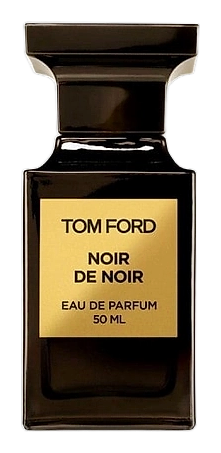
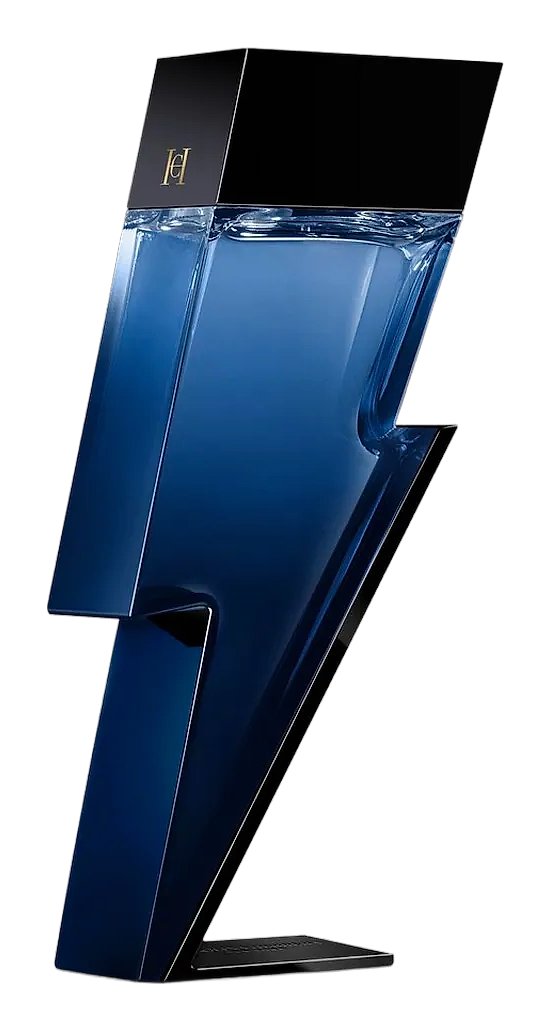
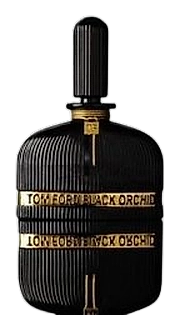
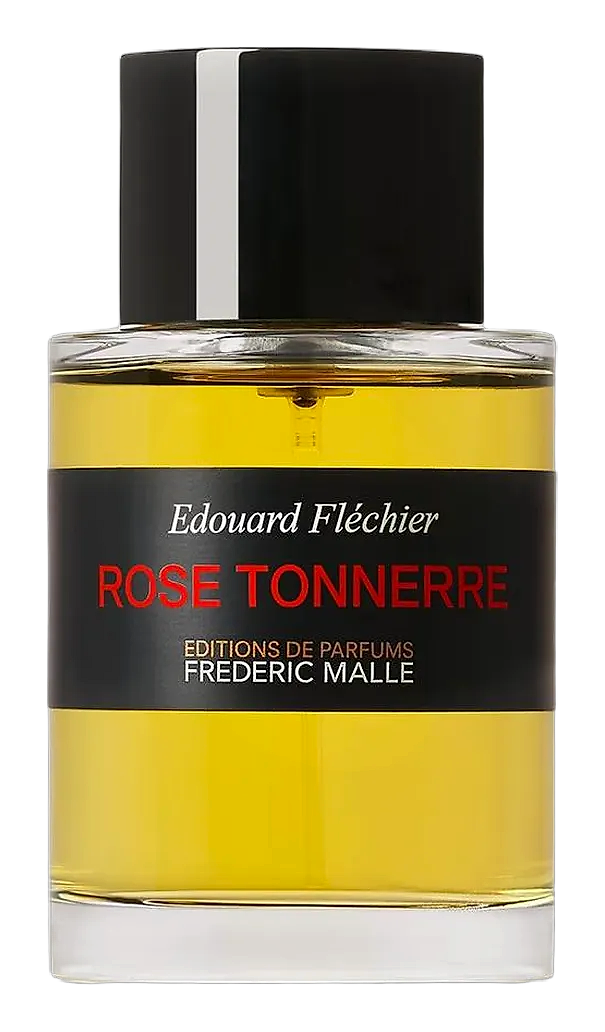
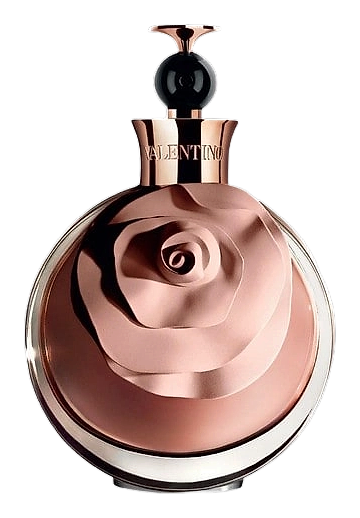
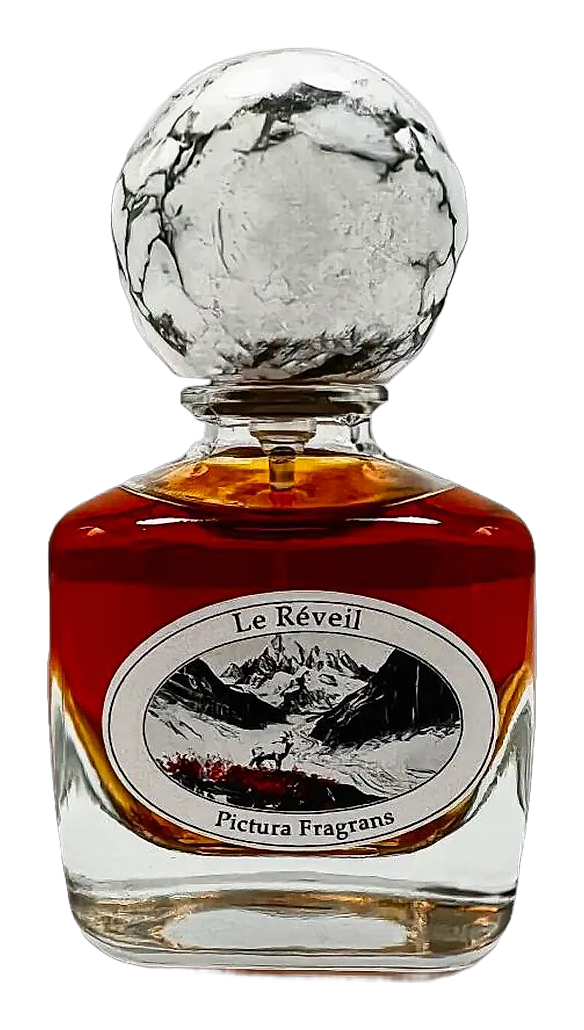
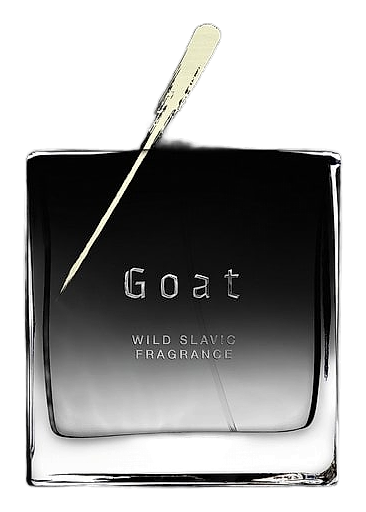
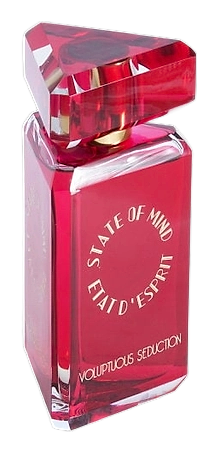
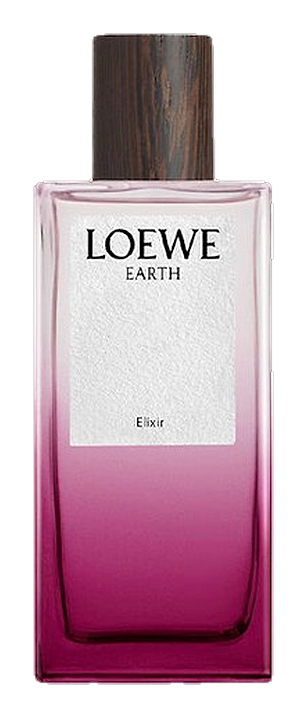
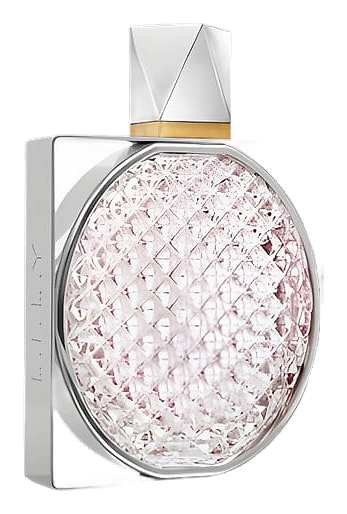
Fragrances featuring Truffle

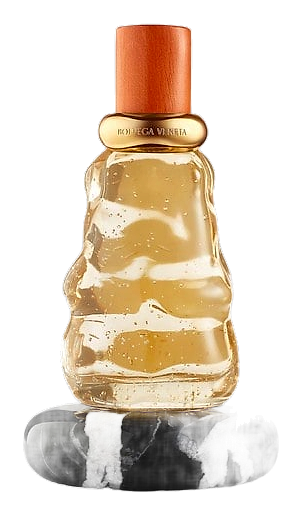
Brands
Brands known for Truffle
Good to know
Questions, answered
The essentials on Truffle in perfumery: how it smells, where it comes from, and how it behaves on skin.
What does truffle smell like in perfume?
Truffle in perfume evokes deep earthiness, dark mushroom notes, and a musky dampness reminiscent of forest floors after rain. The aroma includes subtle sulfurous undertones and animalic warmth that adds remarkable depth to fragrance compositions.
Is truffle in perfume natural or synthetic?
Both natural and synthetic truffle ingredients exist. True truffle absolute is extremely rare and expensive due to the fungi's short shelf life. Most truffle-scented ingredients today are created through headspace technology or carefully formulated synthetic accords that capture the complex aroma profile.
What fragrance families commonly use truffle?
Truffle appears primarily in oriental and woody fragrance families where its earthiness complements resins, woods, and spices. Chypre and leather fragrances also incorporate truffle for added depth and animalic richness.
Which famous perfumes feature truffle?
Several niche and luxury fragrances feature truffle prominently, including Amouage's Opus collection and various interpretations from houses like Byredo and Serge Lutens. The ingredient typically appears in premium, complex compositions.
Why is truffle so expensive in perfumery?
Fresh truffles deteriorate rapidly once excavated, requiring immediate processing. The short harvest season, labor-intensive collection with trained dogs or pigs, and the low yield of extractable material all contribute to truffle's premium positioning in the fragrance industry.
Can truffle notes be detected on skin?
Truffle notes tend to evolve slowly on skin, revealing their full complexity over several hours. The earthy, mushroomy character often emerges as top notes fade, adding a deep, grounded quality to the dry-down phase of a fragrance.
What other ingredients pair well with truffle in perfumery?
Truffle harmonizes with dark woods like oud and sandalwood, warm resins including benzoin and labdanum, animalic notes such as civet and musk, and earthy materials like vetiver and patchouli.
How does white truffle differ from black truffle in fragrance?
White truffle offers sharper, more delicate garlic-like and floral nuances, while black truffle provides deeper, earthier, more fermented characteristics. Perfumers choose between them based on the specific aromatic profile desired in the final composition.