The Story
Why it exists.
The beginning
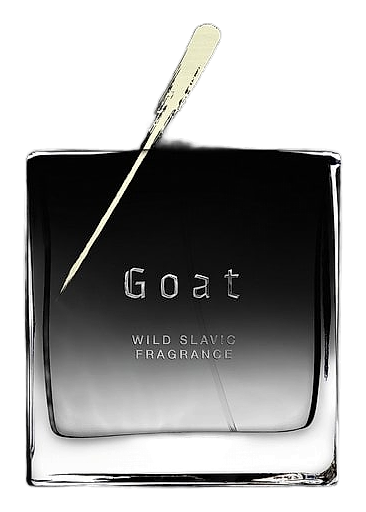
Laurent Marrone built Goat around a single idea: express the wild side of an animal. The goat's milk, osmanthus, and truffle bring the wild nature where the animal lives. Costus, leather, and oud bring the dirty, beastly, aggressive side of the animal itself. That's the tension at the center of this fragrance. It's not trying to be pleasant. It's trying to be true. The osmanthus lends a delicate floral sweetness that initially softens the composition, while the truffle adds an earthy, almost mysterious depth that grounds the more ethereal notes. Goat milk contributes a creamy tartness that bridges the gap between the pastoral and the primal.
The unusual part: this composition refuses to pick a lane. Creamy-fruity opening meets animalic-leathery drydown, two different fragrances that happen to share a bottle. Osmanthus gives a peachy, almost fermented fruit quality; goat milk isn't sweet milk, it's tart and animalic on its own. Mushroom and truffle add forest-floor depth that most fruity openings lack entirely. Then the heart shifts: woody notes and cumin introduce warmth and spice, but the animalic layer beneath grows stronger as the florals fade. By the time costus and leather arrive, the facade is gone.
The evolution
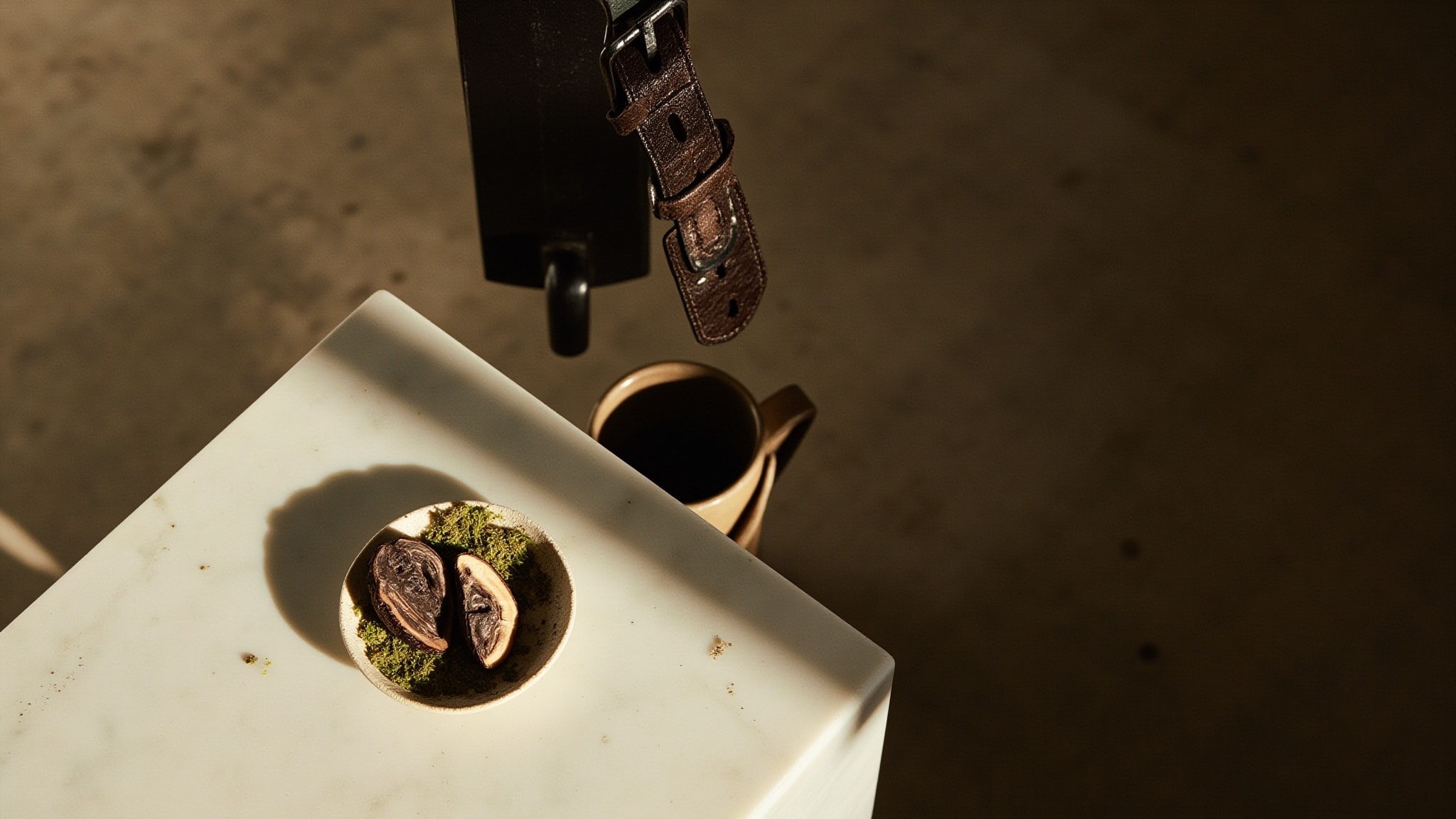
The opening hits osmanthus first, a fruity, peachy sweetness softened by the tartness of goat milk. Violet leaf adds a green, slightly bitter edge. Underneath, mushroom and truffle ground the sweetness in something earthier, almost savory. As the fruity creaminess starts to recede, it is replaced by a growing animalic presence. Costus and leather push forward as the florals fade. The oud stays in the background, adding depth without sweetness. By the time costus takes over, the fragrance has become something wilder. The drydown is costus and leather, the two materials that define this fragrance. Vetiver and moss add an earthy, slightly smoky quality that lingers. The fur note stays longest, clinging to skin like animal hair. Longevity reaches eight to ten hours on most skin types, with moderate sillage that announces itself in close quarters rather than filling a room.
Cultural impact
Goat arrived as part of a movement among niche houses to revive animalic perfumery without apology. Where most modern fragrances soften or sanitize challenging notes, Wolf Brothers leaned into discomfort, making costus and leather the defining features rather than background players. The fragrance challenges conventional expectations about what a scent should be, pushing boundaries while maintaining a coherent artistic vision. By foregrounding materials that many houses would use only as accents, Goat demonstrates a commitment to bold, uncompromising olfactive statements.