Goat milk
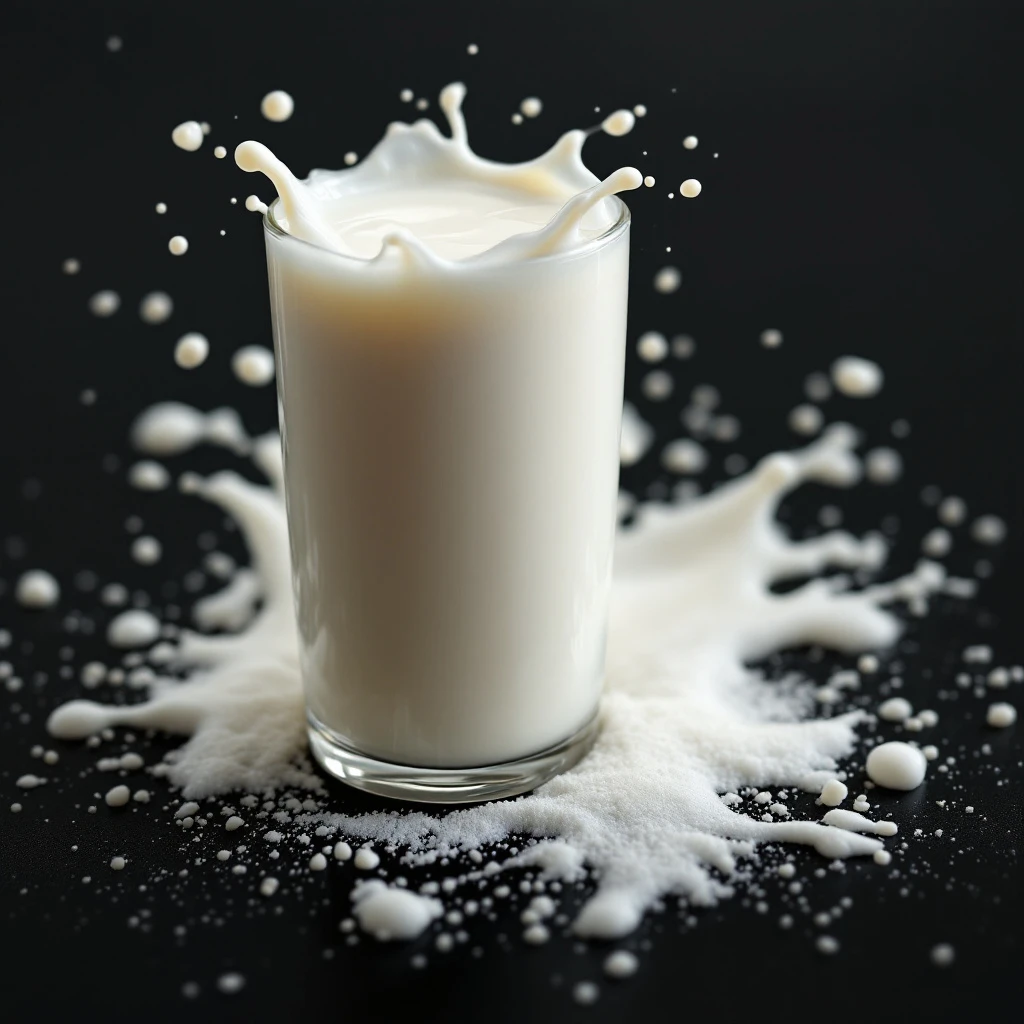
Goat milk brings a distinctive creamy, lactonic warmth to perfumery, lending fragrances a soft, skin-like quality that feels intimate and grounding. Its use in fine fragrance is rare and intentional, adding depth that evokes comfort and sensuality in unexpected ways.
Character
How it smells
A rare lactonic note that whispers of skin and warmth.
Goat milk contains natural lactones that create its characteristic creamy, almost coconut-like aroma once processed for perfumery use.






Origin
France
Goat milk has ancient roots in skincare and ritual, valued across Mediterranean and Middle Eastern cultures for its nourishing properties long before perfumers discovered its aromatic potential. Cleopatra reportedly bathed in goat milk to maintain her legendary complexion, a practice echoed by Cleopatra's successors and Roman nobility. The shift from cosmetic to perfumery ingredient occurred gradually as artisanal perfumers in the late 20th century sought unconventional base notes that could evoke skin proximity and comfort.
Niche fragrance houses began incorporating goat milk extracts during the 1990s as part of a broader movement toward unusual animalic and lactonic materials. Today it remains an uncommon choice, reserved for fragrances that aim to capture intimate, skin-close warmth rather than prominent scent statements.
Wears it best
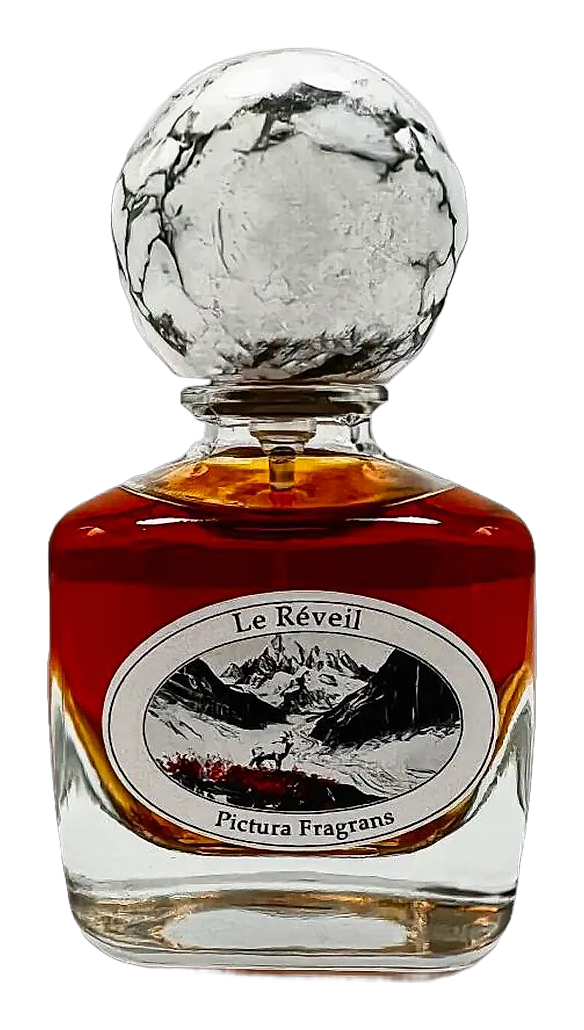
Fragrances featuring Goat milk
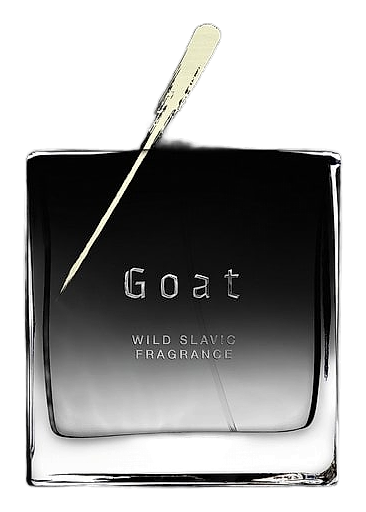
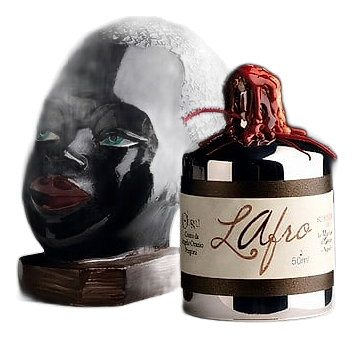
Brands
Brands known for Goat milk
Good to know
Questions, answered
The essentials on Goat milk in perfumery: how it smells, where it comes from, and how it behaves on skin.
What does goat milk smell like in perfume?
Goat milk brings a creamy, lactonic quality reminiscent of warm skin and sweet cream. It adds soft roundness rather than standing out as a primary note.
Is goat milk a natural perfume ingredient?
Yes, goat milk absolute or extract is a natural material derived through solvent or CO2 extraction of fresh goat milk.
Which fragrances feature goat milk as a note?
Goat milk appears in niche fragrances like L'Artisan Parfumeur's Mure et Musc and selected indie perfumers. Check current scent listings for up-to-date availability.
Does goat milk cause skin sensitivity in perfumes?
Goat milk is generally well-tolerated, though those with dairy sensitivities should exercise caution. Modern extraction removes most milk proteins.
Why is goat milk rare in perfumery?
Production is labor-intensive and yield is low. The delicate aromatic compounds require careful extraction, making it economically impractical for mass-market fragrances.
What fragrance families pair well with goat milk?
Goat milk complements lactonic florals, skin musks, and warm oriental compositions. It softens edges and adds creamy depth to otherwise sharp accords.
Can synthetic alternatives replace goat milk?
Isolated lactones like gamma-decalactone can mimic certain aspects, but natural goat milk extract offers a complex, irreplaceable warmth.
What is the shelf life of goat milk perfume ingredients?
Properly stored extracts maintain quality for 2-3 years. The fatty components can oxidize over time, affecting scent character.