The Story
Why it exists.
The beginning
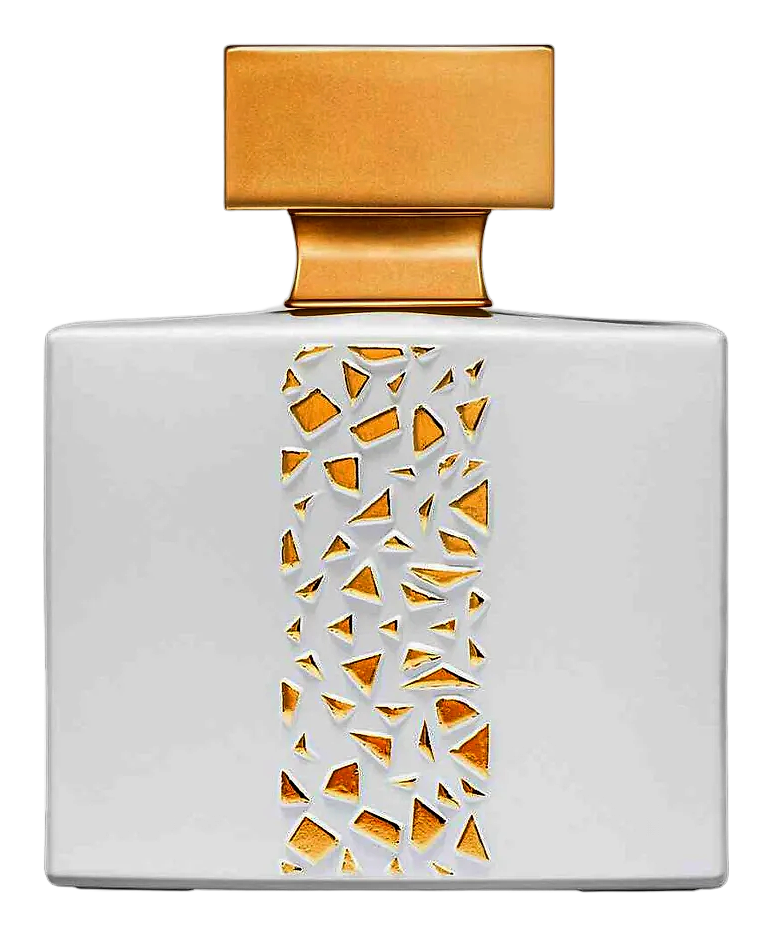
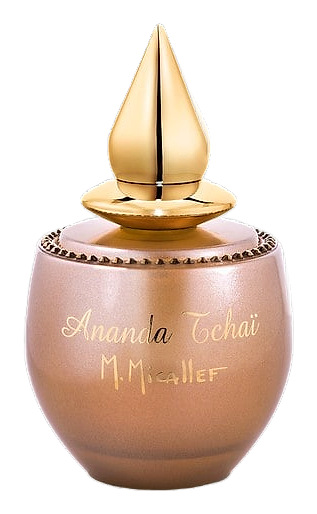
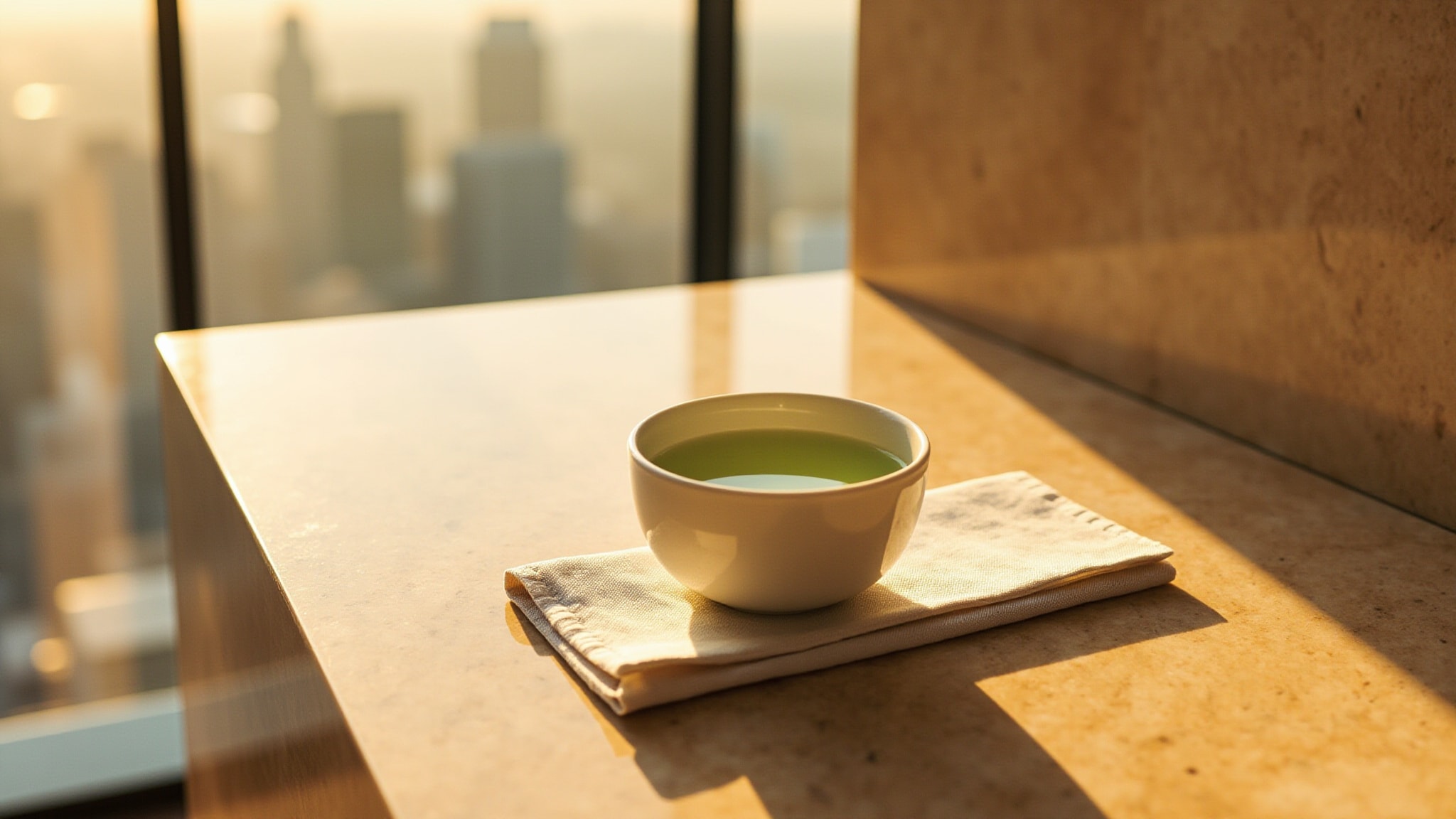
Ananda Tchai arrives in 2017 from a house known for visual spectacle. The name pulls from the Hindi word for bliss, a quiet aspiration for a fragrance that refuses to shout. Perfumers Jean-Claude Astier and Geoffrey Nejman built this one around a single unusual ingredient: green tea. Not the tea note as metaphor, but tea as the structural spine of the composition. Everything else, the citrus opening, the spice heart, the powdery amber drydown, exists to support that central accord. It's a fragrance about restraint wearing a M. Micallef bottle.
What makes Ananda Tchai structurally unusual is how it refuses the house's usual playbook. Where most M. Micallef releases lean into oud, rose, or heady florals, this one centers an ingredient more associated with wellness and afternoon rituals than with niche perfumery. The fougère structure, fern, heliotrope, thyme, gives it an aromatic backbone that lifts the green tea without overwhelming it. Nutmeg and ylang-ylang provide warmth without tipping into sweetness. The result is a fragrance that smells like it belongs to a different house entirely, one that makes scents for people who actually drink tea.
The evolution
The opening hits clean, lemon and bergamot, the kind of citrus that tastes like it was just cut. Within ten minutes the green tea arrives and softens everything, adding a slightly bitter herbal edge that keeps the sweetness honest. The heart phase is where Ananda Tchai earns its name: nutmeg and thyme, a faint rose, the heliotrope adding that unmistakable powdery warmth that reads as intimate rather than dated. By the third hour the base takes over, amber, cedar, vanilla, white musk. The projection drops to intimate. But it doesn't disappear. On fabric the cedar and vanilla linger into the next morning, still readable, still warm, still carrying that trace of tea somewhere underneath.
Cultural impact
Ananda Tchai arrived in 2017 during the peak of the green tea fragrance trend but distinguished itself through M. Micallef's characteristic warmth and richness. The fragrance reflects a transitional moment when niche perfumery began bridging artisanal tea-inspired compositions with mainstream accessibility. Its powdery heliotrope and amber base connect it to traditional perfumery while the green tea note places it squarely in contemporary preferences. This dual identity gave Ananda Tchai lasting appeal despite the house's more dramatic oud and rose compositions.