The Story
Why it exists.
The beginning
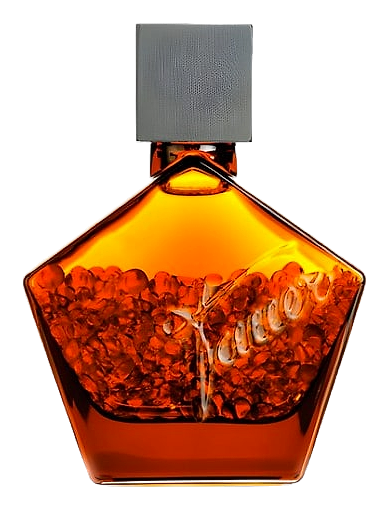
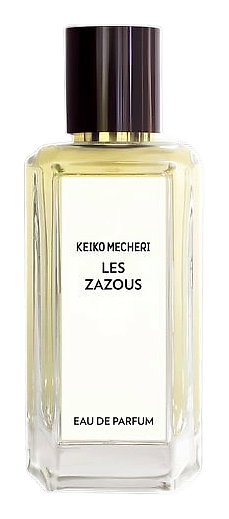
The Zazous were the original rule-breakers, post-war French dandies who wore oversized zoot suits, listened to American jazz in occupied Paris, and refused to dress for anyone but themselves. When Yann Vasnier composed Les Zazous in 2010, the brief was simple: capture their wild elegance. Precious woods and silken florals. A scent that refuses to apologize for taking up space.
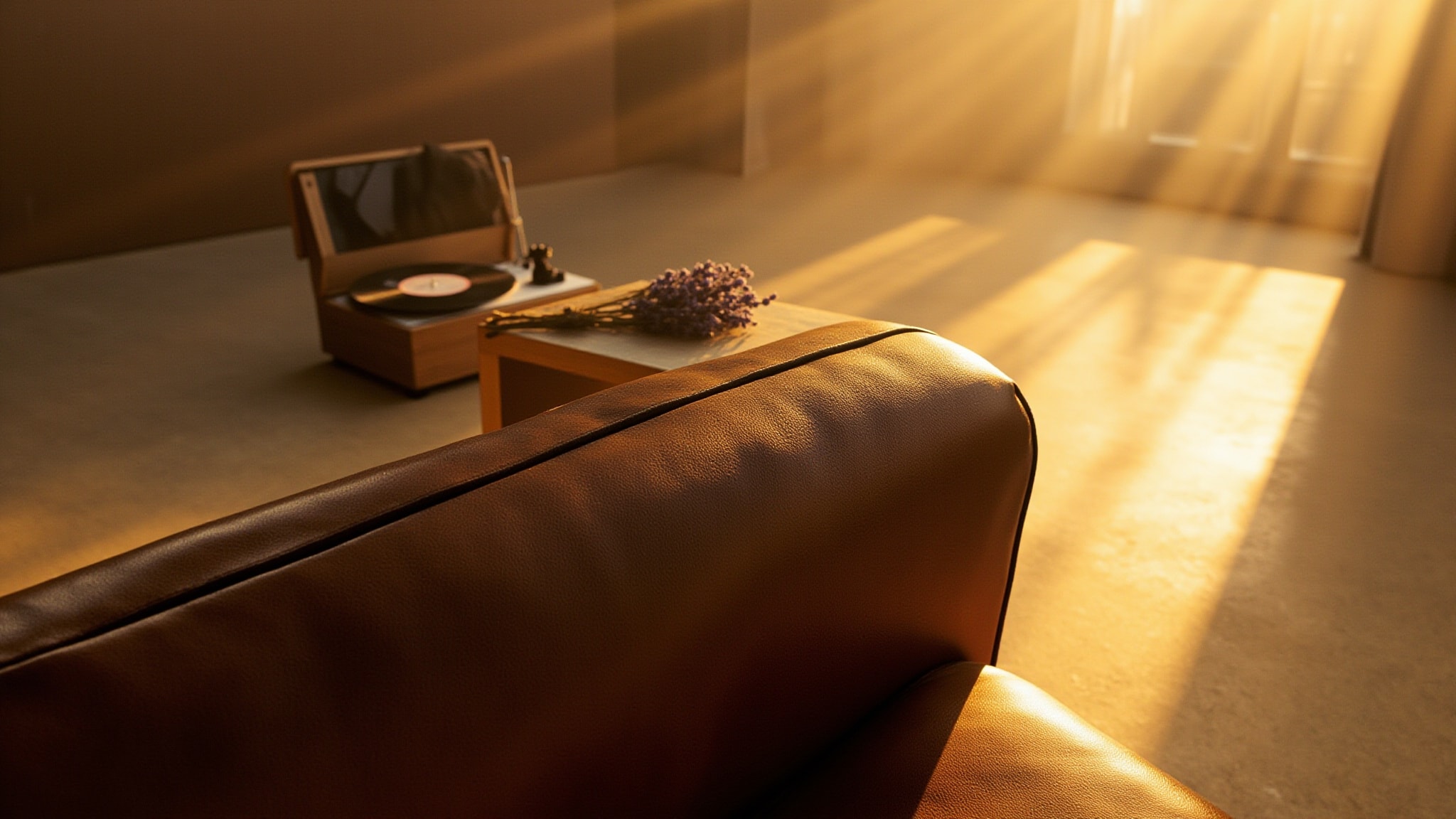
What makes Les Zazous unusual is the lavender. Most perfumers treat it as a workhorse, the cool, fresh opening that signals cleanliness and moves on. Vasnier does the opposite. He treats lavender like a resin, almost an incense. The woods and balsamic notes don't sharpen it or cool it down. They lean into its warmth, its slightly medicinal depth, until the lavender stops being a bridge and becomes the destination. Rose and suede add a soft floral-skin quality that keeps everything human.
The evolution
The opening arrives herbal and slightly camphorated, lavender asserting itself without apology. Within twenty minutes, the green edges soften as amber and rose move in, adding a powdery warmth that feels like cashmere, not soap. The heart holds for two to three hours: suede and sandalwood creating a textured, close-to-skin presence. Peru balsam and vetiver anchor the drydown, which stretches another four to five hours on most skin types, quiet, resinous, slightly sweet. The next morning, there's a faint warmth on fabric. Not loud. Not trying to be.
Cultural impact
Les Zazous occupies an unusual position, a lavender-forward scent that appeals to neither the fresh-aquatic crowd nor the incense devotee. Wearers describe it as the fragrance of someone who walks into a room and doesn't need to announce themselves. It has a dedicated following among collectors who appreciate its restraint and its refusal to shout.