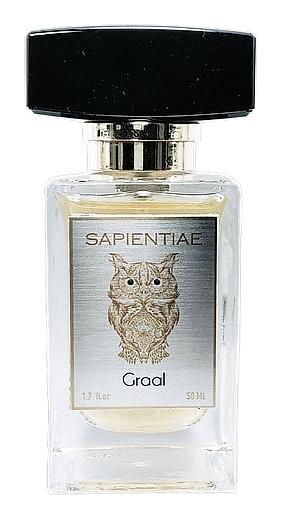

The Story
Why it exists.
The beginning
The name is not incidental. The brand's official description calls it a 'seductive and engaging' oriental woody, a scent that brings an air of mystery rather than an announcement. Vanilla anchors the composition, soft and textured, flanked by agarwood and tobacco as the pillars that hold everything up. The vanilla opens with a creamy, almost edible sweetness that feels warm against the skin, like the lingering scent of a dessert just pulled from the oven. Agarwood brings a resinous depth that can swing from medicinal sharpness to a smooth, almost creamy woodiness depending on the blend. Tobacco rounds the composition with a dry, slightly smoky presence that balances the sweetness without ever becoming sweet itself.
Six notes arrive in quick succession at the opening: rum, bergamot, rosemary, lavender, cloves, and nutmeg. The initial impression is louder and more complex than most niche fragrances of its era. The beeswax in the base is the tell, a waxy presence that reads almost archaic, like the smell of old church candles rather than modern synthetic musks. The Palo Santo in the heart introduces smoke, but it's a meditative smoke, the kind that makes you slow down rather than lean in. Honey serves as the bridge between these two energies, sweetening the herbs without making the fragrance feel soft.
The evolution
The opening announces itself immediately, rum and clove create a sharp, almost medicinal heat. The bergamot cuts through with a brief citrus brightness before the herbs take over. Rosemary and lavender add a camphorated edge that feels almost old-world, the kind of opening that could be an herbal tincture or an incantation being spoken aloud. Ten to fifteen minutes in, the honey arrives. It's not delicate, it's the dark, viscous honey that pools at the bottom of the jar. Palo Santo smoke weaves through, grounding the sweetness with something meditative. This is the heart's offer: a negotiation between warmth and introspection. The drydown takes over around the thirty-minute mark. Tobacco and oud arrive as the dominant players, but the beeswax is what you remember. It adds a waxy, almost animalic warmth that reads as ceremonial, the smell of old wood and sacred objects. Vanilla lingers in the background, preventing the drydown from becoming sharp. The sillage moderates after an hour, settling into something close and personal.
Cultural impact
Graal occupies a specific corner of the niche world, the kind of fragrance that rewards attention rather than broadcast. The mythological naming, the beeswax note, the complex herbal opening: these are details that invite closer inspection. The fragrance brings an air of mystery rather than announcement, a scent that functions as a form of self-identification for those who choose it. Its complex aromatic landscape appeals to wearers who prioritize depth over novelty, who appreciate a fragrance that unfolds differently on each wearing.