The Story
Why it exists.
The beginning
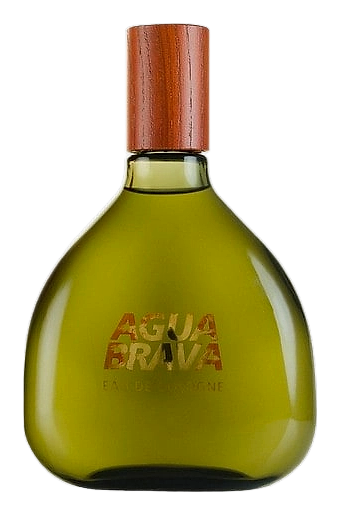
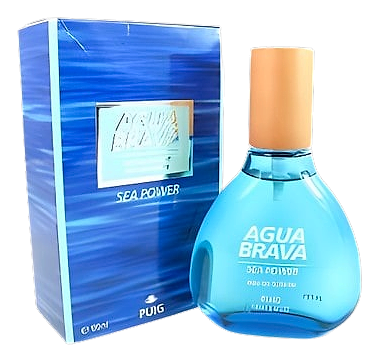
Agua Brava Sea Power arrived in 2001, a modern chapter in a Spanish fragrance lineage that stretches back decades. The Agua Brava name carries weight, it's been Antonio Puig's maritime anchor since 1968. Jacques Polge designed this edition as a counter-argument to the aquatic fragrances flooding the market at the turn of the century. Opening with crisp citrus and green notes, the fragrance moves into a heart of marine accord that feels less like a stereotype and more like an actual seascape. The composition layers in warmth through amber and woods, giving the marine notes a substantial base rather than letting them float away. The name says it all: Sea Power.
What separates this from the 2001 aquatic herd is the structure. The citrus top doesn't just evaporate, it cools, becomes less bright and more bitter, like the rind left behind after you've bitten into grapefruit. The marine heart carries jasmine and rose, which sounds contradictory until you smell it: white florals over salt water reads as mineral, not feminine. It's the olfactory equivalent of flowers growing on a cliff face. The sandalwood and amber base gives it somewhere to land, warmth after all that cold clarity.
The evolution
The opening announces grapefruit and mandarin with real force, this is not a shy beginning. Mandarin softens the edges within minutes, but grapefruit lingers, becoming more bitter than sweet as the marine note takes hold. The handoff matters here: marine arrives not as a replacement but as a deepening, the citrus never fully disappearing but becoming part of something larger. Jasmine and rose emerge in the heart, adding a floral dimension that could read wrong but doesn't, it adds mineral complexity rather than sweetness. Cedar and sandalwood form the drydown, with amber and musk creating warmth that stays close to skin. Hours later, the scent becomes skin-warm rather than skin-present, the mark of a fragrance that understood its own limits.
Cultural impact
Agua Brava Sea Power has aged into something the aquatic landscape of its era couldn't quite produce: a marine fragrance with actual character. It kept its mineral edge while other marine fragrances softened into something forgettable. The fragrance disappeared from counters over time, which only made it more interesting to those who remember. What remains is a scent that feels genuinely connected to the ocean rather than mimicking it.