The Story
Why it exists.
The beginning
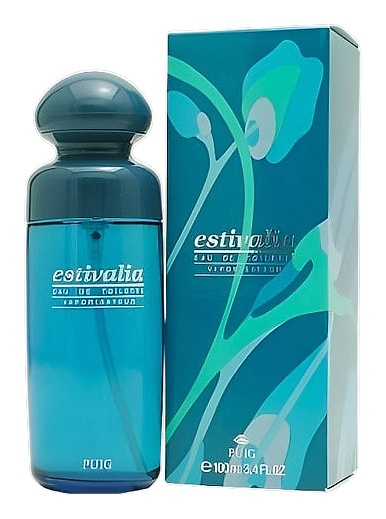
Estivalia arrived in 1973, crafted by Jean-Francois Latty and Rosendo Mateu for Antonio Puig. The name itself is the brief: estival (summery) meets colonia (cologne). A Mediterranean concept, executed with more complexity than the phrase suggests. Rather than the straightforward citrus splash that dominated Spanish toilet waters of the era, Latty and Mateu built around vetiver, an earthy, grounding material uncommon in fresh-florals. Jasmine became the counterweight. Bright, exotic, almost subversive against the cool green notes. The result was a fragrance that smelled like the Spanish coast but felt more layered than the genre usually allowed. Less impulse, more intention.
What makes Estivalia interesting is its structural tension. Fresh-floral compositions typically lean airy, bright tops, ephemeral hearts, minimal base. This one doesn't follow that script. Vetiver is the structural material here, not a footnote. It pulls the composition downward, keeps it grounded, prevents the jasmine from floating off into abstraction. The cyclamen and lily of the valley add a cool, green quality that reads as almost mineral, that sensation of garden air on damp stone rather than sun on petals. It's a 1970s composition in the best sense: confident enough to hold contradictions. Fresh but not simple. Floral but not sweet. Earthy without being heavy.
The evolution
The opening hits bright and immediate, citrus fruits and lemon zest arriving together, that first sharp impression of something fresh. Cyclamen adds a cool, green edge that keeps the citrus from going sharp. Within minutes, the heart arrives: jasmine and lily of the valley, florals that stay cool and dewy rather than powdery. The real character shift happens in the drydown. Vetiver asserts itself, pulling the composition downward into something earthier than most fresh-florals allow. Sandalwood and musk follow, wrapping the jasmine in warmth without letting it dissolve entirely. The fragrance lasts most of a workday on most skin types, holding moderate sillage throughout. Close, not projecting. The kind of longevity that rewards proximity.
Cultural impact
Estivalia sits within a specific lineage: the Spanish aromatic waters tradition that includes Agua Lavanda and similar compositions. Where those references stayed simple and soapy, Estivalia pushed further, more layered, more interesting. Its discontinuation means it exists now primarily in vintage markets, which has given it a small cult following among collectors who seek out 1970s Mediterranean florals. The fragrance's fresh-floral structure makes it approachable for newcomers to vintage scents while its vetiver-forward drydown offers enough complexity to reward deeper exploration.