
Heritage
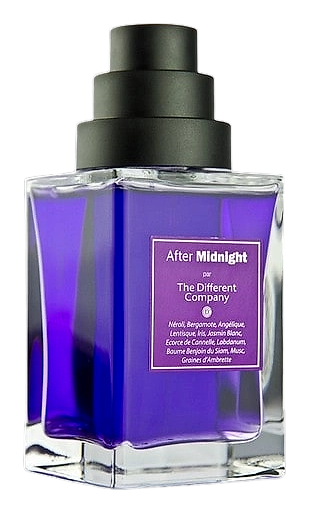
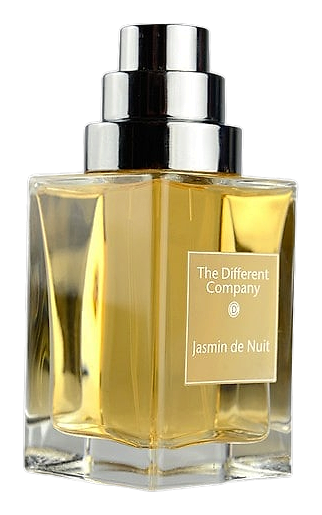
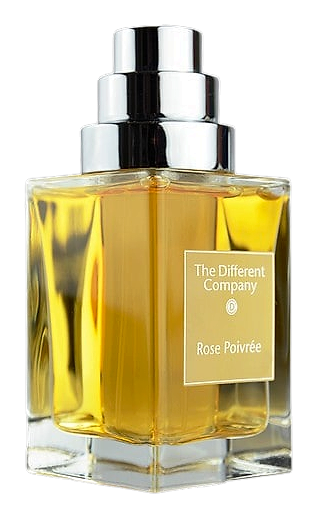
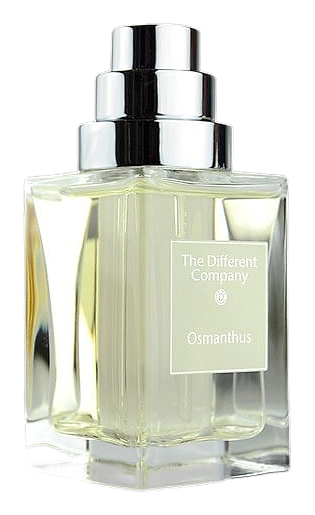
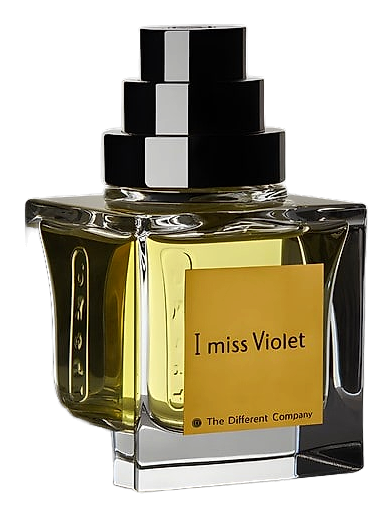
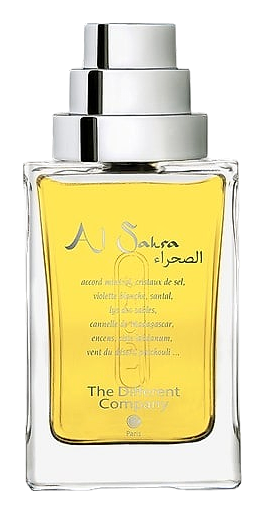
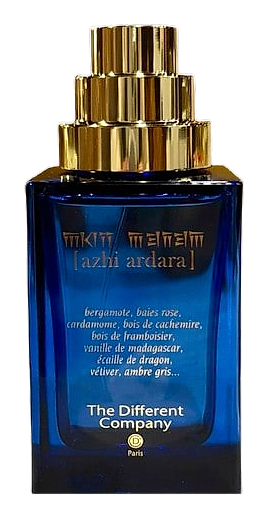
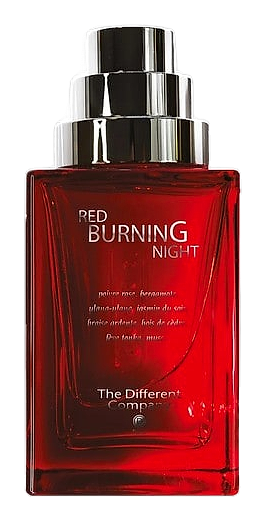
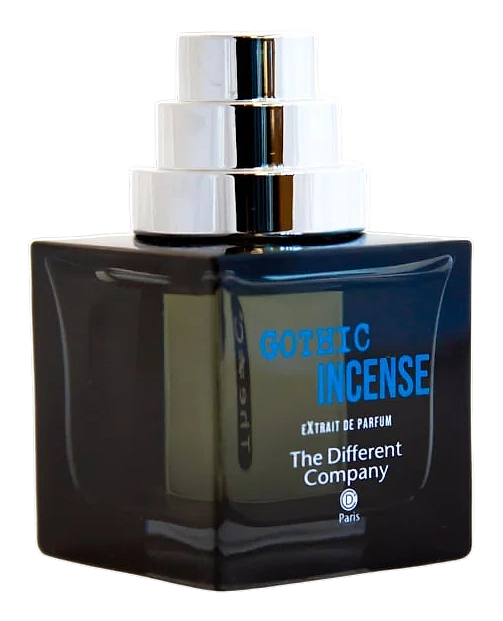
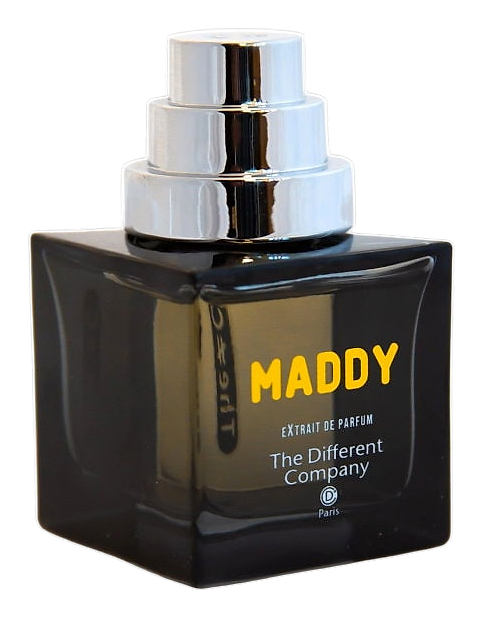
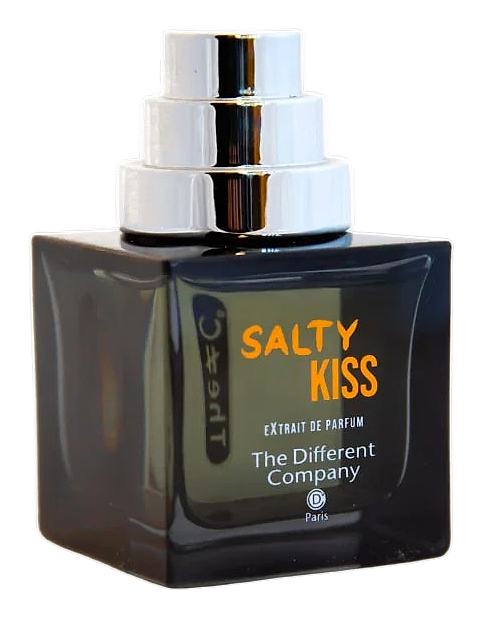
A house, in its own words
The Different Company emerged in 2000 when perfumer Jean-Claude Ellena and designer Thierry de Baschmakoff identified a gap in the luxury perfume market. True fragrance lovers often found themselves underserved by mass-market offerings that prioritized broad appeal over creative vision. The two founders shared a belief that perfume should express singular identity rather than follow convention. Their partnership combined Ellena's mastery of rare raw materials with Baschmakoff's innovative bottle design to create a house built on difference. Luc Gabriel joined as director, helping shape the brand's trajectory as it quickly became recognized as a pioneer in contemporary niche perfumery. The founding philosophy centered on offering something genuinely alternative, using exceptional natural ingredients in refillable bottles designed to last. Céline Ellena, Jean-Claude's daughter, assumed creative direction in 2005, continuing the family's commitment to inventive olfaction while expanding the house's vocabulary with her own distinctly modern sensibility. Perfumers including Emilie Coppermann later contributed their talents, adding further depth to the collection. Today, The Different Company remains guided by its original mission: creating fragrances that break rules with elegance, for those who choose to be different. The Different Company believes that difference is the ultimate luxury. In a market saturated with derivative fragrances designed to appeal to the widest possible audience, the house takes the opposite approach. Each creation makes a deliberate choice about what it is and what it refuses to be. The philosophy rests on three pillars: audacity in concept, excellence in execution, and poetry in character. Every fragrance emerges from a perfumer's singular imagination rather than from trend forecasting or market research. The house deliberately cultivates olfactory alternatives rather than following established formulas. Wearing a The Different Company fragrance means embracing singularity, assuming one's own choices, and rejecting the ordinary. The name itself reflects this commitment, pointing to the essential difference that distinguishes the house from its peers.