
The Story
Why it exists.
The beginning
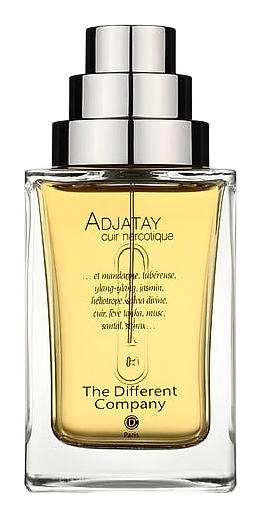
Alexandra Monet built Adjatay around a single provocative idea: what happens when tuberose refuses to be tamed? The name itself, Adjatay, echoes the Turkic word for a guardian spirit, something watchful and unresolved. The 2016 launch marked Monet's first work for The Different Company, a house known for commissioning perfumers who bring singular vision over commercial instinct. Here, that intent shows: leather and tuberose should collide, and they do.
The castoreum isn't performing, it's grounding. The tonka and styrax do the heavy lifting in the base, creating warmth that doesn't beg for attention. What makes this work is the deliberate imbalance: the white florals shout while the leather whispers underneath. Most fragrances with this much floral would go full garden party. This one keeps its boots on.
The evolution
The ylang-ylang arrives first, tropical, almost sweet, but with the mandarin's bitter edge keeping it honest. Ten minutes in, the tuberose takes the stage. Creamy. Indolic. A little dizzying. The heliotrope smooths the ride while jasmine stays green underneath, keeping the florals from going full saccharine. By the second hour, the leather has built its foundation. Castoreum anchors everything, animalic, warm, real. The tonka bean begins its slow sweet murmur. The drydown settles into musk and sandalwood, creamy and close, with styrax adding that smoky balsamic finish. On skin, expect eight to ten hours. On fabric, it lingers until the next wash. This is a fragrance that knows when to stop talking.
Cultural impact
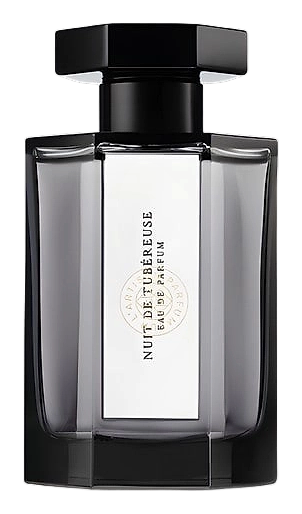
Adjatay sits in The Different Company's Exclusifs collection, a line designed for those who seek fragrance as art rather than accessory. The castoreum-animalic signature separates it from safer niche offerings, positioning it for wearers who want their scent to announce something specific about their taste. Among its peers, Nuit de Tubéreuse, Cuir Venenum, Tyger Tyger, it holds its own as one of the more confrontational floral-leather compositions in the post-2010 niche landscape.